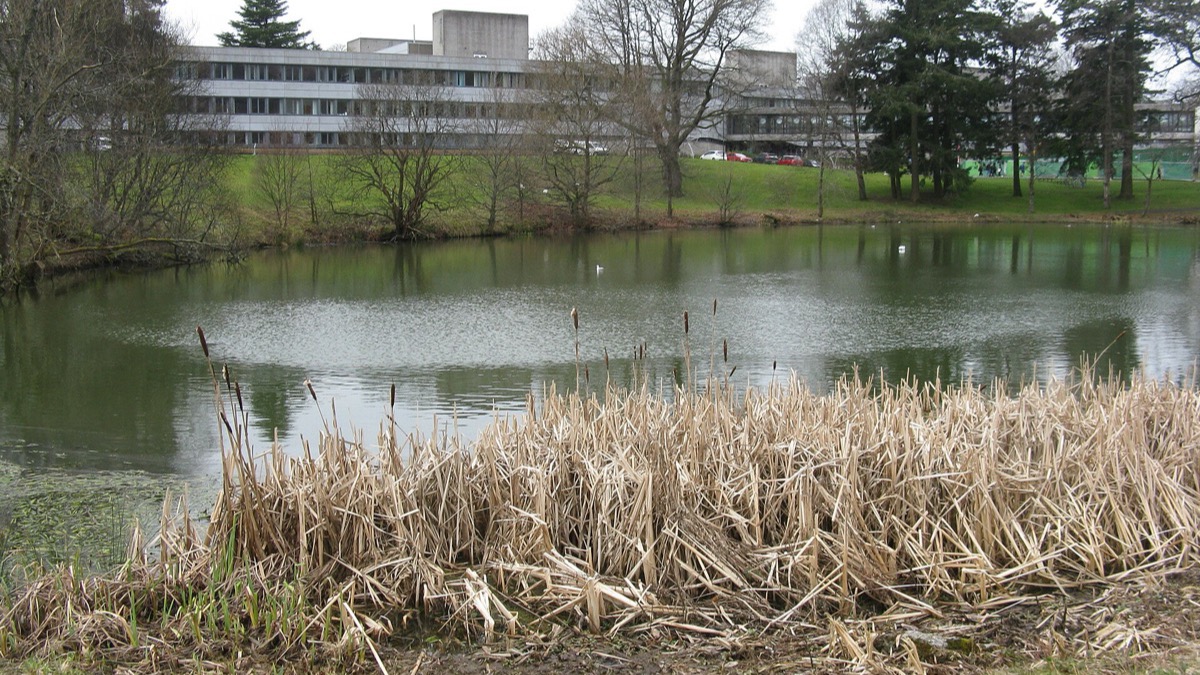
BAcc Accountancy and Economics
About this course
Accountancy and economics address complementary aspects of how organisations and economies manage resources and create value. Accountancy is concerned with measuring, recording and communicating financial information, and with the frameworks of governance and professional practice that ensure that information is reliable and useful. Economics analyses how markets, institutions and policy choices shape the allocation of resources and the distribution of wellbeing across society. Together they produce graduates with both the technical precision of an accountant and the analytical breadth of an economist, a combination that opens doors across professional services, business and the public sector. At the University of Stirling you will study this joint degree over four years, reflecting the depth of the Scottish Honours programme. You will cover the core areas of financial and management accounting alongside the analytical frameworks of micro and macroeconomics, developing both quantitative and theoretical competence across the two disciplines. The programme includes a year abroad, giving you experience of different economic systems, business environments and educational traditions that deepen your analytical perspective. You will develop skills in financial analysis, economic modelling, report writing and the critical evaluation of complex information. Graduates of accountancy and economics are particularly well placed for careers in professional accountancy, where many go on to study for qualifications with bodies such as the ICAEW, ACCA or CIMA, as well as in banking, financial services, actuarial work, management consultancy, economic analysis, and public finance. The ability to move between accounting precision and economic reasoning is valued in any organisation that needs to understand both the numbers and the broader forces shaping them. Postgraduate study in accounting, economics, finance or public policy is a further route, and many graduates use their undergraduate qualification as a platform for academic or research careers in the social sciences.
Syllabus & Modules
Typical curriculumStudent Satisfaction
National Student Survey - 35 respondents (94% response rate)
Similarly Ranked Alternatives

What comes next? 🎓
Choosing the right university starts with choosing the right school. Explore transparent, data-driven school profiles powered by official DfE statistics.
Explore Schools on WhatSchool.ai →