BA Acting with Diploma in Creative Computing
About this course
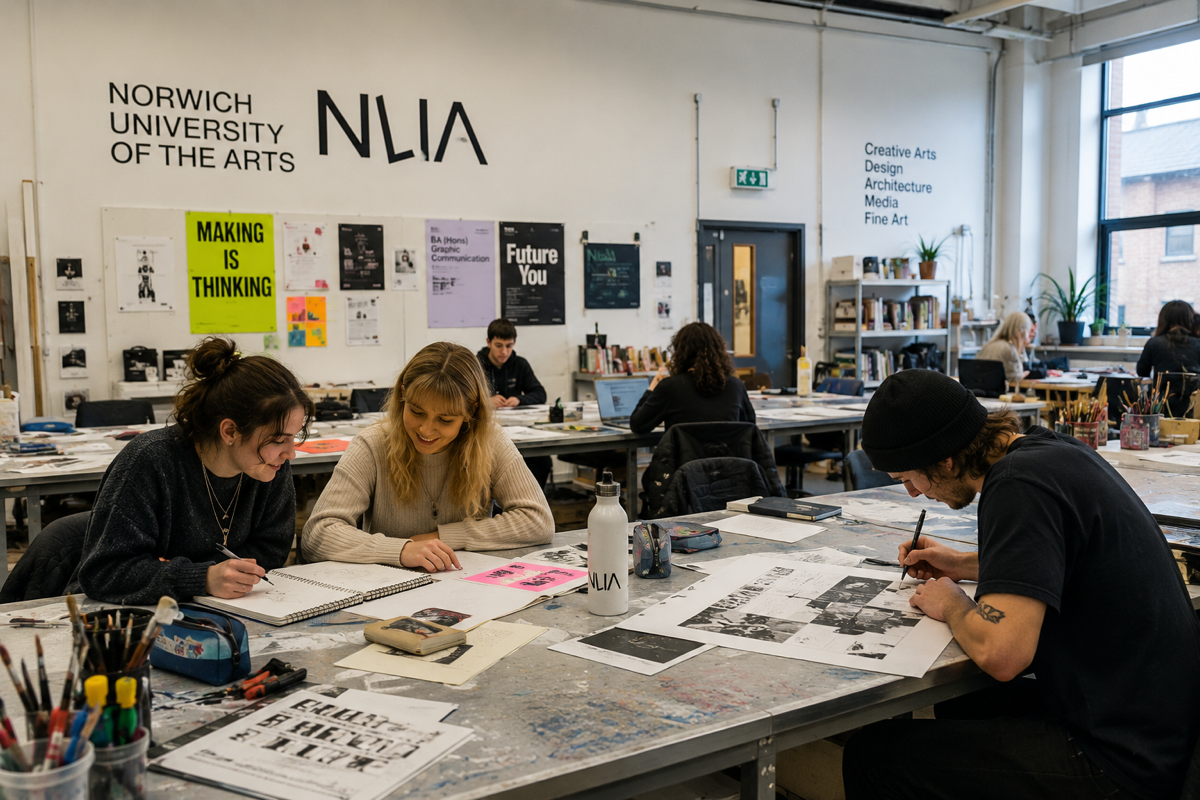
Acting at degree level is not simply about learning to perform. It is a sustained investigation into how human behaviour is understood, interpreted, and communicated. Training in acting develops empathy, precision, physical and vocal awareness, and the ability to analyse text and find truthful responses to complex situations. These are skills grounded in practice but shaped by rigorous intellectual engagement with drama, performance theory, and the craft of storytelling. This four-year full-time programme at Norwich University of the Arts combines actor training with a Diploma in Creative Computing, a combination that reflects the growing intersection between performance and digital technology. You will develop your skills as an actor through practical studio work, working on voice, movement, character, and text, while also building a working knowledge of how computing tools are used in contemporary creative practice. Digital tools now shape how performances are designed, distributed, and experienced, and understanding this landscape makes you more versatile and better equipped for a rapidly changing industry. With a typical tariff of 104 points, the programme attracts students who are motivated by both performance and technological creativity. Norwich University of the Arts is a specialist creative institution, and the environment you study in is one focused entirely on the arts and creative industries. That context shapes the culture of learning: collaboration, experimentation, and the development of a personal artistic voice are central to the experience. The dual qualification you leave with represents both a depth of acting training and a breadth of technical understanding that sets you apart. Graduates from this programme are prepared for careers across the performing arts and creative industries. Stage and screen acting, theatre-making, devised performance, and immersive or digital performance are all possible directions. The creative computing strand also opens routes into digital production, interactive media, game design, and arts technology. Some graduates continue to postgraduate study, and others build portfolio careers that combine performance with technical or creative work in related sectors.
Syllabus & Modules
Typical curriculumStudent Satisfaction
National Student Survey - 20 respondents (87% response rate)
Similarly Ranked Alternatives

What comes next? 🎓
Choosing the right university starts with choosing the right school. Explore transparent, data-driven school profiles powered by official DfE statistics.
Explore Schools on WhatSchool.ai →