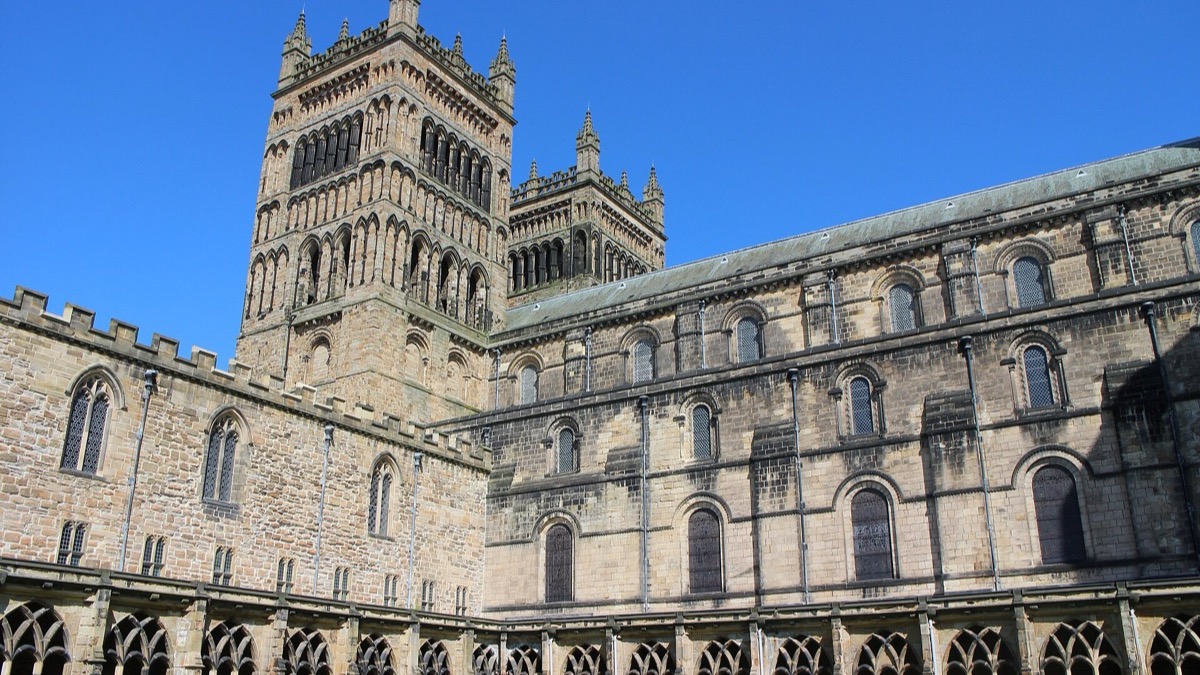
BA Ancient, Medieval and Modern History
About this course
History spanning the ancient, medieval, and modern periods is among the most ambitious of degree combinations, asking you to develop genuine scholarly understanding across more than two and a half millennia of human experience. Each period makes different demands: ancient history draws heavily on archaeology and a limited but rich body of texts; medieval history requires engagement with Latin sources and the distinctive institutions of feudal and ecclesiastical societies; modern history works with a vast abundance of written, visual, and now digital evidence produced by the increasingly complex societies of the past five centuries. Studying across all three trains a range of historical skills and prevents the narrowness that can come from focusing on a single era. At the University of Durham, this three-year programme develops your historical knowledge and research skills across the full chronological range. You will engage with primary sources across all three periods, learning to read and interpret evidence produced in very different circumstances and to situate it within the scholarly debates that surround each era. The programme includes a sandwich year in industry, a year abroad, and work placement opportunities, giving you the chance to develop professional experience and international perspective alongside your academic study. Durham's history department is one of the strongest in the UK, with research strengths that span the ancient world, the Middle Ages, and modern British and global history. History graduates from a programme of this breadth have highly transferable skills in research, analysis, critical reading, and clear writing, and they are valued across many professional fields. Archival and heritage roles, teaching at secondary and higher education level, journalism, policy work, the civil service, law, and consulting are all common destinations. The sandwich year and placements develop professional experience that can open specific career doors. Some graduates continue to postgraduate study in history or in related disciplines, developing specialist expertise for academic or heritage careers.
Syllabus & Modules
Typical curriculumStudent Satisfaction
National Student Survey - 15 respondents (58% response rate)
Similarly Ranked Alternatives



What comes next? 🎓
Choosing the right university starts with choosing the right school. Explore transparent, data-driven school profiles powered by official DfE statistics.
Explore Schools on WhatSchool.ai →