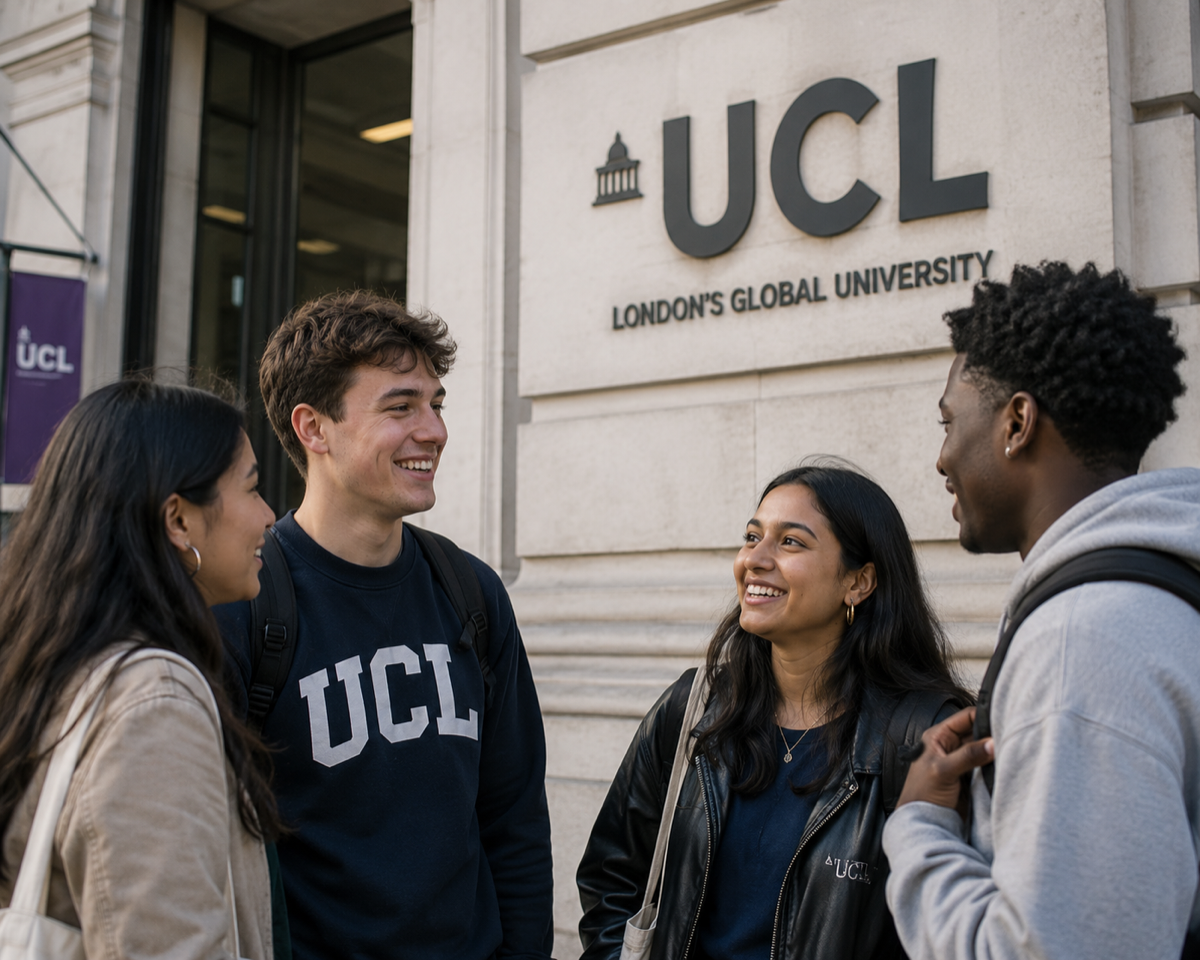
BSc Anthropology
About this course
Anthropology is the science of human diversity, concerned with understanding what it means to be human across the full range of societies, cultures, and historical periods that constitute that diversity. Social and cultural anthropology in particular uses long-term fieldwork and ethnographic methods to understand how people in different communities organise their social lives, make meaning, practise religion, conduct politics, and relate to the natural world. It requires intellectual openness, the ability to suspend your own cultural assumptions, and a commitment to understanding others on their own terms. At University College London, which has one of the world's leading anthropology departments with extraordinary breadth and depth of expertise, this three-year full-time degree develops both your theoretical grounding in the discipline and your methodological competence. You will engage with the major traditions of anthropological thought, from the functionalism of Malinowski and Radcliffe-Brown to contemporary debates about ontology, ecology, and the anthropology of science and technology. You will study ethnographic method and have the opportunity to pursue substantive topics across a range of geographical and thematic areas. The typical entry tariff of 152 points reflects UCL's competitive admissions and the intellectual demands of the programme. Anthropology graduates from UCL are highly regarded across a wide range of fields. The skills the degree develops, careful observation, cultural humility, the ability to understand complex social situations, and clear analytical writing, are valued in international development, public health, consulting, technology companies, human rights organisations, journalism, and the arts. Many graduates go on to postgraduate study in anthropology, development studies, global health, or social research. The UCL name and the depth of the intellectual training make this one of the strongest anthropology degrees available in the UK.
Syllabus & Modules
Typical curriculumStudent Satisfaction
National Student Survey - 35 respondents (67% response rate)
Similarly Ranked Alternatives

What comes next? 🎓
Choosing the right university starts with choosing the right school. Explore transparent, data-driven school profiles powered by official DfE statistics.
Explore Schools on WhatSchool.ai →