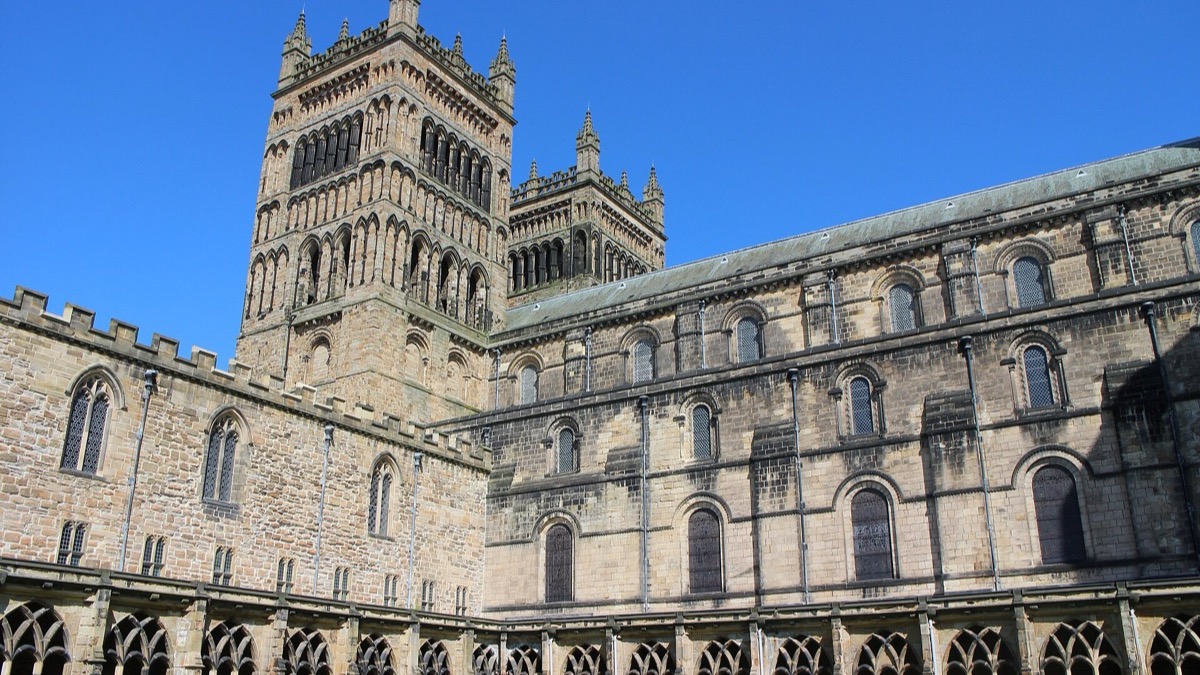
BSc Anthropology
About this course
Anthropology is the study of what it means to be human, approached through the full diversity of human societies and cultures, past and present, across every part of the world. Social and cultural anthropology in particular asks how different people organise their social lives, their economies, their religious and symbolic worlds, and their relations with one another and with the natural environment. It is a discipline built on close observation and sustained engagement with people whose ways of life may differ radically from the anthropologist's own, and it demands both intellectual humility and rigorous analytical thinking. At the University of Durham, this three-year full-time programme includes a foundation year, a sandwich year, a year abroad, and a work placement, creating one of the most immersive and internationally oriented anthropology degrees available in the UK. The foundation year provides structured preparation for degree-level study. The sandwich year gives you extended experience in a professional or research context where anthropological skills are applied. The year abroad opens the opportunity to study in another country, which is particularly meaningful in a discipline whose central method is engagement with other cultures. The work placement adds further professional experience. You will study the core theoretical and methodological traditions of social and cultural anthropology, including ethnography, kinship and social organisation, political anthropology, economic anthropology, religion and ritual, and the anthropology of health, the body, and the environment. Fieldwork and ethnographic methods are central, and you will develop the skills to observe and analyse social life rigorously. Durham's strong research profile in anthropology, particularly in the anthropology of the body, material culture, and human-environment relations, provides a stimulating intellectual environment. Graduates in anthropology work in international development, NGOs, public health, market research, user experience research, education, the civil service, journalism, heritage, and the private sector in roles requiring cross-cultural competence and qualitative research skills. Many graduates go on to postgraduate study in anthropology, development studies, international relations, social research, or public policy. The combination of a year abroad and a sandwich placement makes Durham anthropology graduates particularly well prepared for careers requiring international experience and applied social research capabilities.
Syllabus & Modules
Typical curriculumStudent Satisfaction
National Student Survey - 15 respondents (76% response rate)
Similarly Ranked Alternatives


What comes next? 🎓
Choosing the right university starts with choosing the right school. Explore transparent, data-driven school profiles powered by official DfE statistics.
Explore Schools on WhatSchool.ai →