High Drop-out Rate Alert
30% of students drop out or transfer from this specific course. Consider asking why on an open day.
BSc Architecture & Environmental Design
About this course
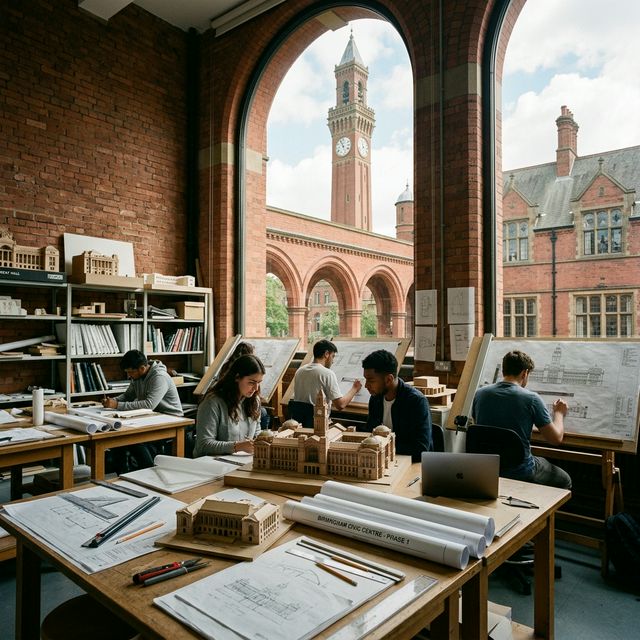
Architecture and environmental design is a discipline that sits at the boundary between the artistic and the scientific. Architecture has always been both a creative and a technical practice: it shapes the spaces in which people live, work, and gather, and must respond simultaneously to aesthetic ambitions, human needs, structural requirements, and environmental performance. Environmental design adds a dimension that is increasingly urgent: how buildings and urban environments can be designed to minimise their impact on the climate and natural systems, and to perform well in terms of energy use, thermal comfort, daylight, and air quality. At the University of Westminster, this three-year full-time BSc develops a new generation of architects who are both architecturally competent and environmentally aware. You will learn to explore spatial design with an evidence-informed approach, to evaluate design options critically, and to quantify the building performance and environmental impact of your proposals. The programme integrates creative design thinking with the technical and analytical skills needed to understand how buildings behave as physical and environmental systems. A sandwich year and work placements give you direct professional experience in the built environment sector, and Westminster's central London location provides immediate access to one of the world's most architecturally rich cities. The typical entry tariff is 120 UCAS points. Graduates of architecture and environmental design programmes pursue careers in architectural practice, building performance consultancy, sustainable design, urban design, construction management, and environmental engineering. The degree provides a foundation for further study at master's level in architecture, which is required for professional registration as an architect with the Architects Registration Board. Many graduates also work in related fields such as planning, landscape architecture, interior design, and building physics, where the combination of design expertise and environmental understanding is increasingly valuable.
Syllabus & Modules
Typical curriculumStudent Satisfaction
National Student Survey - 20 respondents (100% response rate)
Similarly Ranked Alternatives


What comes next? 🎓
Choosing the right university starts with choosing the right school. Explore transparent, data-driven school profiles powered by official DfE statistics.
Explore Schools on WhatSchool.ai →