BA Art History and Contemporary Craft
About this course
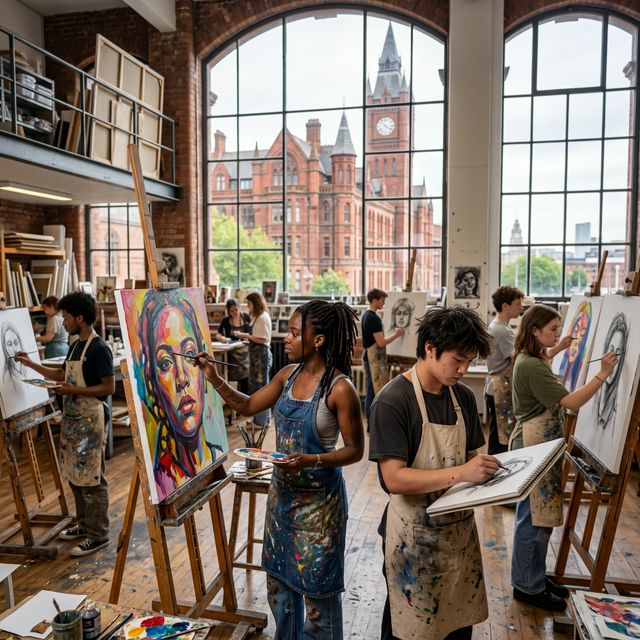
Art history and contemporary craft together explore the making, meaning and cultural significance of objects and images. Art history asks why things look the way they do, tracing the development of artistic traditions, examining the social and political contexts in which art is produced, and developing skills of close visual analysis alongside critical and historical argument. Contemporary craft extends this into the realm of making itself: the material practices of ceramics, textiles, metalwork, jewellery, glass and other disciplines that have been revived and reconceived in recent decades as serious artistic and intellectual endeavours in their own right. At Liverpool Hope University, this three-year full-time programme brings these perspectives together in a way that is both intellectually rich and practically grounded. You will study the history of art, design and architecture across different periods and cultures, examining the objects and images that have shaped visual and material culture and developing your capacity for informed critical response. The craft component takes you into the studio, where you will develop skills in making and learn to think through materials as well as through ideas. The two sides of the programme illuminate each other: historical understanding enriches your practice, and practical experience sharpens your ability to analyse and interpret objects as material things, not just images. A sandwich year placement, a year abroad, and a work placement are all available, giving you significant opportunities to extend your experience beyond the university environment. Visual analysis, research, written argument and the ability to engage with both theoretical and practical dimensions of creative work are all developed throughout the degree. Graduates from art history and craft programmes move into museum and gallery work, arts administration, education, curation, craft practice and design, publishing, heritage, and the cultural sector more broadly. Postgraduate study in art history, curatorial practice, material culture, craft or education is a well-established pathway for those who want to deepen their expertise.
Syllabus & Modules
Typical curriculumStudent Satisfaction
National Student Survey - 40 respondents (79% response rate)
Similarly Ranked Alternatives

What comes next? 🎓
Choosing the right university starts with choosing the right school. Explore transparent, data-driven school profiles powered by official DfE statistics.
Explore Schools on WhatSchool.ai →