
BSc Biochemistry
About this course
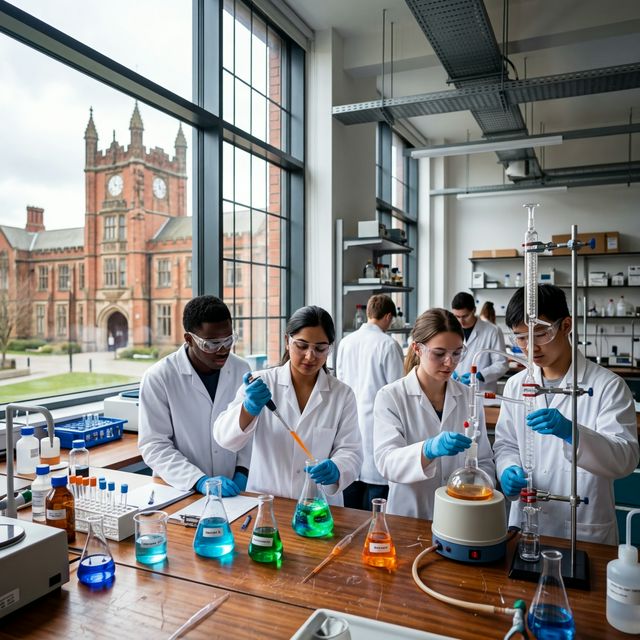
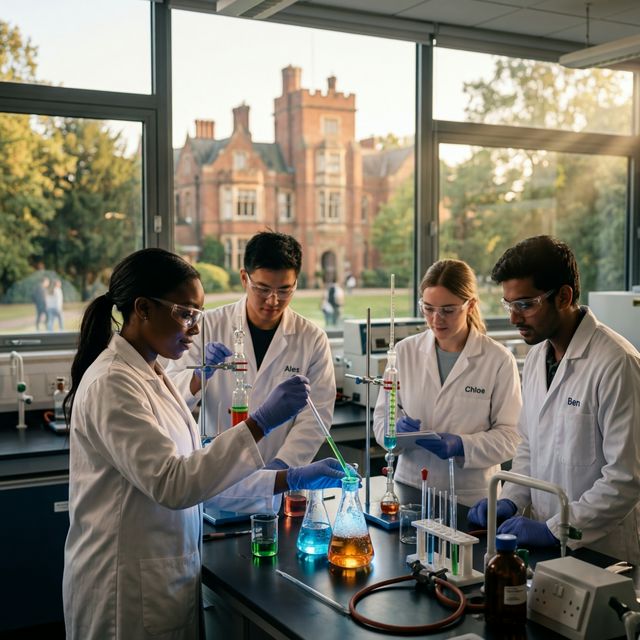
Biochemistry asks what life is made of and how it works at the molecular level, examining the atoms that make up biological molecules, the proteins that carry out cellular functions, the DNA that encodes hereditary information, and the metabolic pathways that provide the energy for life. Many devastating diseases are caused by just a few atoms being out of place inside cells, and biochemistry aims to understand how living things work at the atomic level, driving some of the most exciting developments in biomedical research, from new drugs to treat neurodegenerative disorders to cancer therapies and vaccines. Questions such as how genes are encoded in DNA, how proteins fold into three-dimensional structures, how mutations cause inherited disorders, and how viruses replicate inside cells are all within biochemistry's scope. At the University of Leeds, this three-year full-time programme provides rigorous training in molecular and cellular biochemistry, combining theoretical understanding with strong practical laboratory skills. Leeds is a major research university with particular strengths in structural biology, molecular medicine, and biochemical science, and you will benefit from being taught by staff who are working at the frontiers of these fields. A sandwich year in industry, a year abroad, and work placements are all part of the programme, giving you direct experience in pharmaceutical, biotechnology, or research environments before graduation and an international perspective on how biochemical science is practised globally. With a typical entry tariff of 152 UCAS points, this is a competitive programme that prepares graduates for careers in pharmaceutical and biotechnology research, clinical biochemistry, drug discovery, genomics, bioinformatics, medical diagnostics, environmental science, and science communication. Many graduates continue to postgraduate study, including PhD research in biochemistry, structural biology, pharmacology, or related molecular sciences.
Syllabus & Modules
Typical curriculumStudent Satisfaction
National Student Survey - 20 respondents (69% response rate)
Similarly Ranked Alternatives

What comes next? 🎓
Choosing the right university starts with choosing the right school. Explore transparent, data-driven school profiles powered by official DfE statistics.
Explore Schools on WhatSchool.ai →