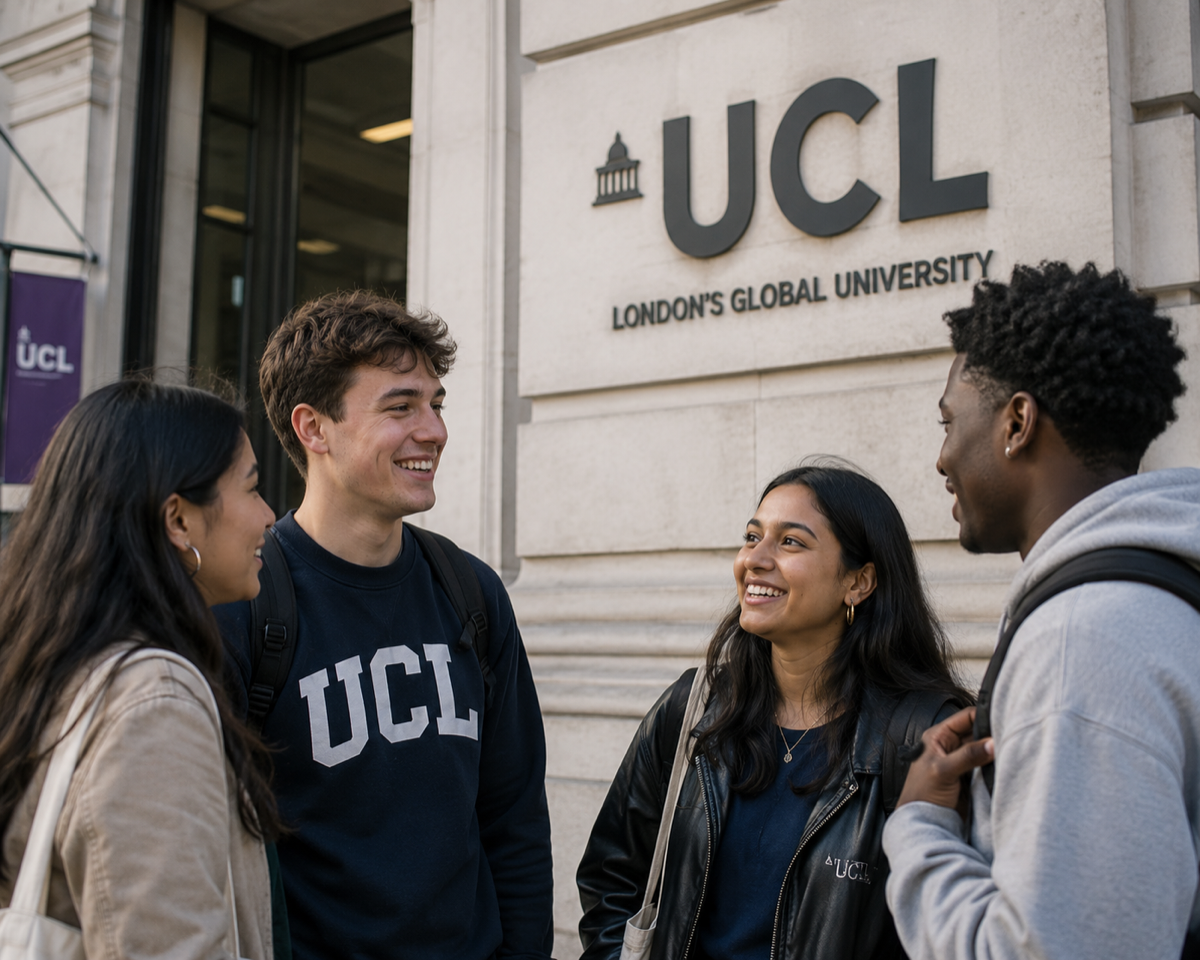
BA Bulgarian and Serbian/Croatian
About this course
Bulgarian and Serbian-Croatian at University College London's School of Slavonic and East European Studies is a joint honours programme that immerses you in two South Slavic languages spoken across the Balkans, a region whose linguistic diversity, cultural richness, and complex modern history make it one of the most fascinating areas of European study. Bulgarian is the official language of Bulgaria and is spoken by communities across the wider Balkan region, carrying a literary tradition that stretches from medieval Church Slavonic texts through to a vibrant contemporary scene. Serbian-Croatian encompasses the closely related languages of Serbia, Croatia, Bosnia, and Montenegro, spanning a region whose twentieth-century history has been marked by both cultural achievement and devastating conflict. This four-year programme gives you genuine proficiency in both languages alongside deep cultural and historical knowledge. You will develop skills in speaking, writing, reading, and translation in both Bulgarian and Serbian-Croatian, alongside study of the literature, history, film, politics, and culture of the communities in which these languages are spoken. SSEES is one of the largest departments in the UK for the study of Central, Eastern, and South-Eastern Europe, the Baltics, the Caucasus, and Central Asia, giving you access to outstanding specialist resources and scholarly expertise. The degree includes a year abroad, spent in countries where your languages are spoken, which is essential for developing genuine fluency and cultural understanding. A typical entry tariff of 152 points reflects a moderately selective admissions standard. Graduates move into careers in translation and interpreting, journalism, academia, the diplomatic service, international organisations, business with a Balkan or Eastern European focus, cultural institutions, and government. Many continue to postgraduate study in Slavonic studies, area studies, or European history.
Syllabus & Modules
Typical curriculumStudent Satisfaction
National Student Survey - 100 respondents (70% response rate)
What comes next? 🎓
Choosing the right university starts with choosing the right school. Explore transparent, data-driven school profiles powered by official DfE statistics.
Explore Schools on WhatSchool.ai →