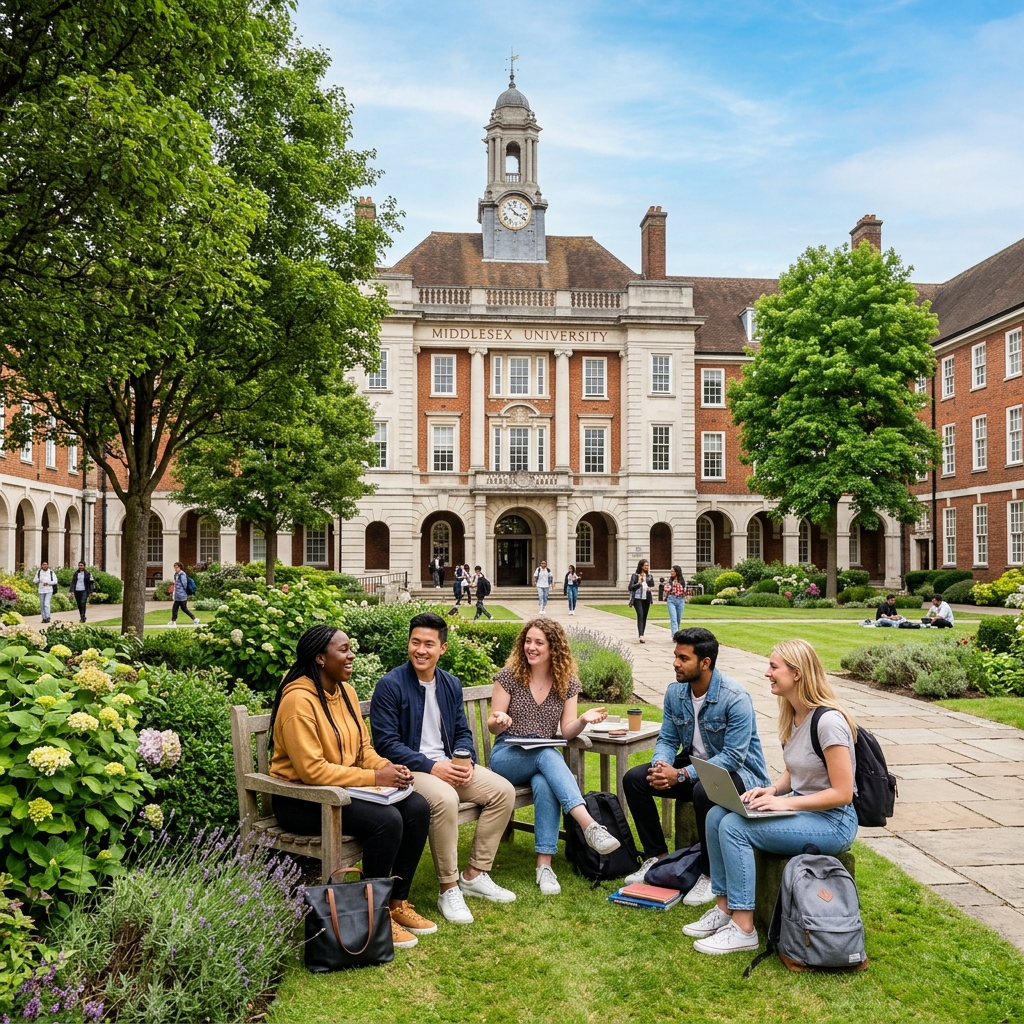
BSc Business Economics
About this course
Business economics applies the analytical tools of economics to the real decisions that firms, organisations, and policymakers face. Where economics in its purest form asks how markets work in theory, business economics grounds those questions in the practical realities of commercial life: how should a business price its products, respond to competitive pressure, manage costs, assess investment decisions, or understand the regulatory environment it operates in? The discipline combines economic rigour with a focus on how organisations actually behave and how they can use economic principles to make better decisions. At Middlesex University in London, this part-time programme includes a foundation year for students who need an additional preparatory year before entering the main degree. The foundation year is designed to be accessible to students from a range of backgrounds, providing the academic skills and conceptual grounding needed to succeed at degree level. Through the degree itself, you will study microeconomics and macroeconomics alongside quantitative methods, business strategy, and applied economics topics that connect directly to commercial practice. The combination of industry focus and academic rigour is designed to produce graduates who can think analytically about business problems and communicate their reasoning clearly to a non-specialist audience. Business economics graduates are well placed for careers in financial analysis, consulting, marketing, retail management, public sector economics, banking, and general management. The combination of economic thinking and business understanding is valued wherever organisations need people who can interpret data, understand market dynamics, and contribute to strategic decision-making. Many graduates also pursue further professional qualifications in accountancy, finance, or management, or go on to postgraduate study in economics, business, or public policy for those who wish to develop a more specialised or research-oriented career path.
Syllabus & Modules
Typical curriculumStudent Satisfaction
National Student Survey - 10 respondents (64% response rate)
What comes next? 🎓
Choosing the right university starts with choosing the right school. Explore transparent, data-driven school profiles powered by official DfE statistics.
Explore Schools on WhatSchool.ai →