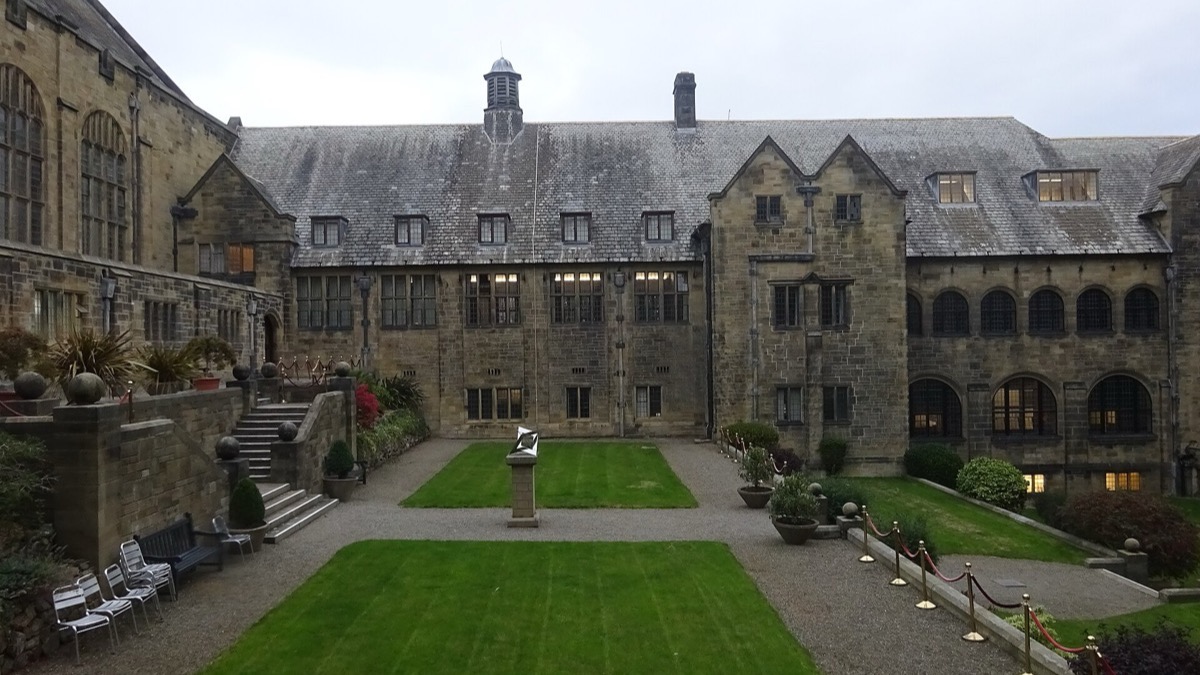
BA Childhood and Youth Studies and Psychology
About this course
Childhood and youth studies examines the lives, rights, experiences and development of young people from birth through adolescence, drawing on sociology, education studies, social policy and developmental psychology to build a rounded picture of what it means to grow up. Psychology, as a complementary discipline, offers rigorous scientific methods and theory for understanding how the mind and behaviour develop, how social and emotional processes work and how individual differences arise. Together they form a highly practical combination for anyone interested in the wellbeing, education and support of children and young people. At Bangor University this three-year, full-time programme equips you with both the theoretical grounding and the applied skills to work effectively with children and young people. You will examine topics including child development, social and educational inequality, safeguarding, policy frameworks for children's services, the sociology of childhood and the psychology of learning and attachment. Research methods and data literacy are central to both disciplines, and you will develop the ability to evaluate evidence critically and apply it to real-world questions. The course includes a sandwich placement year, a year abroad and work placements, all of which give you direct professional experience in schools, early years settings, youth services or health and social care, and the opportunity to gain an international perspective. Graduates pursue careers in social work, early years and childcare, teaching, youth work, educational psychology, family support, health visiting, counselling and community development. Many also progress to postgraduate study in social work, educational psychology, early childhood education, clinical psychology or child and adolescent mental health, building on the combined foundation this degree provides. The breadth of professional settings in which graduates find work reflects how widely the combination of these two disciplines is valued across public, voluntary and private sector services for children and families.
Syllabus & Modules
Typical curriculumStudent Satisfaction
National Student Survey - 10 respondents (100% response rate)
Similarly Ranked Alternatives


What comes next? 🎓
Choosing the right university starts with choosing the right school. Explore transparent, data-driven school profiles powered by official DfE statistics.
Explore Schools on WhatSchool.ai →