MA Computing Science/Music
About this course
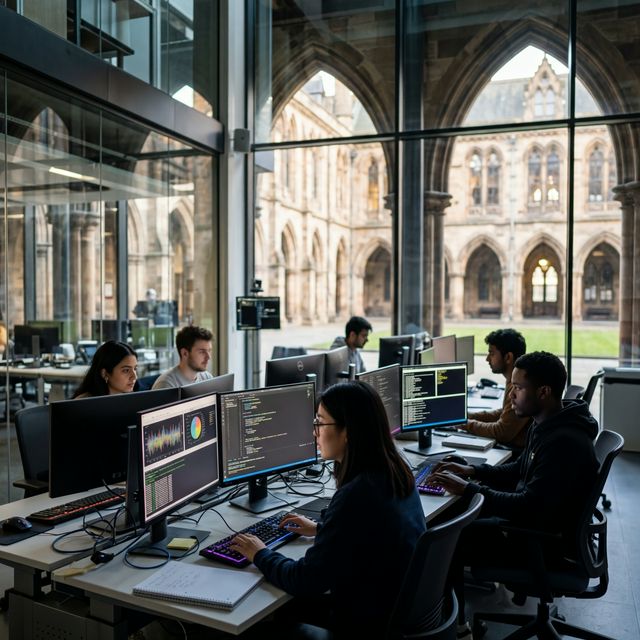
Computing science and music is a combination that reflects the deep and increasingly practical relationship between technology and musical creation, performance and analysis. Computing science, as Glasgow's own description puts it, is wide-ranging: from programming and engineering large software systems to the design of human-computer interfaces, algorithms, artificial intelligence and big data systems. Music adds a creative, analytical and cultural dimension that is both enriched by computational approaches and genuinely enriching to computer science: music information retrieval, algorithmic composition, audio signal processing, musical instrument design, interactive music systems and the acoustics of performance spaces are all areas where the two disciplines meet. At the University of Glasgow, this four-year degree with a year abroad allows you to develop genuine depth in both computing science and music. You will study the core of computing science, including programming, data structures, algorithms, software engineering, operating systems and computer networks, alongside music theory and analysis, music history and performance, and the specific areas where computing and music interact. The year abroad gives you the opportunity to study at a partner institution in another country, developing your formation in both disciplines in a different academic context. The combination prepares graduates for a range of careers that neither discipline alone would provide access to, and also develops the general capabilities of rigorous technical thinking and creative auditory intelligence that are valuable in many other contexts. Graduates go on to careers in music technology, audio software development, game audio, film and television sound design, digital music platforms, music information retrieval research, interactive media and software engineering in the creative industries. Further study in music technology, computer science, creative computing or audio engineering is also a well-established route.
Syllabus & Modules
Typical curriculumStudent Satisfaction
National Student Survey - 140 respondents (68% response rate)
Similarly Ranked Alternatives
What comes next? 🎓
Choosing the right university starts with choosing the right school. Explore transparent, data-driven school profiles powered by official DfE statistics.
Explore Schools on WhatSchool.ai →