High Drop-out Rate Alert
20% of students drop out or transfer from this specific course. Consider asking why on an open day.
BA Creative Writing and Dance
About this course
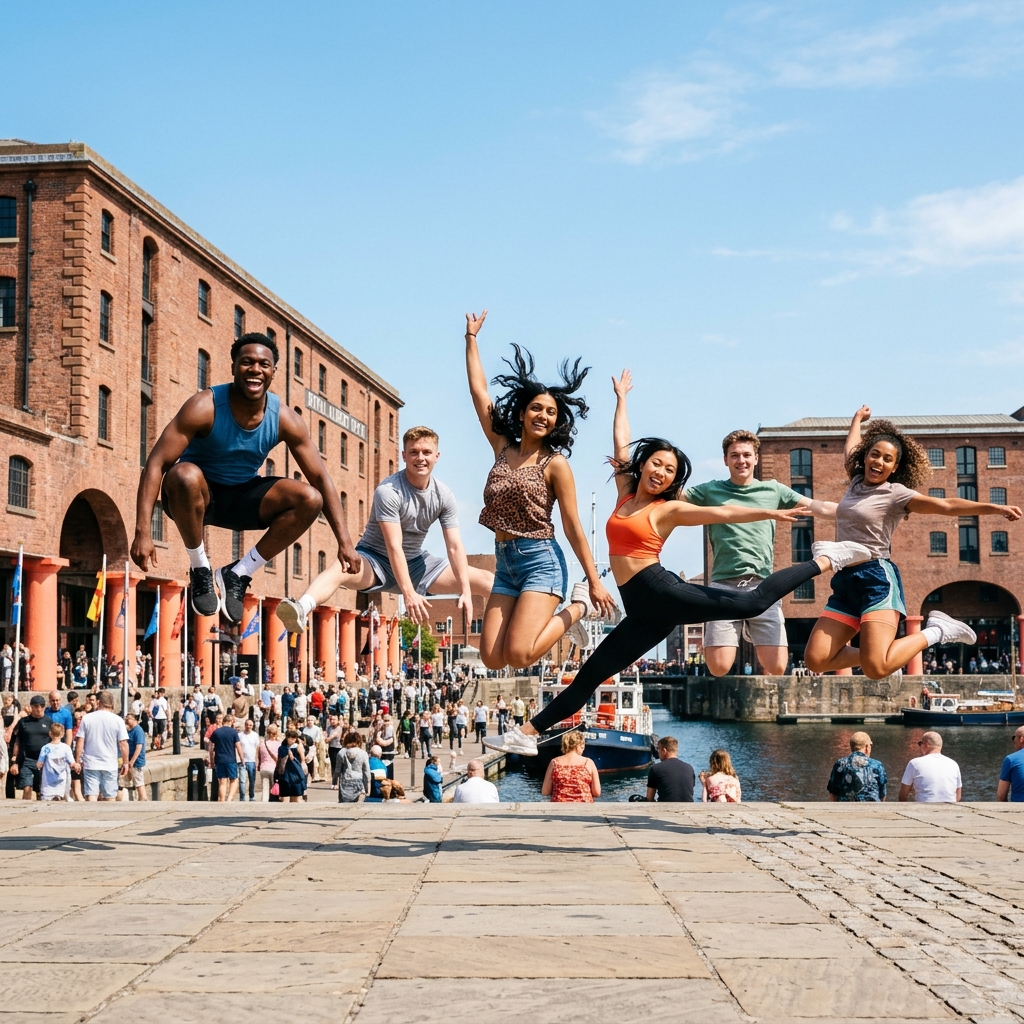
Creative writing and dance is an unusual combination that makes more sense the longer you think about it. Both disciplines are concerned with expression, with finding forms adequate to experience, and with the relationship between the body, the imagination, and the audience. Dance is writing in movement, a sequential art that creates meaning through time and space; creative writing is an embodied practice, one that requires rhythm, timing, precision, and an awareness of how words act on a reader. Bringing the two together deepens understanding of both. At Liverpool Hope University, you will study creative writing in a city of poets and storytellers, taught by writers, poets, and academics who are closely connected to the local writing community and recognised internationally for their work. Merseyside's distinctive literary culture provides a rich context for your development as a writer. The dance strand develops technique, choreography, and critical understanding of dance practice and history. The programme runs for three years full time, with a sandwich year, a year abroad and integrated work placement opportunities, giving you the chance to develop practical experience in both creative fields professionally and to engage with other cultural traditions abroad. The typical entry tariff is 104 points. You will develop your writing voice across fiction, poetry, scriptwriting, and other forms, receiving workshop feedback and building a portfolio of work, while also training in dance technique, performance, and choreographic practice. The combination asks you to be articulate in two different artistic languages, which develops a creative flexibility and cross-disciplinary thinking that is rare and genuinely enriching. Graduates from creative writing and dance programmes move into careers in the arts, education, community arts, arts administration, dance companies, writing for theatre, performance poetry, and the broader creative industries. The combination of creative and performative skills transfers into television, film, games, and digital media. Some graduates continue to postgraduate study in writing or dance, and others build independent artistic careers across both forms.
Syllabus & Modules
Typical curriculumStudent Satisfaction
National Student Survey - 15 respondents (77% response rate)
Similarly Ranked Alternatives
What comes next? 🎓
Choosing the right university starts with choosing the right school. Explore transparent, data-driven school profiles powered by official DfE statistics.
Explore Schools on WhatSchool.ai →