BA Creative Writing
About this course
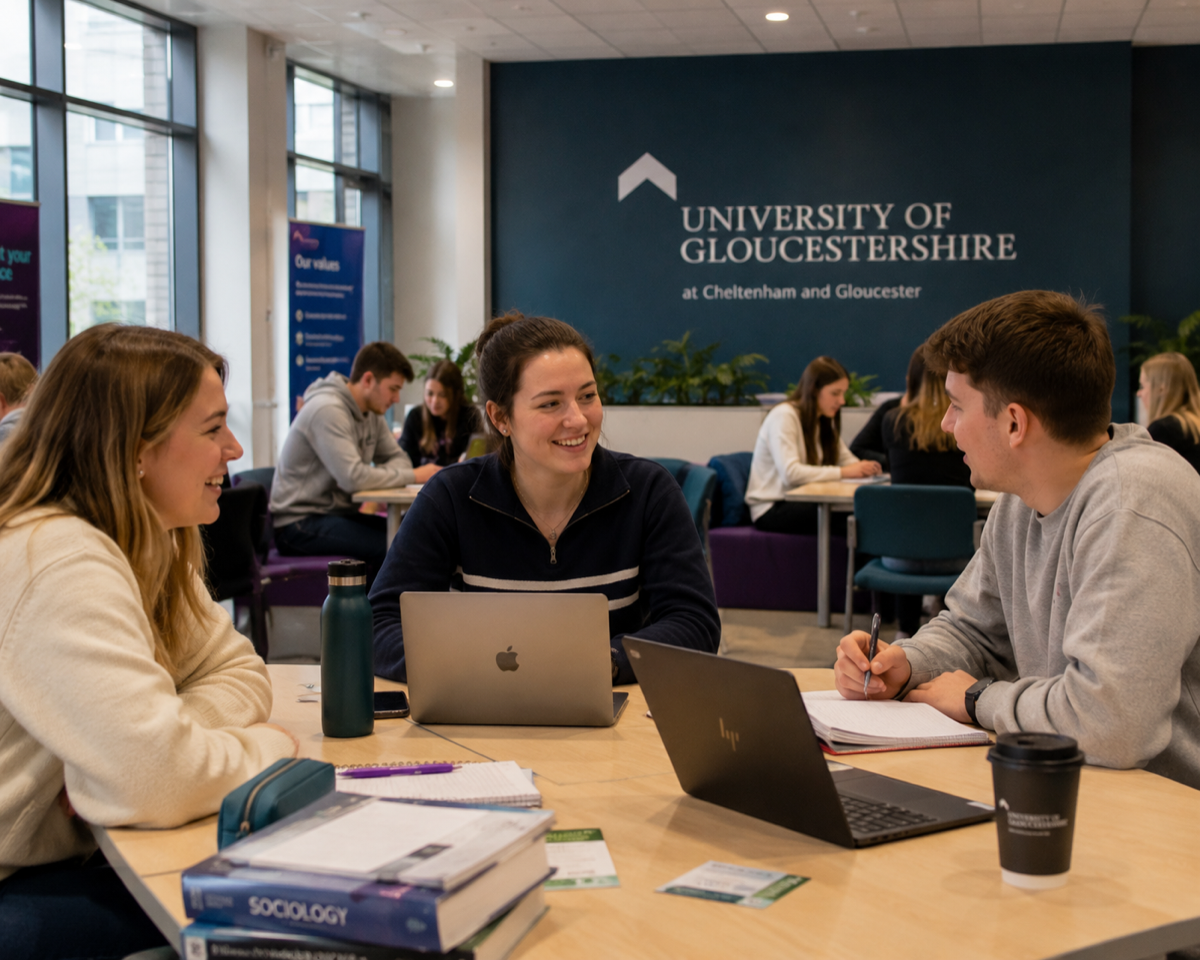
Creative writing is the study and practice of literary form, asking you to engage as both a practitioner and a critical reader with the craft of fiction, poetry, creative non-fiction and other forms of literary expression. It is a discipline that takes seriously the idea that writing can be taught and developed, while also recognising that originality, voice and the willingness to take creative risks are things that workshops and seminars can encourage but not manufacture. Reading widely and well is as much a part of a creative writing education as the act of writing, and the two activities feed each other throughout the programme. At the University of Gloucestershire this three-year, full-time programme develops your writing practice across a range of forms and genres, with support from tutors who are themselves working writers bringing active creative practice to their teaching. You will write in workshops, receive and give feedback, read contemporary and classic literature critically, and develop a sustained creative project that represents your voice and ambitions as a writer. The programme is based at Francis Close Hall, a heritage campus that provides a stimulating and collegiate environment in which to develop creative work. You will also engage with the professional contexts of writing, understanding how the publishing industry works and what it takes to bring creative work to readers. Creative writing graduates pursue a wide range of careers, including those in publishing, editing, literary agenting, arts journalism, copywriting, content creation, screenwriting, teaching and educational development, and arts management. Many combine a professional career in writing or a related field with a continuing personal creative practice. Some graduate students go on to postgraduate study in creative writing, English literature or related fields, including MFA programmes that allow sustained development of a significant creative project. The degree develops transferable skills in communication, critical thinking, empathy and sustained creative effort that are valued across many professional contexts.
Syllabus & Modules
Typical curriculumStudent Satisfaction
National Student Survey - 10 respondents (100% response rate)
Similarly Ranked Alternatives


What comes next? 🎓
Choosing the right university starts with choosing the right school. Explore transparent, data-driven school profiles powered by official DfE statistics.
Explore Schools on WhatSchool.ai →