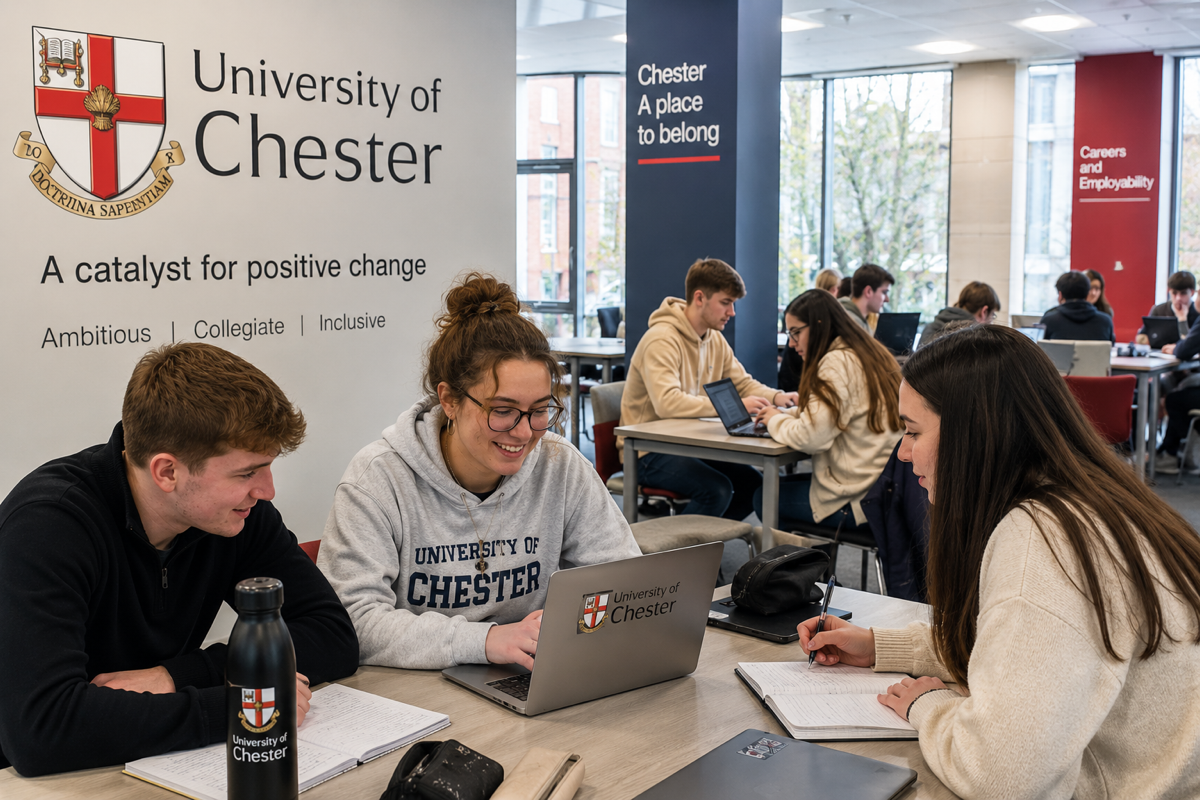
BSc Criminology and Forensic Biology (including a Foundation Year)
About this course
Criminology and forensic biology is a combination that brings together the social science of crime and criminal justice with the biological and scientific methods used to investigate crime scenes and analyse physical evidence. Criminology asks why crime happens, how it is experienced by victims and perpetrators, and how social institutions respond to it. Forensic biology applies techniques from genetics, microbiology, ecology and toxicology to the analysis of biological evidence, from DNA profiling and blood pattern analysis to the identification of materials and substances relevant to criminal investigations. Together they give you an unusually complete picture of how crime is understood and how it is investigated. At the University of Chester, this four-year BSc includes a foundation year and a year abroad, providing both additional academic preparation and international experience as part of your degree. The criminological component immerses you in psychological and sociological perspectives on crime, social inequality and criminal justice, drawing on case studies from both national and international contexts. The forensic biology strand develops your laboratory skills and scientific knowledge in the techniques that forensic science relies on, building practical competence alongside theoretical understanding. Graduates of this programme are prepared for careers at the intersection of science and the criminal justice system. Forensic biology roles in crime laboratories, police services, defence organisations and research institutions are natural destinations for those who wish to apply their scientific training in investigative contexts. Criminology graduates move into probation, victim support, community development, social work, policy research and the third sector. Some graduates pursue postgraduate study in forensic science, criminology, crime science or a specialist biological discipline, where the interdisciplinary foundations of the undergraduate degree provide a distinctive and practical base.
Syllabus & Modules
Typical curriculumStudent Satisfaction
National Student Survey - 15 respondents (73% response rate)
Similarly Ranked Alternatives
What comes next? 🎓
Choosing the right university starts with choosing the right school. Explore transparent, data-driven school profiles powered by official DfE statistics.
Explore Schools on WhatSchool.ai →