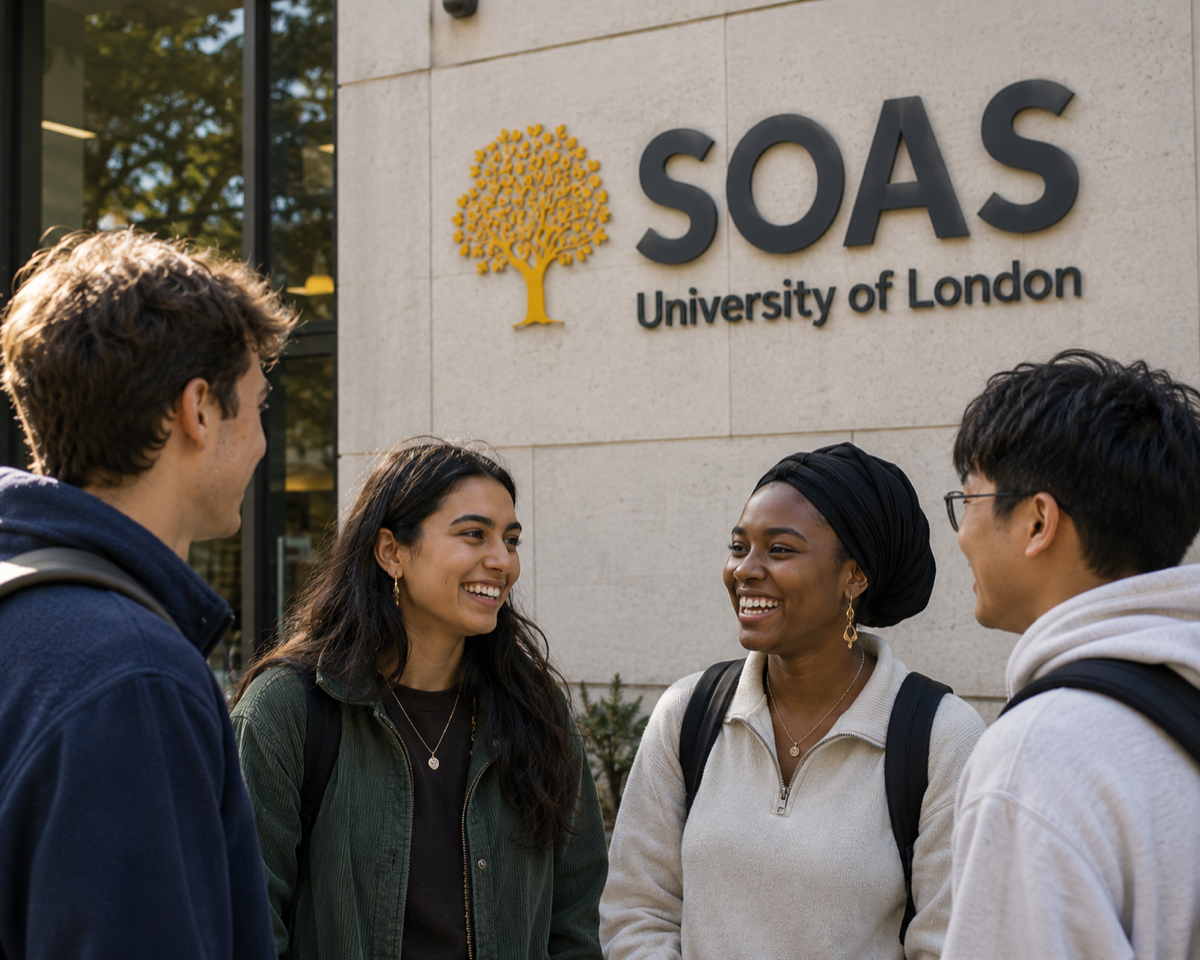
BSc Development Economics
About this course
Development economics is the branch of economics concerned with understanding why some economies grow and prosper while others remain poor, and with the policies and institutions that can enable development that is sustainable, equitable, and human in its outcomes. It draws on the full toolkit of economic analysis while also engaging with questions of political economy, institutional design, gender, environmental sustainability, and the historical legacies of colonialism and unequal global power relations. It is a discipline with direct relevance to some of the most urgent questions in contemporary international policy. At the School of Oriental and African Studies, which has one of the country's leading economics departments specialising in growth and development as well as political economy and heterodox approaches to economics, this three-year programme offers a genuinely distinctive perspective. You will study topics ranging from contemporary banking and finance and the economics of the environment to gender economics, global economic policy, and the economic development of specific world regions. The programme includes a foundation year for those who benefit from additional preparation before degree-level study, and the breadth and depth of SOAS's regional coverage is unmatched in UK higher education, drawing on the institution's unique expertise in Asia, Africa, and the Middle East. Graduates of development economics programmes are well placed for careers in international development organisations, the civil service, NGOs, international financial institutions such as the World Bank and IMF, government ministries, economic think-tanks, and academic research. The combination of rigorous economic training and specialised regional and thematic knowledge is particularly valuable in roles that require both analytical capability and deep contextual understanding. Many graduates pursue postgraduate study in development economics, international political economy, or public policy.
Syllabus & Modules
Typical curriculumStudent Satisfaction
National Student Survey - 120 respondents (67% response rate)
Similarly Ranked Alternatives
What comes next? 🎓
Choosing the right university starts with choosing the right school. Explore transparent, data-driven school profiles powered by official DfE statistics.
Explore Schools on WhatSchool.ai →