MA Economic & Social History/History
About this course
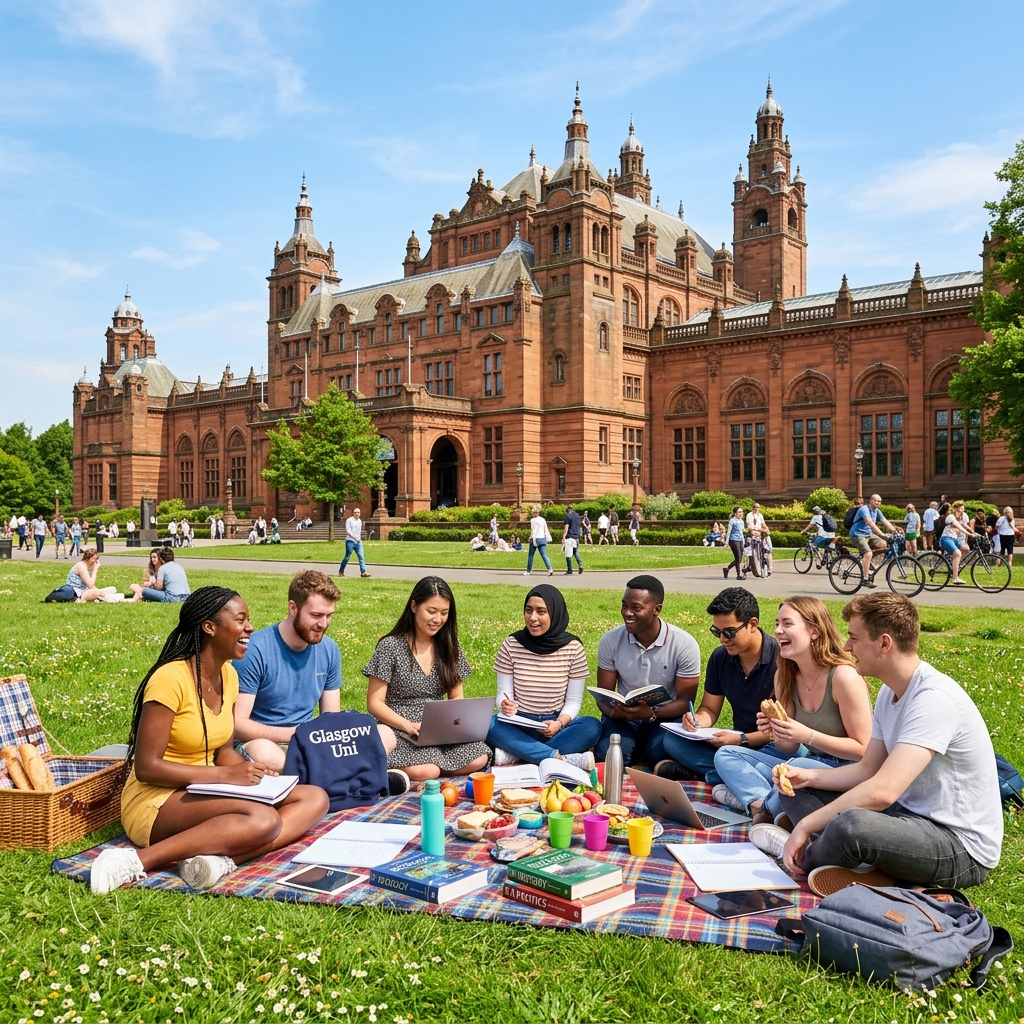
Economic and Social History and History together form a programme that examines the human past from two complementary angles. Economic and social history brings the tools of social science to bear on the study of how people lived, worked, and organised their material lives over time, focusing on structures, patterns, and processes rather than events alone. History, in its broader sense, encompasses politics, culture, intellectual life, and the actions of individuals and states, offering a narrative and interpretive complement to the more analytical approach of its partner discipline. At the University of Glasgow, this four-year full-time programme develops your ability to work across both traditions. You will study the economic and social structures that shaped past societies, examining questions of industrialisation, migration, poverty, gender, labour, and the development of global trade and financial systems. Alongside this, the broader history strand will take you through the political, cultural, and intellectual changes that have defined the world we inhabit. The programme includes a year abroad, giving you the opportunity to study history and social science in a different national tradition and to develop a more comparative perspective on the questions you are exploring. You will learn to evaluate evidence, construct arguments, and communicate complex ideas clearly across a range of formats. History and economic and social history graduates bring analytical and communication skills that are valued across a wide range of careers. Research, journalism, the civil service, finance, law, teaching, archival work, and the heritage sector are all common destinations. The quantitative and analytical dimensions of economic and social history are particularly valued in roles that require the ability to interpret data and understand structural change. Postgraduate study in history, economic history, social policy, development studies, or law is a well-established route for those who wish to specialise or move into academic research.
Syllabus & Modules
Typical curriculumStudent Satisfaction
National Student Survey - 205 respondents (74% response rate)
What comes next? 🎓
Choosing the right university starts with choosing the right school. Explore transparent, data-driven school profiles powered by official DfE statistics.
Explore Schools on WhatSchool.ai →