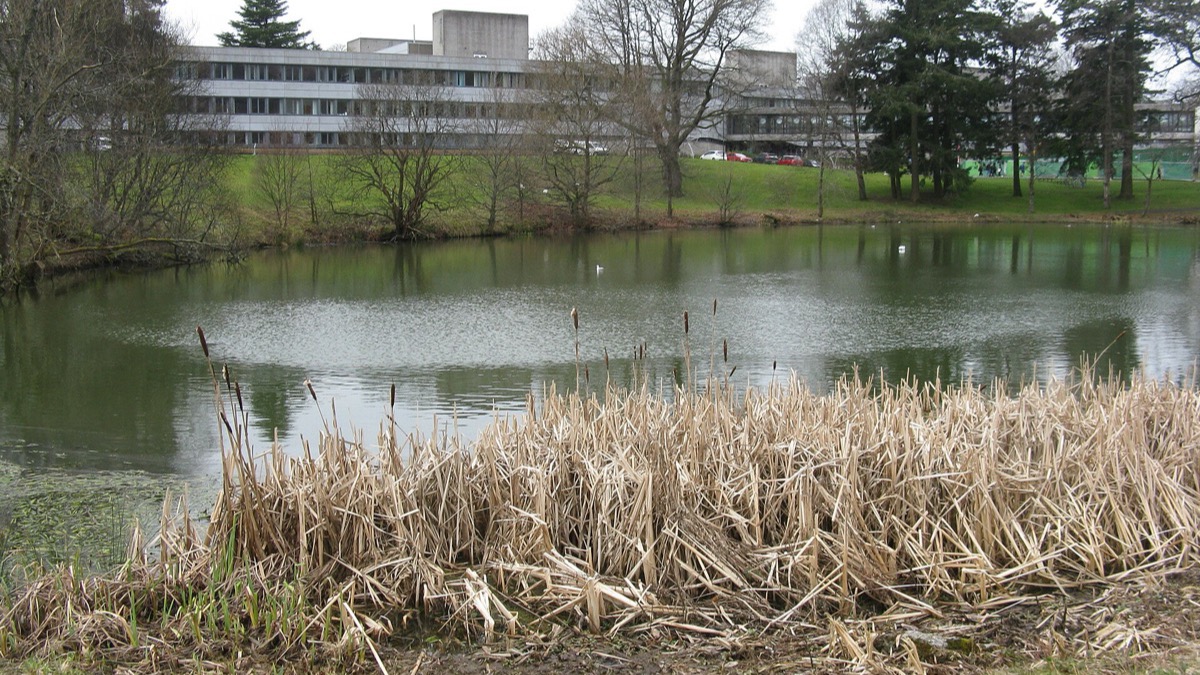
BSc Economics and Environmental Science
About this course
Economics and environmental science is a pairing that addresses one of the most consequential questions of our era: how can economic analysis help us understand, and potentially resolve, the environmental challenges that threaten both ecosystems and human prosperity? Economics provides the tools to model behaviour, evaluate trade-offs, and design policies that change incentives, while environmental science provides the empirical understanding of how natural systems function and how human activity is altering them. Together they offer a genuinely powerful combination for anyone who wants to engage with climate change, biodiversity loss, or resource management with both rigour and depth. At the University of Stirling, this four-year full-time degree includes a year abroad, giving you an international perspective on both disciplines and the opportunity to engage with environmental and economic questions in a different national context. You will study the core concepts of economics, including microeconomics, macroeconomics, and quantitative methods, alongside the scientific foundations of environmental science, encompassing ecology, earth systems, pollution, and conservation biology. You will examine environmental economics specifically, learning how economists model externalities, design carbon pricing systems, evaluate ecosystem services, and assess the costs and benefits of environmental policy. Fieldwork and laboratory components in the environmental science strand build your practical scientific skills alongside your economic analysis. You will develop strong quantitative and analytical capabilities, the ability to work with both scientific data and economic models, and the judgement to engage with complex policy questions that span both disciplines. These are skills that are in growing demand as governments, businesses, and international organisations grapple with environmental sustainability. Graduates from economics and environmental science programmes work in environmental consultancy, government environmental agencies, international development organisations, natural resource management, carbon markets, sustainable finance, and academic research. Postgraduate study in environmental economics, ecological economics, sustainability, or environmental policy is a common route for those who wish to specialise further.
Syllabus & Modules
Typical curriculumStudent Satisfaction
National Student Survey - 35 respondents (94% response rate)
Similarly Ranked Alternatives


What comes next? 🎓
Choosing the right university starts with choosing the right school. Explore transparent, data-driven school profiles powered by official DfE statistics.
Explore Schools on WhatSchool.ai →