High Drop-out Rate Alert
20% of students drop out or transfer from this specific course. Consider asking why on an open day.
BSc Economics with Placement (Finance)
About this course
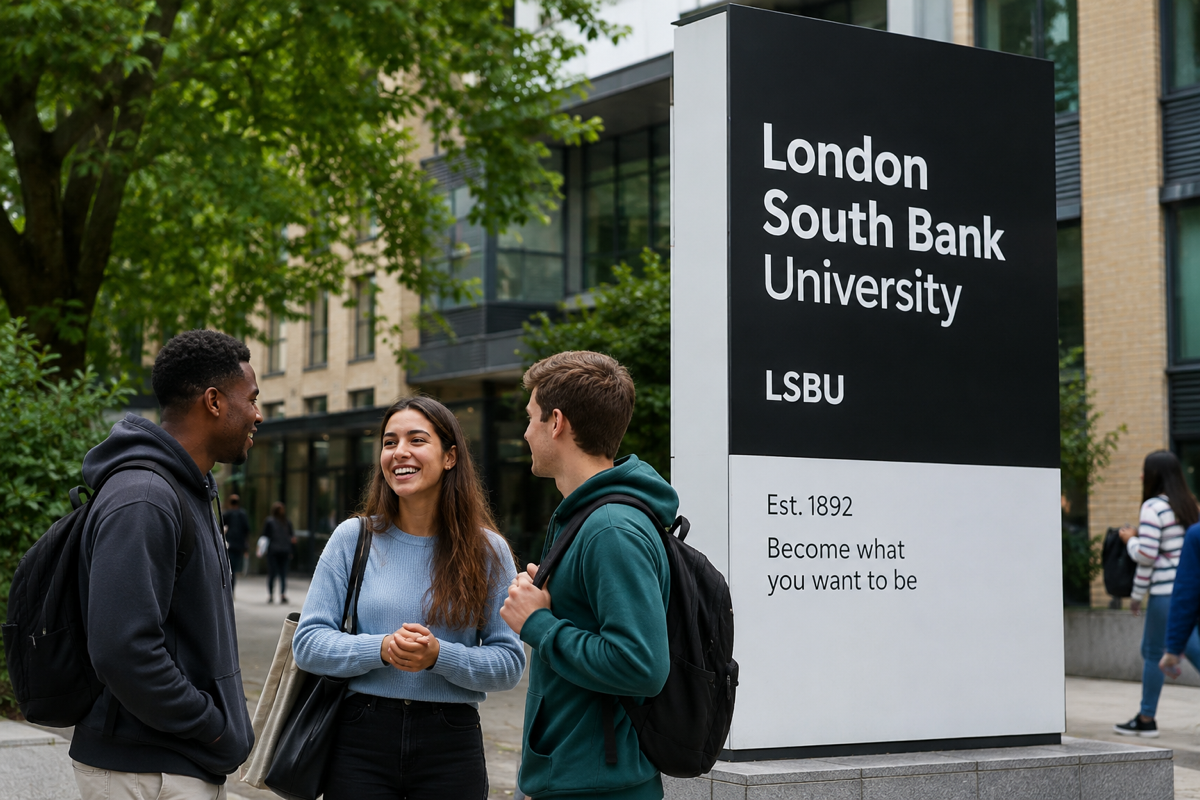
Economics is the study of how individuals, firms, and governments make decisions about scarce resources, and how those decisions aggregate into the patterns of production, income, trade, and growth that we observe in the world around us. Finance, as an applied dimension of economics, focuses specifically on how money, investment, and risk are managed over time, examining the behaviour of financial markets, the pricing of assets, and the financial decisions of households, corporations, and governments. Together, they form a powerful combination for understanding how the modern economy works at both the macro and micro level. At London South Bank University, this four-year, full-time programme includes both a foundation year for those who need to build the quantitative and analytical foundations required for economics, and a placement year that gives you extended professional experience in a finance-related context before you graduate. The curriculum has been designed to reflect the growing role of data-driven decision-making, digital technologies, and artificial intelligence in modern professional economics, ensuring you develop familiarity with industry-standard software and analytical tools alongside your economic theory. You will study macroeconomic concepts and the microeconomics of corporate decision-making, developing the ability to interpret complex data and apply economic reasoning to real policy and business questions. London's status as a global financial centre makes the placement year particularly valuable, placing you in one of the world's richest environments for economics and finance careers. A typical entry tariff of 104 points reflects an accessible admissions profile for a programme with professional ambition. Graduates go on to careers in banking and financial services, economic consultancy, government and regulatory bodies, international trade, and management roles where economic analysis informs strategy. Many continue to postgraduate study in economics, finance, data science, or public policy, building specialist expertise for roles in research or senior professional practice.
Syllabus & Modules
Typical curriculumStudent Satisfaction
National Student Survey - 10 respondents (85% response rate)
Similarly Ranked Alternatives



What comes next? 🎓
Choosing the right university starts with choosing the right school. Explore transparent, data-driven school profiles powered by official DfE statistics.
Explore Schools on WhatSchool.ai →