High Drop-out Rate Alert
22% of students drop out or transfer from this specific course. Consider asking why on an open day.
BSc Economics with Placement Year
About this course
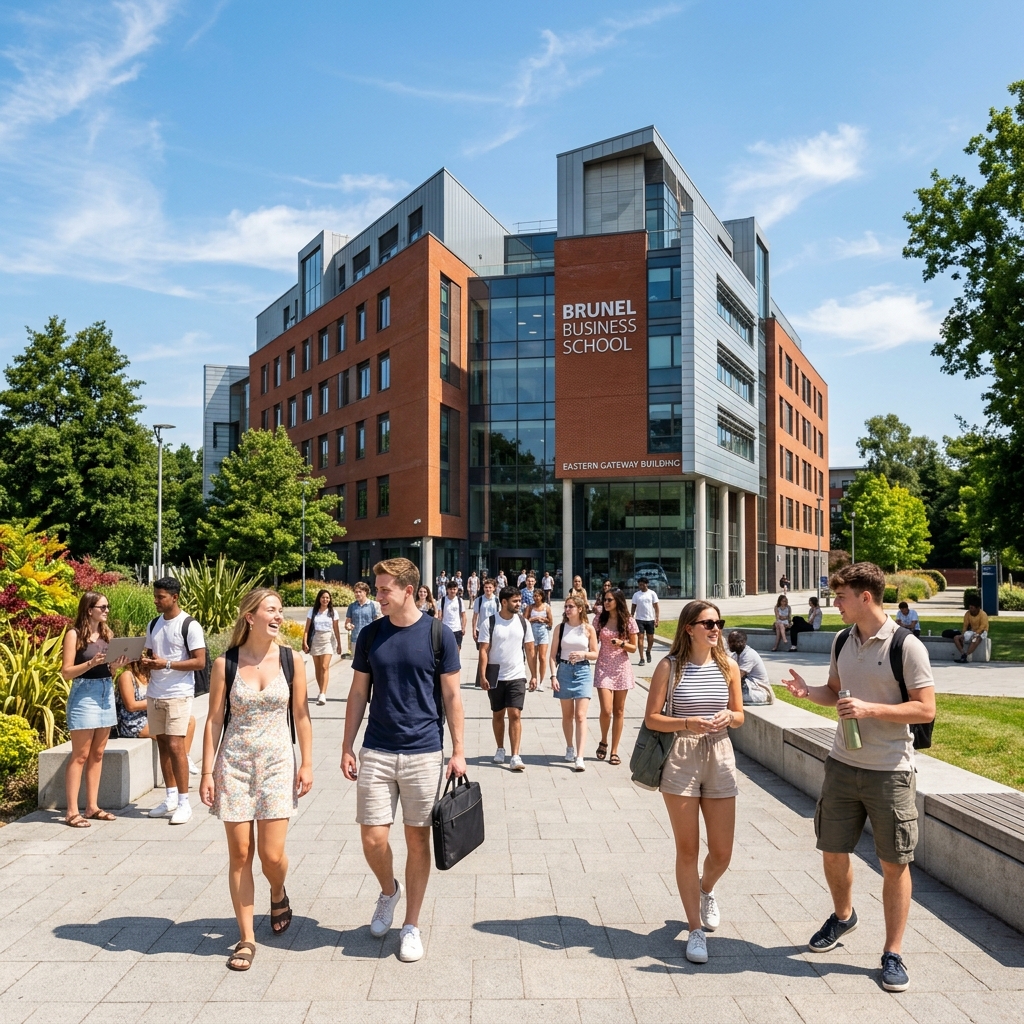
Economics is the discipline that seeks to understand how individuals, firms, and governments make decisions under conditions of scarcity, and how those decisions aggregate into the markets, industries, and macroeconomies that shape the material conditions of life. It is simultaneously a rigorous quantitative science and a social discipline, asking both how things work and why they work that way, and what might make them work better. The ability to think clearly about incentives, costs, trade-offs, and aggregate effects is one of the most transferable intellectual skills that higher education produces. At Brunel University London, this programme combines a thorough grounding in economic theory with the practical skills needed to apply that knowledge in business, industrial, financial, or government environments. You will study microeconomics, macroeconomics, econometrics, and economic policy, developing the mathematical and statistical literacy that allows you to engage with quantitative economic research and to build and evaluate economic models. The programme includes both a foundation year, which develops your mathematical and analytical preparation before the main degree, and a placement year in which you spend time working in a professional context, applying your economic understanding to real decisions and gaining the professional experience that employers value in graduates. The degree is studied full time over four years. Graduates from economics programmes are among the most versatile and sought-after in the graduate market. Careers in banking, finance, consultancy, the civil service, international organisations, market research, and policy analysis are all common destinations for economics graduates. The analytical skills the degree develops are valued across virtually every sector that requires rigorous thinking about data, incentives, and decisions. Further study options include postgraduate programmes in economics, finance, public policy, and quantitative social science.
Syllabus & Modules
Typical curriculumStudent Satisfaction
National Student Survey - 80 respondents (73% response rate)
Similarly Ranked Alternatives



What comes next? 🎓
Choosing the right university starts with choosing the right school. Explore transparent, data-driven school profiles powered by official DfE statistics.
Explore Schools on WhatSchool.ai →