BEng Energy Engineering
About this course
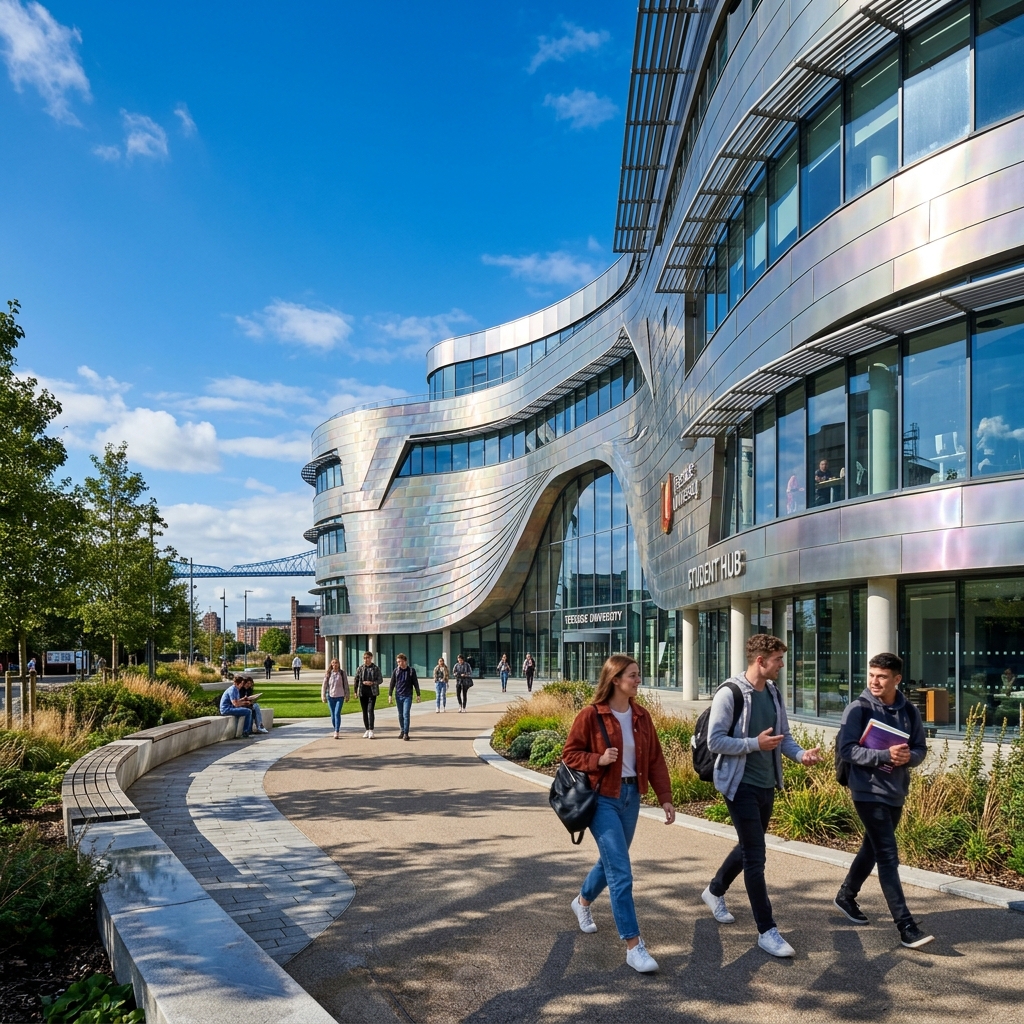
Energy engineering is the discipline concerned with understanding, harnessing, converting, and distributing energy in ways that are safe, efficient, and increasingly sustainable. The transition from fossil fuel-based energy systems to low-carbon and renewable alternatives is one of the defining technological and policy challenges of the coming decades, and energy engineers are central to making that transition happen. The field draws on mechanical engineering, electrical engineering, thermodynamics, fluid mechanics, and environmental science to address questions about how energy is generated, transmitted, stored, and consumed across industrial, commercial, and residential settings. At Teesside University, this part-time Energy Engineering programme provides a flexible route into the discipline for students who are already working in or adjacent to the energy sector. You will explore energy sources, generation technologies, transportation of energy, industrial and private consumption patterns, and the engineering and policy dimensions of the transition to clean energy. The programme gives you an overview of global and regional renewable energy landscapes, including the cost evolution of renewables relative to fossil fuels and the socio-economic dimensions of energy transition. You will develop an understanding of how engineering decisions connect to the wider policy and economic context in which the energy sector operates. You will develop both technical engineering knowledge and the broader analytical capacity to understand the complex systems of energy production, distribution, and consumption that shape modern economies. The part-time format allows you to develop these capabilities while continuing in employment. Graduates from energy engineering programmes pursue careers in renewable energy development, power systems engineering, energy management, sustainability consultancy, and government energy policy. The net zero agenda ensures sustained demand for engineers with this specialism across utilities, consultancies, and technology companies. Postgraduate study in energy engineering or sustainable systems is a natural continuation for those seeking specialist or research roles.
Syllabus & Modules
Typical curriculumStudent Satisfaction
National Student Survey - 40 respondents (78% response rate)
What comes next? 🎓
Choosing the right university starts with choosing the right school. Explore transparent, data-driven school profiles powered by official DfE statistics.
Explore Schools on WhatSchool.ai →