BA English and Language (French, German, Italian, Japanese, Spanish)
About this course
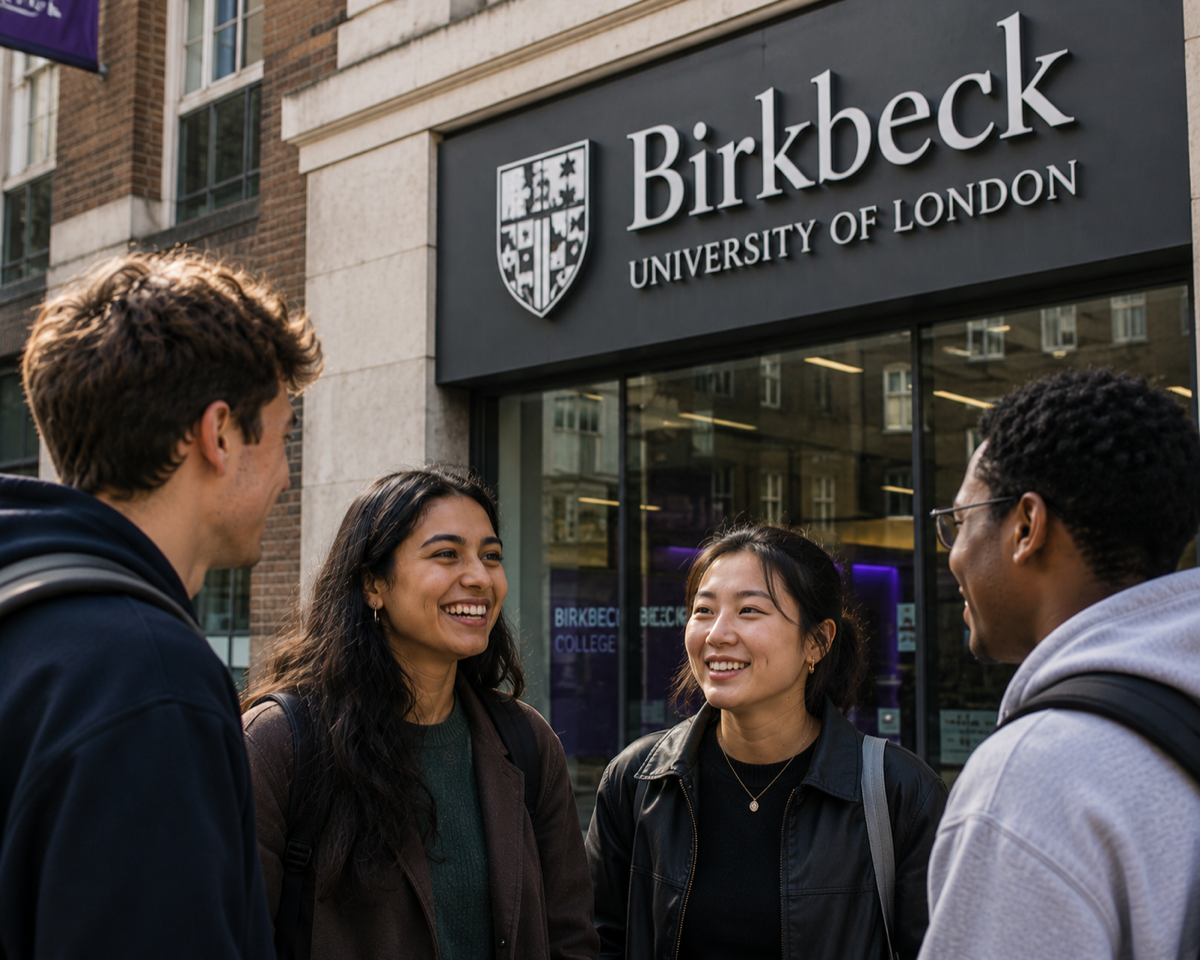
The study of English literature alongside a modern language opens up a richly comparative perspective on the ways different cultures use storytelling, poetry, and argument to make sense of the world. Literary traditions do not develop in isolation, and reading across languages exposes the assumptions, influences, and debates that shape how writers think and what audiences value. At Birkbeck College, this BA in English and Language allows you to pair English literature with French, German, Italian, Spanish, Japanese, Korean, or Mandarin Chinese, giving you genuine breadth while also building real competence in a second language and its associated culture. You will engage with canonical and contemporary texts in both your chosen language and English, developing skills in close reading, critical analysis, and cultural interpretation. The philosophical and historical contexts that surround literary works receive sustained attention, so you come to understand not just what texts say but why they were written, how they were received, and what they continue to mean. Working between two languages also sharpens your awareness of translation, of what is gained and lost when meaning crosses linguistic borders, and of the particular resources each language offers its writers. Birkbeck's flexible model is designed for students who are studying part-time, making this an excellent route for those combining a degree with employment or other responsibilities. The programme is taught in the evenings, and the pace allows you to read carefully and reflect deeply rather than rushing through material. The combination of strong literary analysis, a modern language, and the cultural knowledge that comes with both opens doors across a wide range of fields. Graduates have gone into careers in publishing, translation, education, journalism, cultural diplomacy, the creative industries, and international business, among others. Postgraduate study in comparative literature, translation studies, cultural theory, or a specific national literature is a natural continuation for those who wish to deepen their expertise. The ability to work fluently across languages and cultural frameworks is increasingly valued by employers in a connected world, and this degree provides a thoughtful and thorough foundation for doing so.
Syllabus & Modules
Typical curriculumStudent Satisfaction
National Student Survey - 15 respondents (78% response rate)
What comes next? 🎓
Choosing the right university starts with choosing the right school. Explore transparent, data-driven school profiles powered by official DfE statistics.
Explore Schools on WhatSchool.ai →