High Drop-out Rate Alert
20% of students drop out or transfer from this specific course. Consider asking why on an open day.
BA English Language and Literature
About this course
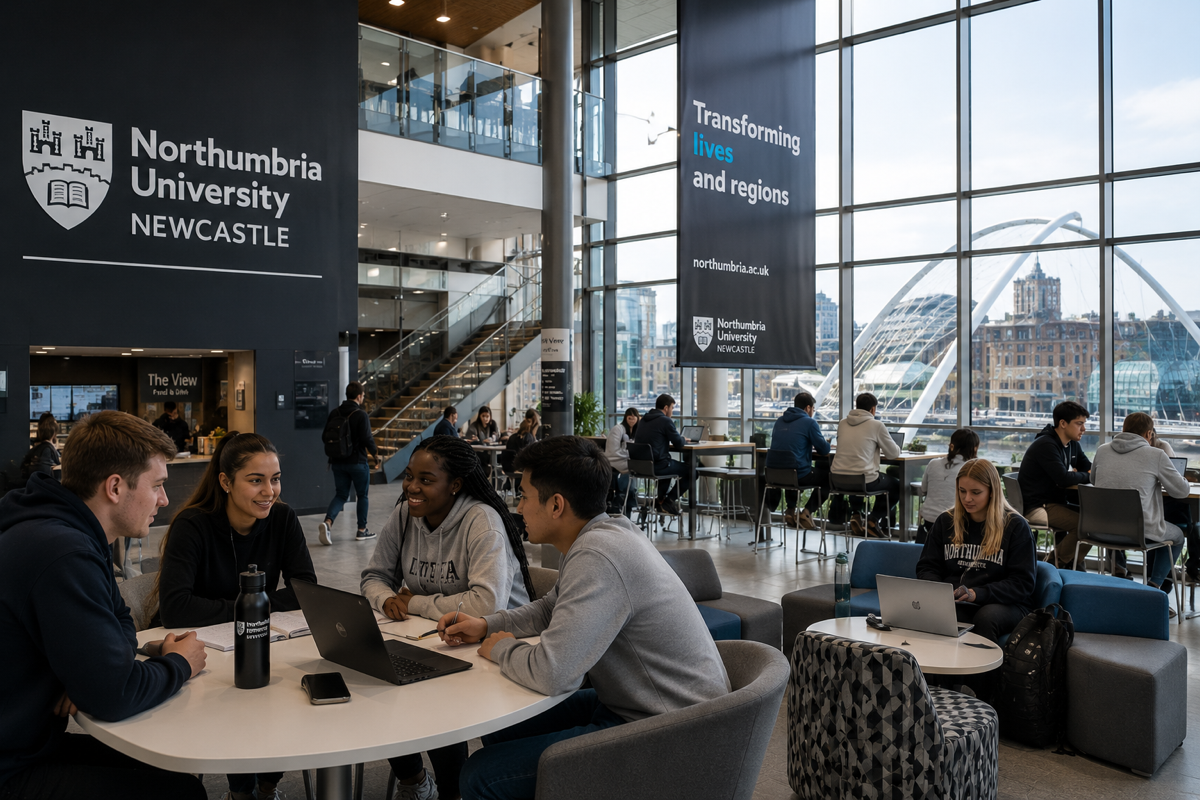
English language and literature together span two distinct but complementary ways of engaging with the written and spoken word. English literature is concerned with how texts work as art, exploring the craft, history, and cultural meaning of novels, poems, plays, and other forms across centuries. English language is the systematic study of how language itself is structured, how it varies across communities and contexts, and how meaning is made through grammar, discourse, and social convention. Bringing the two together means you can read a text both as a work of art and as a linguistic system, which is a particularly rich analytical position. This three-year full-time degree at Northumbria University covers a stimulating range of material, from Shakespeare to contemporary fiction, while also exploring how the English language works, where it comes from, and why people use English in different ways across the globe. You will develop your skills in close reading, critical analysis, and argument, alongside a more systematic understanding of linguistics. The programme includes a sandwich year, a year abroad, and work placement opportunities, giving you the chance to apply your skills in professional environments and to study or work in another country, all of which broaden your perspective and strengthen your graduate profile. English language and literature graduates are valued across many sectors. Publishing, journalism, advertising, education, communications, marketing, the civil service, and the creative industries all recruit graduates whose core skill is the ability to understand and produce effective language. Teaching English, at secondary level or as a foreign language abroad, is another well-trodden path. The sandwich year and placement experience strengthen your employment prospects considerably. Some graduates go on to postgraduate study in literature, linguistics, creative writing, or education, and a smaller number pursue academic research careers.
Syllabus & Modules
Typical curriculumStudent Satisfaction
National Student Survey - 40 respondents (55% response rate)
Similarly Ranked Alternatives


What comes next? 🎓
Choosing the right university starts with choosing the right school. Explore transparent, data-driven school profiles powered by official DfE statistics.
Explore Schools on WhatSchool.ai →