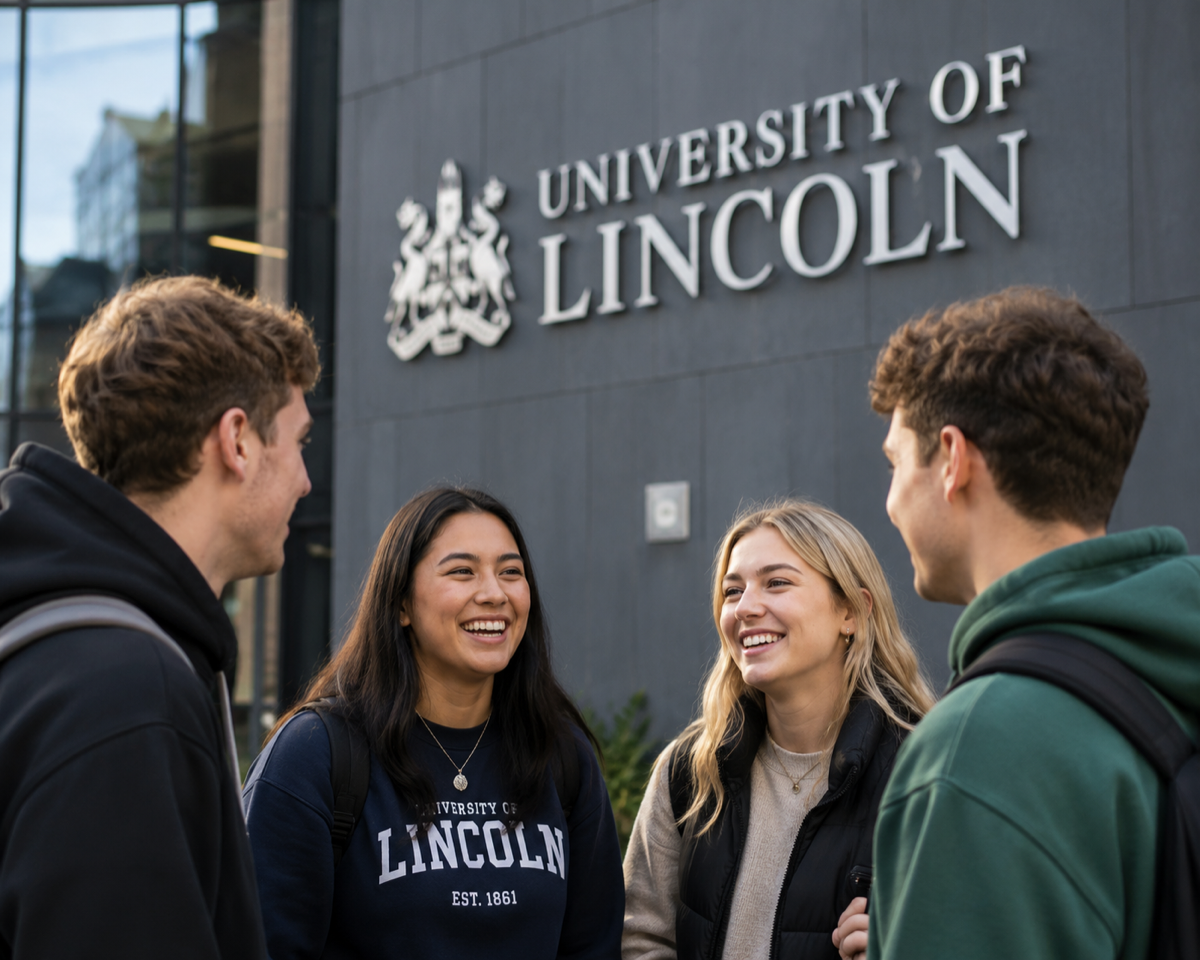
BSc Forensic Science with Science Foundation Year
About this course
Forensic science is the application of scientific knowledge and methods to the investigation of crime and the legal process. It draws on chemistry, biology, physics, and other sciences to analyse physical evidence, from trace materials and toxicology to DNA and digital data, in order to provide objective findings that can support or challenge accounts of what happened. The discipline sits at the intersection of science and the justice system, and practitioners must be as rigorous in their documentation and communication as in their laboratory work. At the University of Lincoln, this four-year full-time programme includes a science foundation year, providing a thorough grounding in chemistry, biology, and scientific methods before you begin the main degree. Lincoln's chemistry-led research environment brings academic staff who are active researchers into close contact with students, and the degree reflects that research-driven approach. A sandwich year is built into the programme, giving you the opportunity to work in a forensic science or related environment before your final year. Work placement is also part of the degree, further extending your practical exposure to the professional contexts in which forensic scientists work. You will study forensic chemistry, forensic biology, toxicology, crime scene investigation, analytical techniques, and the legal and procedural frameworks that govern how forensic evidence is gathered, processed, and presented. The laboratory skills you develop are essential for professional practice, and you will also develop the clear written and oral communication skills that are needed when presenting evidence in legal contexts. Graduates go on to work in forensic science laboratories, police services, toxicology, environmental analysis, and quality control in the pharmaceutical and food industries. Many continue to postgraduate study in forensic science, chemistry, or related fields. The analytical and scientific skills the degree develops are also valued in a wider range of research and technical roles.
Syllabus & Modules
Typical curriculumStudent Satisfaction
National Student Survey - 20 respondents (83% response rate)
Similarly Ranked Alternatives


What comes next? 🎓
Choosing the right university starts with choosing the right school. Explore transparent, data-driven school profiles powered by official DfE statistics.
Explore Schools on WhatSchool.ai →