BSc Forest Management (with placement)
About this course
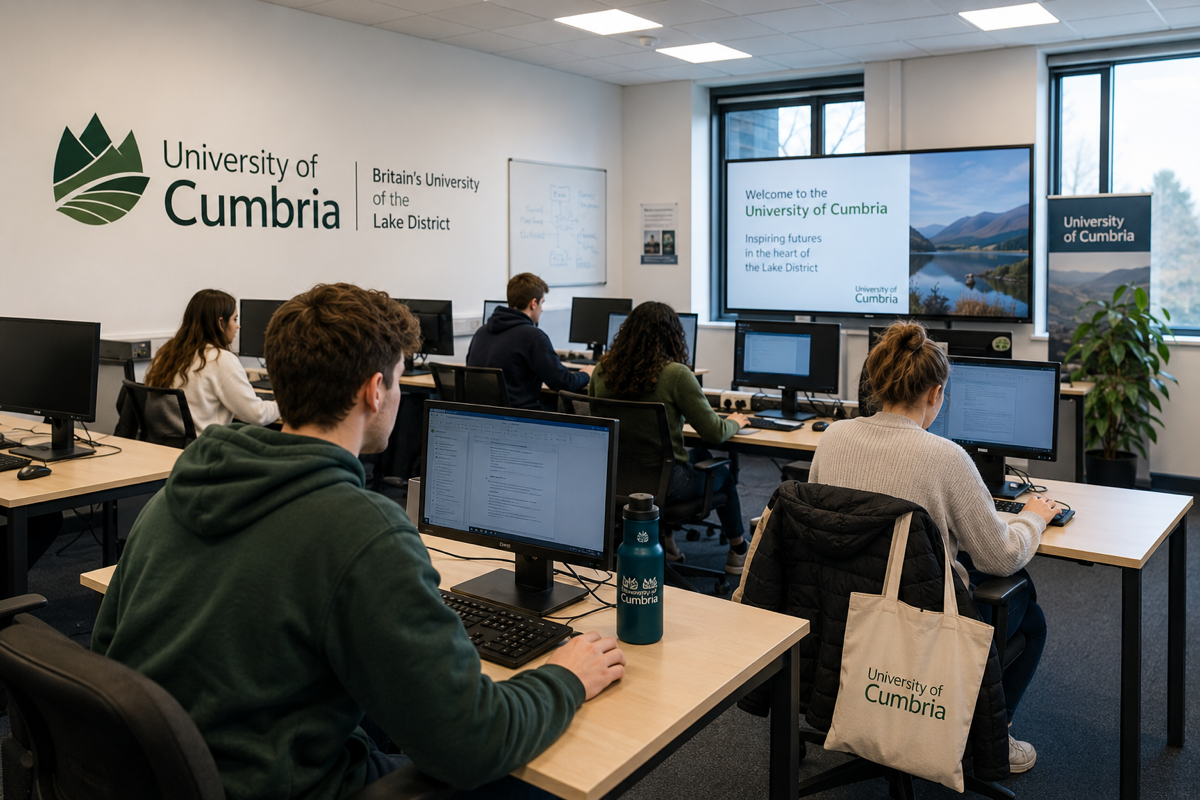
Forest management is a discipline that sits at the intersection of ecology, land management, and environmental policy. It is concerned with how woodlands and forests are sustained, developed, and managed for the full range of values they provide: ecological, economic, recreational, cultural, and carbon storage. As forests are increasingly recognised as essential to climate change mitigation, biodiversity conservation, and natural flood management, the people who can manage them well have never been more important. Forest management as a degree discipline combines the science of trees and woodland ecology with the practical and policy knowledge needed to work effectively with forests in the real world. At the University of Cumbria, this four-year full-time degree with placement is based at the National School of Forestry on the Ambleside campus, in the heart of the Lake District National Park. Your surroundings function as your classroom: the woodlands, uplands, and varied landscapes of the Lake District provide a living laboratory for your studies, and you will learn from world-leading experts in forest and woodland management whose connections to the profession extend nationally and globally. The programme immerses you in cutting-edge research alongside practical training, developing the technical knowledge and professional skills to work with nature, not against it. The placement gives you structured professional experience in a forestry, conservation, or land management environment, connecting your academic learning directly to professional practice. You will develop skills in woodland ecology, silviculture, forest measurement, environmental impact assessment, conservation, and the planning and management of forests for multiple objectives. Graduates go on to careers as foresters, woodland managers, conservation officers, land agents, environmental consultants, and policy advisers in government agencies such as the Forestry Commission, private woodland estates, environmental NGOs, and local authorities. Many pursue postgraduate study in forestry, environmental management, or conservation, and some go on to research in forest ecology or woodland policy.
Syllabus & Modules
Typical curriculumStudent Satisfaction
National Student Survey - 20 respondents (89% response rate)
Similarly Ranked Alternatives


What comes next? 🎓
Choosing the right university starts with choosing the right school. Explore transparent, data-driven school profiles powered by official DfE statistics.
Explore Schools on WhatSchool.ai →