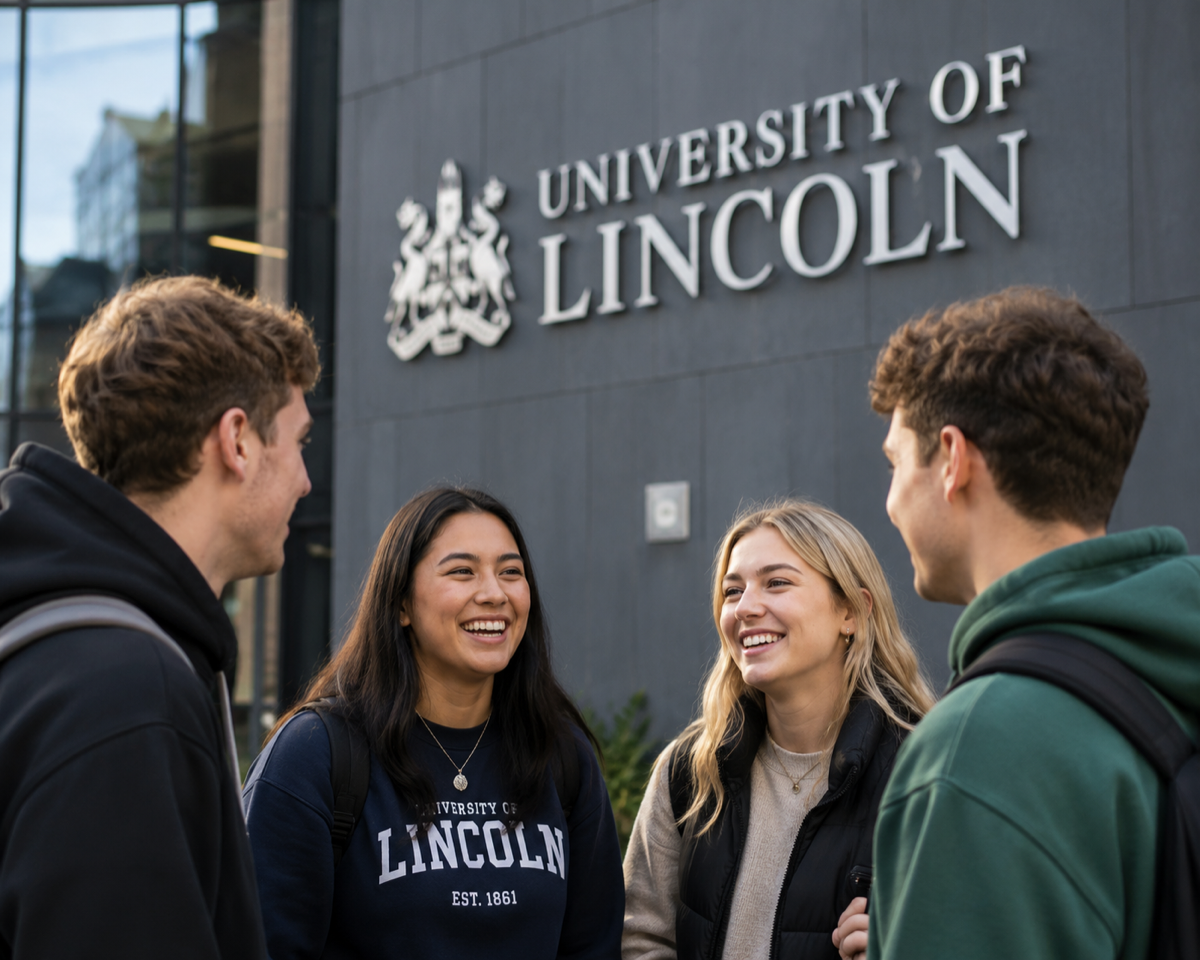
BSc Games Computing with Science Foundation Year
About this course
Games computing brings together the programming skills and systems knowledge of computer science with the specific demands of developing interactive entertainment and simulation software. It is a discipline that takes the technical challenges of real-time rendering, physics simulation, artificial intelligence and network programming and applies them to one of the world's largest and most rapidly evolving creative industries. At the University of Lincoln, this four-year full-time programme includes a science foundation year at the outset, giving you the mathematical and computational grounding needed before the main degree content begins, alongside sandwich, year abroad and work placement opportunities that add professional experience and international breadth to a technically rigorous education. You will study programming across multiple paradigms, game engine architecture, graphics and rendering, AI for games, audio implementation, user interface design and the software engineering practices that support the development of complex interactive systems. The foundation year builds your core skills in mathematics, programming and digital fundamentals, ensuring you can engage confidently with the more advanced content in subsequent years. Lincoln's computing courses have a strong applied orientation, with project work and collaborative development exercises running throughout. A typical entry tariff of around 120 points is expected. Graduates work in the games industry as programmers, technical artists, AI engineers, engine developers and tools engineers, as well as in related sectors including simulation, virtual reality, defence and film visual effects where real-time graphics and interactive systems expertise transfers directly. The broader software engineering skills the degree develops also open doors in technology companies, financial services and the public sector. Many graduates go on to postgraduate study in games development, computer graphics or artificial intelligence, while others move directly into the industry through internships and placements secured during the degree.
Syllabus & Modules
Typical curriculumStudent Satisfaction
National Student Survey - 30 respondents (78% response rate)
Similarly Ranked Alternatives



What comes next? 🎓
Choosing the right university starts with choosing the right school. Explore transparent, data-driven school profiles powered by official DfE statistics.
Explore Schools on WhatSchool.ai →