High Drop-out Rate Alert
20% of students drop out or transfer from this specific course. Consider asking why on an open day.
BA Global Development and World Philosophies
About this course
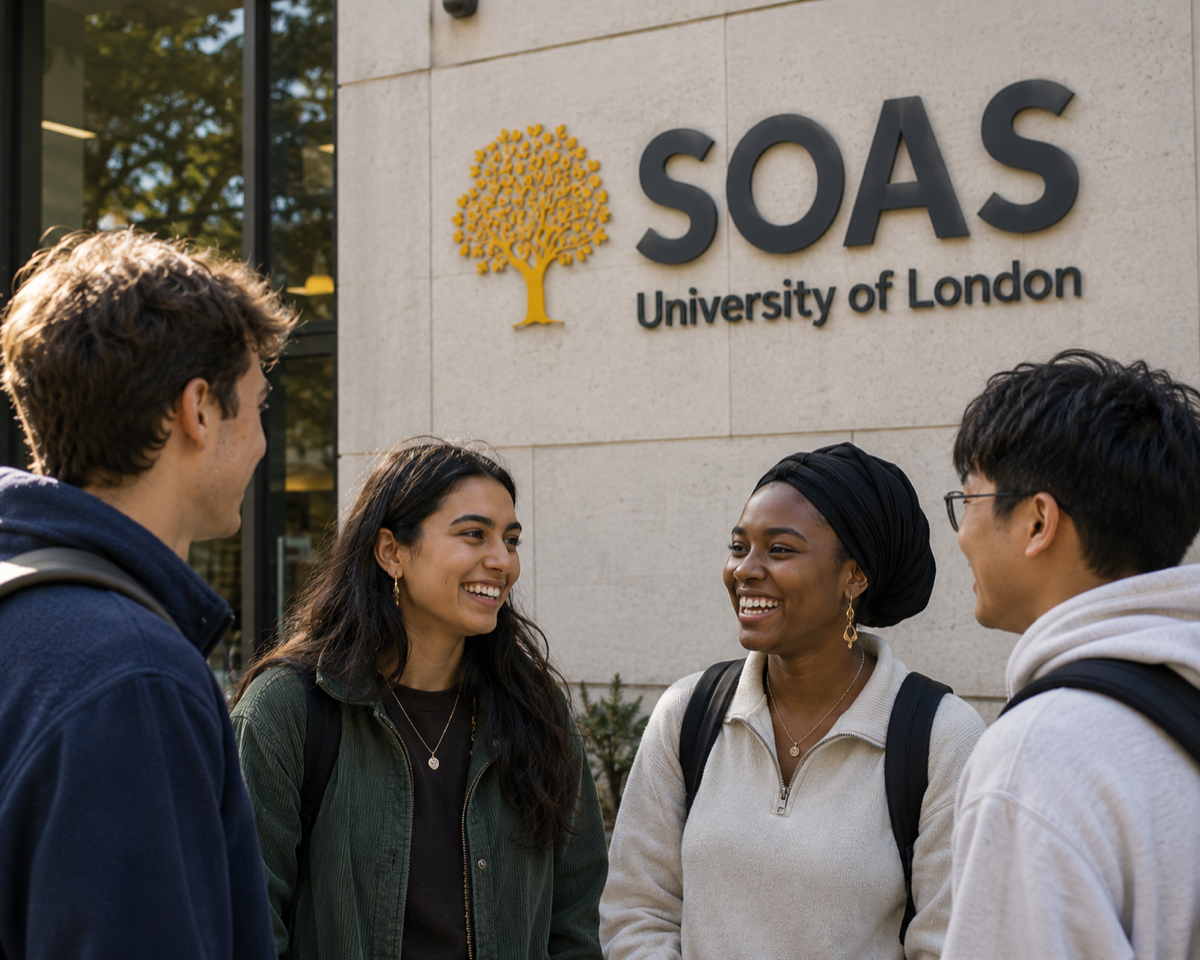
Global development and world philosophies is a programme that takes seriously both the material realities of inequality and underdevelopment and the philosophical traditions that different societies have used to understand justice, ethics and the good life. Development studies examines how and why economic and social conditions differ so dramatically across the world, engaging with theories of growth, aid, trade, governance and sustainability alongside the political and historical forces that have shaped global inequality. World philosophies extends this inquiry into the ethical and intellectual traditions of societies beyond the European mainstream, exploring how different cultural frameworks approach questions of value, knowledge and human flourishing. At the School of Oriental and African Studies (SOAS) in London, this three-year full-time programme with a foundation year option is particularly well placed to offer this combination. SOAS has unrivalled depth in the study of Africa, Asia and the Middle East, and the programme benefits from that expertise, drawing on a breadth of regional knowledge and multilingual scholarly traditions that is unique in the UK. You will engage with the politics and economics of development alongside the philosophical and intellectual traditions that shape how different societies understand and respond to it. The typical entry tariff is 136 UCAS points. Graduates from global development and world philosophies programmes go on to careers in international development organisations, NGOs, government development agencies, the United Nations system, academic research and policy analysis. Many find roles that require both analytical rigour and cultural sensitivity, working at the intersection of policy, practice and theory. Others pursue postgraduate study in development studies, political philosophy, international relations or area studies. The breadth of the intellectual training this programme provides is also valued in journalism, education, public administration and the third sector, where the capacity to think across disciplinary and cultural boundaries is increasingly important.
Syllabus & Modules
Typical curriculumStudent Satisfaction
National Student Survey - 40 respondents (68% response rate)
Similarly Ranked Alternatives
What comes next? 🎓
Choosing the right university starts with choosing the right school. Explore transparent, data-driven school profiles powered by official DfE statistics.
Explore Schools on WhatSchool.ai →