BSc Health and Human Sciences
About this course
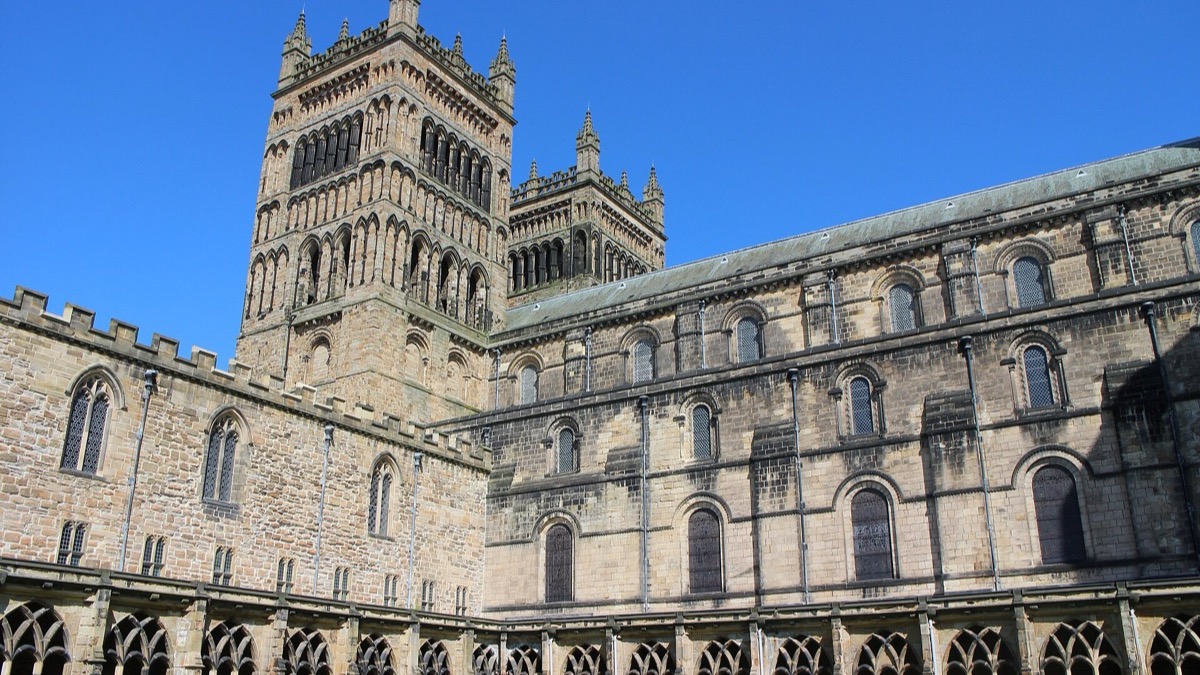
Health and human sciences, approached through the lens of anthropology, offers a genuinely distinctive way of understanding what it means to be healthy, sick or at risk. Rather than focusing on medicine as a purely biomedical enterprise, this discipline brings together biological and social perspectives to ask broader questions: how do genetic inheritance and evolutionary history shape human vulnerability to disease, and how do culture, politics, inequality and environment determine who gets ill, who gets treated, and how? The result is a field that is both scientifically grounded and deeply humanistic. At Durham University, this three-year full-time programme includes a foundation year, a sandwich year in professional placement, a year abroad and a work placement, making it an unusually rich and internationally oriented degree. You will study the anthropology of health, drawing on both social and biological anthropology to examine health through multiple scales of analysis, from the molecular and physiological to the ethnographic and the global. You will engage with topics including human genetics, physiology, health inequalities, ethnographic fieldwork methods, and the social, political and ecological contexts that shape health outcomes. The programme trains you to think across disciplinary boundaries and to interrogate healthcare systems critically, using tools drawn from the life sciences, the social sciences and the humanities. Graduates from health and human sciences are well prepared for careers in global health, public health, health policy, humanitarian work, medical research, science communication and healthcare management. Many pursue postgraduate study in global health, medical anthropology, public health or related fields, and the degree provides a strong foundation for those considering medicine, clinical psychology or other health professions. The combination of biological and social perspectives is increasingly valued in organisations working on health at local, national and international levels.
Syllabus & Modules
Typical curriculumStudent Satisfaction
National Student Survey - 15 respondents (76% response rate)
Similarly Ranked Alternatives
What comes next? 🎓
Choosing the right university starts with choosing the right school. Explore transparent, data-driven school profiles powered by official DfE statistics.
Explore Schools on WhatSchool.ai →