High Drop-out Rate Alert
17% of students drop out or transfer from this specific course. Consider asking why on an open day.
BA History and Economics
About this course
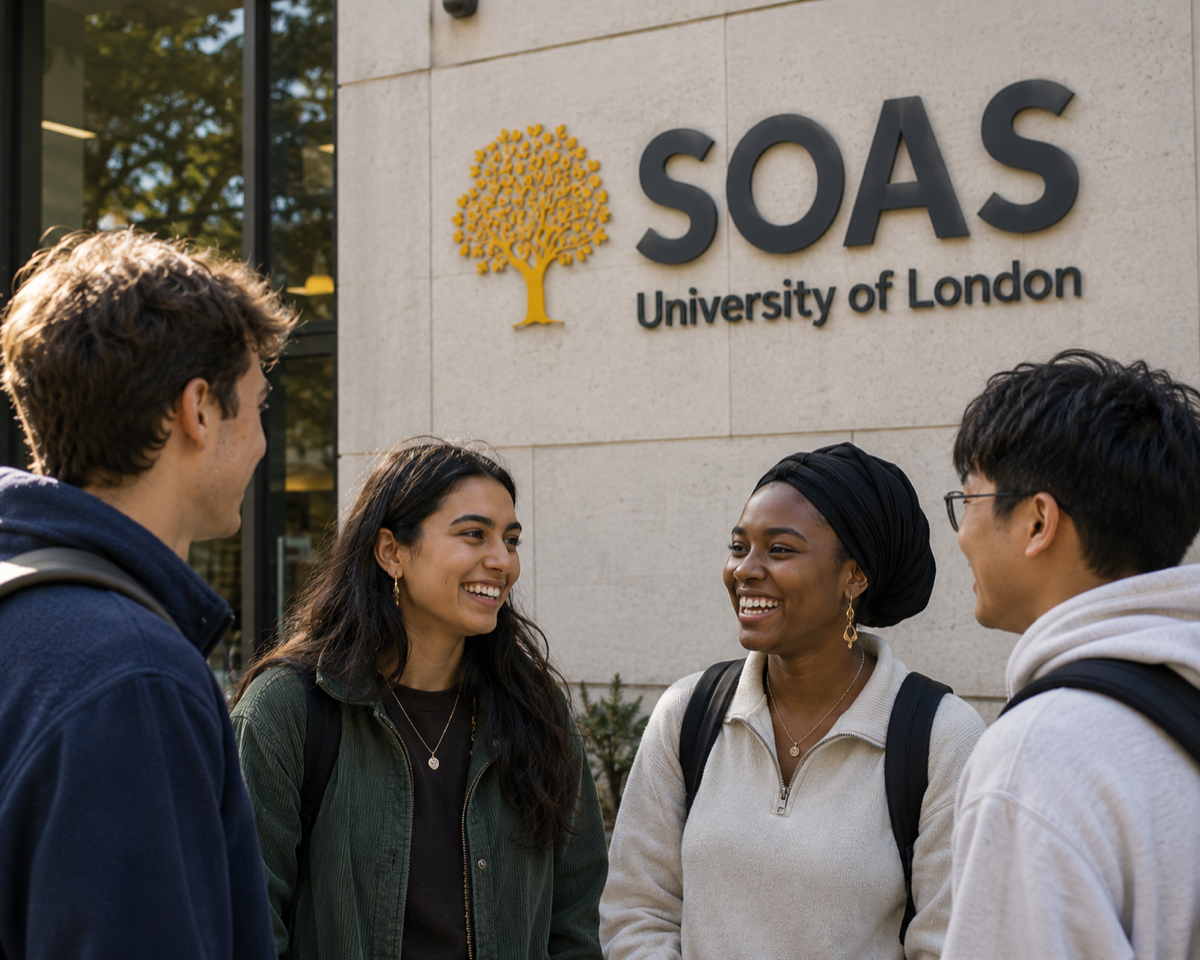
History and Economics together address two of the most important questions a thinking person can ask: how did the world come to be organised as it is, and what forces drive prosperity, inequality, and change? History provides the long view, the context, and the interpretive methods, while Economics offers the theoretical models and quantitative tools to analyse how resources are allocated, how markets behave, and how policy shapes outcomes. The combination is particularly powerful because it prevents each discipline from becoming too abstract. Historians are reminded that economic forces are always present, and economists are reminded that institutions, culture, and contingency matter deeply. At the School of Oriental and African Studies in London, this joint degree takes on a distinctive character shaped by the institution's focus on Africa, Asia, and the Middle East. You will study economic theory and historical method alongside courses that draw on these regions' experiences of colonialism, development, trade, and political transformation. SOAS offers an unusually rich perspective on global economic history, and the programme encourages you to question assumptions about how economies develop and what prosperity means. The degree includes a foundation year, allowing students who need additional preparation in either discipline to build secure foundations before advancing to degree-level work. You will develop skills in economic modelling, quantitative analysis, historical research, and academic writing, becoming comfortable moving between archival sources and economic data. Graduates are well equipped for careers in international development, finance, economic consultancy, policy analysis, the civil service, journalism, NGOs, and international organisations. The degree is also a strong basis for postgraduate study in economic history, development economics, international political economy, or related fields.
Syllabus & Modules
Typical curriculumStudent Satisfaction
National Student Survey - 120 respondents (67% response rate)
Similarly Ranked Alternatives




What comes next? 🎓
Choosing the right university starts with choosing the right school. Explore transparent, data-driven school profiles powered by official DfE statistics.
Explore Schools on WhatSchool.ai →