BA History of Art
About this course
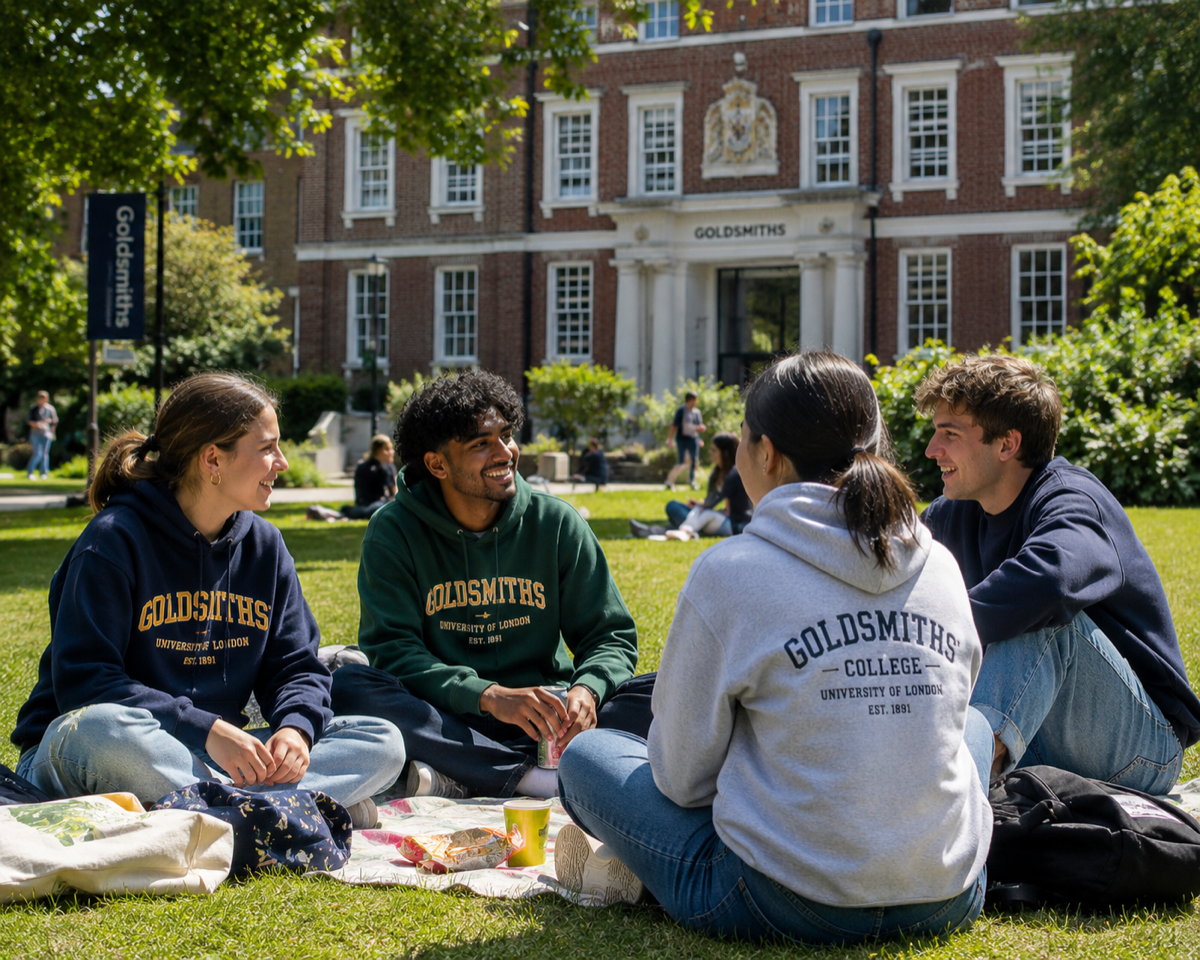
History of art asks how images, objects, and built environments have been made and what they mean. It is a discipline that brings the full range of human creative production into view, from ancient wall paintings and medieval altarpieces to modernist canvases, contemporary installations, and the visual cultures of digital life. Far from being simply about admiring beautiful things, history of art is a critical and analytical discipline: it asks who made things and why, who could see them and under what conditions, and what ideological, social, and cultural work images and objects perform. Goldsmiths' College offers this programme on a part-time basis, which makes it particularly suitable for students who wish to study at an intellectually serious level while maintaining other commitments. Goldsmiths has a distinctive character among London's universities: it has long been associated with an adventurous approach to art, culture, and theory, and the history of art programme reflects that tradition. You will engage with art historical methods and debates, learning to read visual materials with precision and to situate them in their historical, institutional, and cultural contexts. You will encounter a wide range of periods and traditions, while also developing your own critical voice and areas of focus. Theory is taken seriously at Goldsmiths: you will engage with the frameworks, from semiotics and psychoanalysis to postcolonial criticism and feminist art history, that have shaped how we think about images and objects. History of art develops close looking, careful writing, and the ability to construct complex arguments from visual and textual evidence. These are transferable capacities with wide professional applications. Graduates work in museums, galleries, auction houses, arts journalism, curating, arts administration, education, and publishing. Many proceed to postgraduate study in art history, curatorial practice, or visual culture. The degree is also a foundation for careers in the wider creative and cultural industries.
Syllabus & Modules
Typical curriculumStudent Satisfaction
Missing Satisfaction Data
The university has not shared complete student satisfaction records for this specific degree metrics block. You may want to formally explore these topics with the university staff at an open day before committing.
What comes next? 🎓
Choosing the right university starts with choosing the right school. Explore transparent, data-driven school profiles powered by official DfE statistics.
Explore Schools on WhatSchool.ai →