BSc International Political Economy
About this course
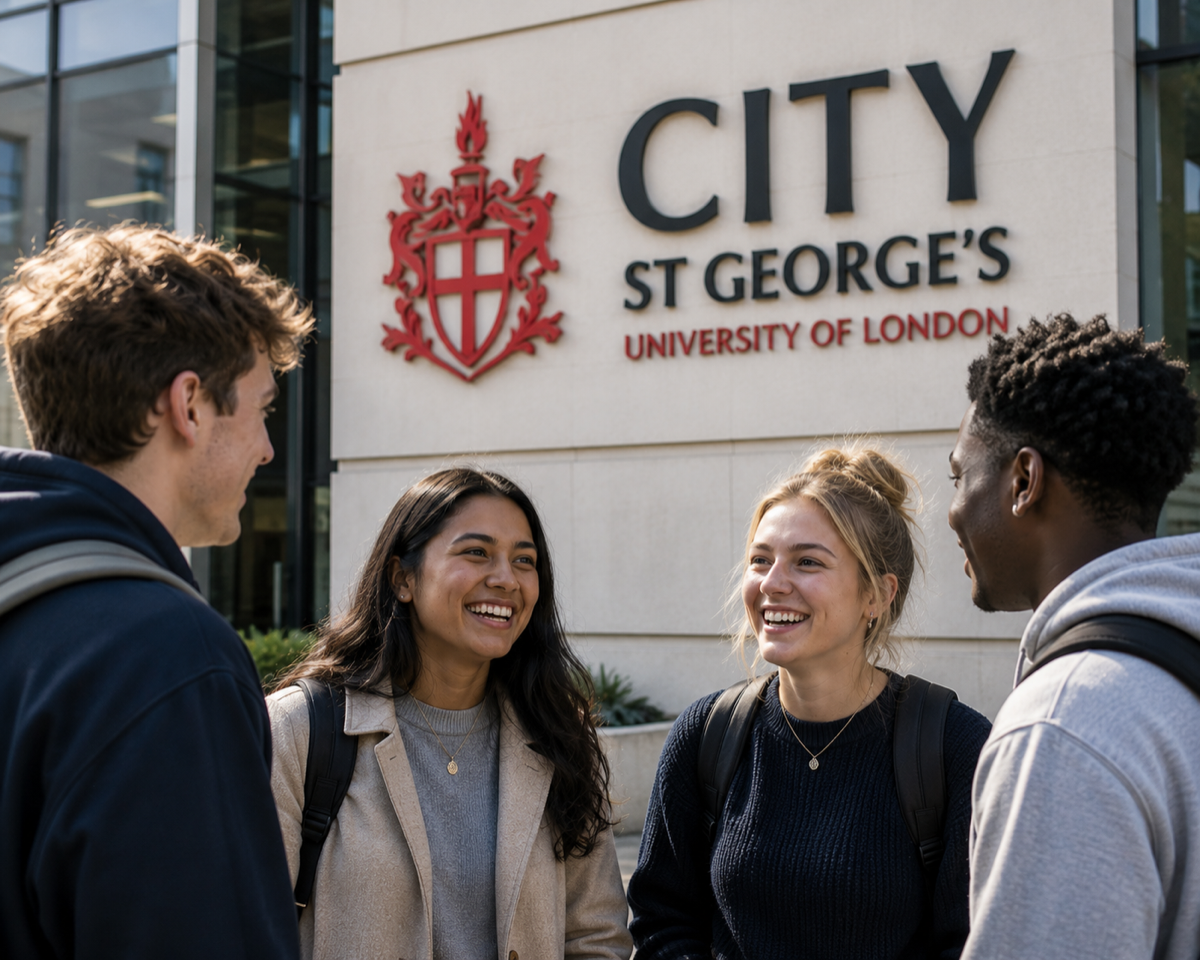
International political economy is the discipline that examines the relationship between politics and economics at the global level. It asks how states and markets interact, how international economic institutions are created and contested, and how the distribution of wealth and power between countries is shaped by both political decisions and market forces. Questions about financial crises, trade regimes, tax havens, foreign investment, development, and climate policy all sit at the intersection of politics and economics, and understanding them requires the analytical tools of both disciplines. At City St George's, University of London, this three-year full-time programme prepares you to engage with these real-world issues through a combination of economic analysis, political theory, and the study of international relations. You will develop the sought-after analytical skills needed to understand how global markets operate and how political decisions at national and international levels shape economic outcomes. The programme includes a sandwich year, a year abroad, and a work placement, giving you substantial professional and international experience before you graduate. The practical dimensions of the degree are designed to prepare you for careers in both the public and private sectors, where the ability to understand and navigate the interaction of politics and economics is increasingly valued. Graduates from international political economy programmes are well placed for careers in international organisations, government and the civil service, financial services, policy research and think tanks, NGOs, international consultancy, journalism, and the diplomatic service. The combination of economic and political analytical skills is particularly valuable in careers that require understanding global systems and the power relationships that shape them. Postgraduate study in international political economy, international relations, development economics, or public policy provides a natural continuation for those who wish to specialise.
Syllabus & Modules
Typical curriculumStudent Satisfaction
National Student Survey - 35 respondents (59% response rate)
Similarly Ranked Alternatives


What comes next? 🎓
Choosing the right university starts with choosing the right school. Explore transparent, data-driven school profiles powered by official DfE statistics.
Explore Schools on WhatSchool.ai →