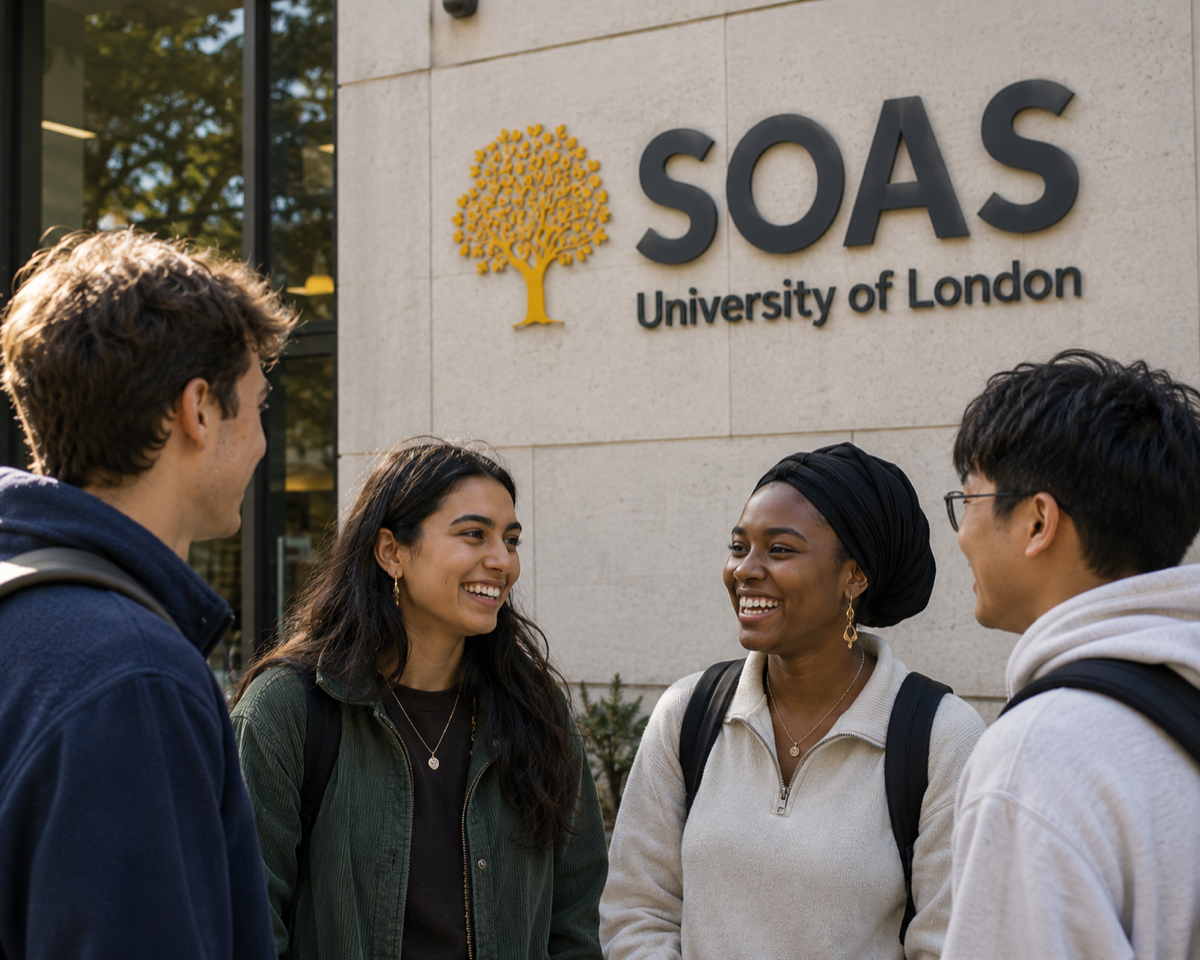
BA International Relations and Chinese
About this course
International relations and Chinese is a combination that places you at the intersection of two of the most important fields for understanding the contemporary world. International relations examines the structures of global governance, the dynamics of power between states, the role of international institutions, and the forces, from trade and diplomacy to conflict and climate change, that shape relations between nations. Chinese, studied at SOAS where expertise in Asian languages and cultures is unmatched in the UK, gives you access to one of the world's most significant civilisations, its language, literature, history, and its growing role in global affairs. This four-year, full-time programme includes a foundation year that builds the linguistic and academic foundations you need before entering the main degree content. You will develop your Mandarin Chinese to a high level, engaging with contemporary and classical texts, while studying international relations theory, foreign policy analysis, global security, international institutions, and the political economy of the international system. The combination is particularly valuable at a moment when China's role in global affairs is central to almost every major international question, from trade and investment to security, technology, and climate governance. Graduates of this combination are well positioned for careers in diplomacy, the foreign service, international organisations, business roles focused on China and East Asia, journalism, policy analysis, and non-governmental organisations working in the Asia-Pacific region. The rare combination of analytical international relations training and fluency in Mandarin is especially sought after in institutions that work across the regions. Further postgraduate study in international relations, Chinese studies, security studies, or international law is a natural path for those who wish to pursue specialist research or high-level professional careers.
Syllabus & Modules
Typical curriculumStudent Satisfaction
National Student Survey - 170 respondents (64% response rate)
Similarly Ranked Alternatives

What comes next? 🎓
Choosing the right university starts with choosing the right school. Explore transparent, data-driven school profiles powered by official DfE statistics.
Explore Schools on WhatSchool.ai →