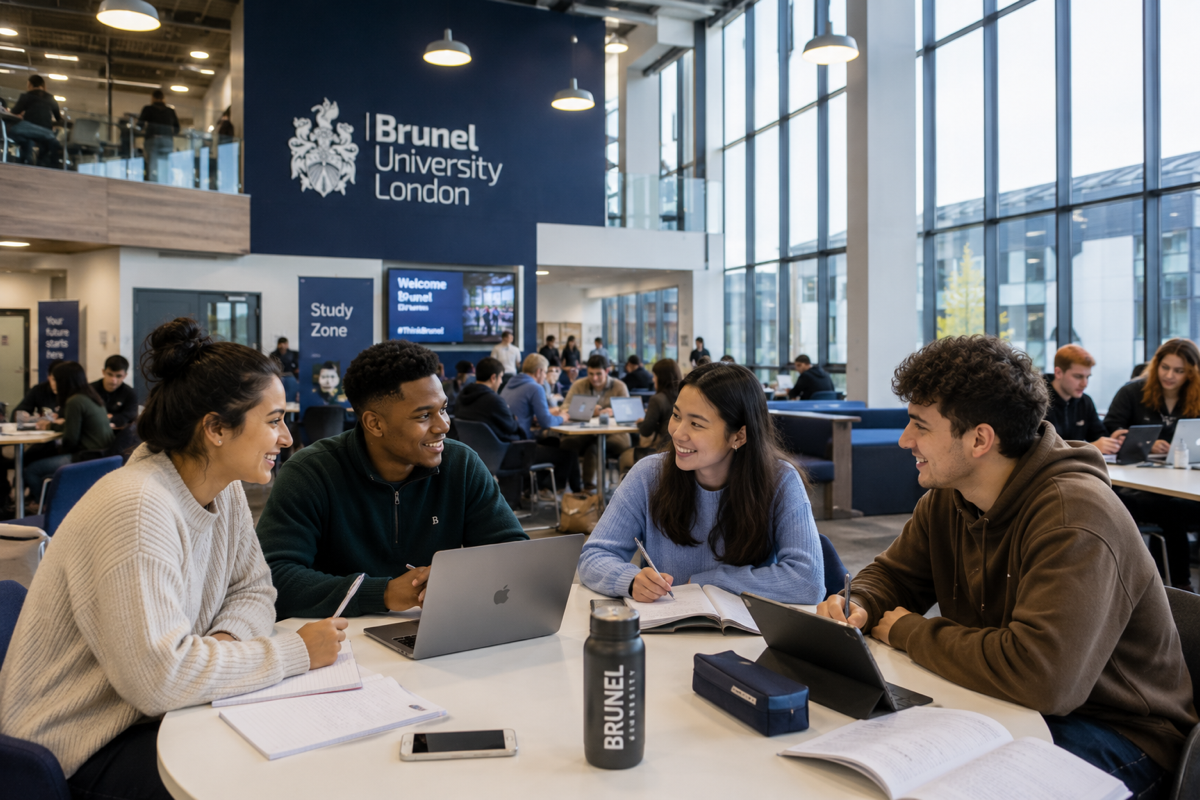
BSc International Relations and History
About this course
International relations and history is a combination that equips you to understand how the world came to be as it is, and to analyse the forces and structures that shape it now. History provides the long perspective, tracing the emergence of the international system, the rise and fall of empires and states, the causes and consequences of wars and revolutions, and the ideological movements that have defined the modern era. International relations provides the theoretical frameworks and contemporary analytical tools to understand how states, international institutions, and other actors interact, compete, and cooperate in the present. At Brunel University London, this three-year full-time BSc gives you the opportunity to engage with both disciplines in a programme designed around the conviction that historical knowledge and contemporary social scientific analysis are mutually reinforcing. You will develop the ability to use cutting-edge methodologies from international relations alongside the deep historical knowledge that gives those methods context and grounding. The curriculum asks you to move between world history and contemporary affairs, developing the analytical skills to interpret complex evidence, construct arguments, and communicate your thinking clearly. Brunel's location in London gives you access to one of the world's most important centres for international affairs, with proximity to global institutions, embassies, think tanks, and media organisations that make the subject matter tangible. The combination of historical depth and contemporary social scientific training produces a genuinely versatile and analytically rigorous qualification. Graduates go on to careers in diplomacy, the foreign service, international organisations, policy research, think tanks, journalism, law, and international business. Many also pursue postgraduate study in international relations, history, security studies, or law, deepening their expertise for careers in academic research or specialist professional roles. The degree is also strong preparation for public sector and civil service careers where understanding of the international context matters.
Syllabus & Modules
Typical curriculumStudent Satisfaction
National Student Survey - 25 respondents (79% response rate)
Similarly Ranked Alternatives
What comes next? 🎓
Choosing the right university starts with choosing the right school. Explore transparent, data-driven school profiles powered by official DfE statistics.
Explore Schools on WhatSchool.ai →