BA Italian and Russian
About this course
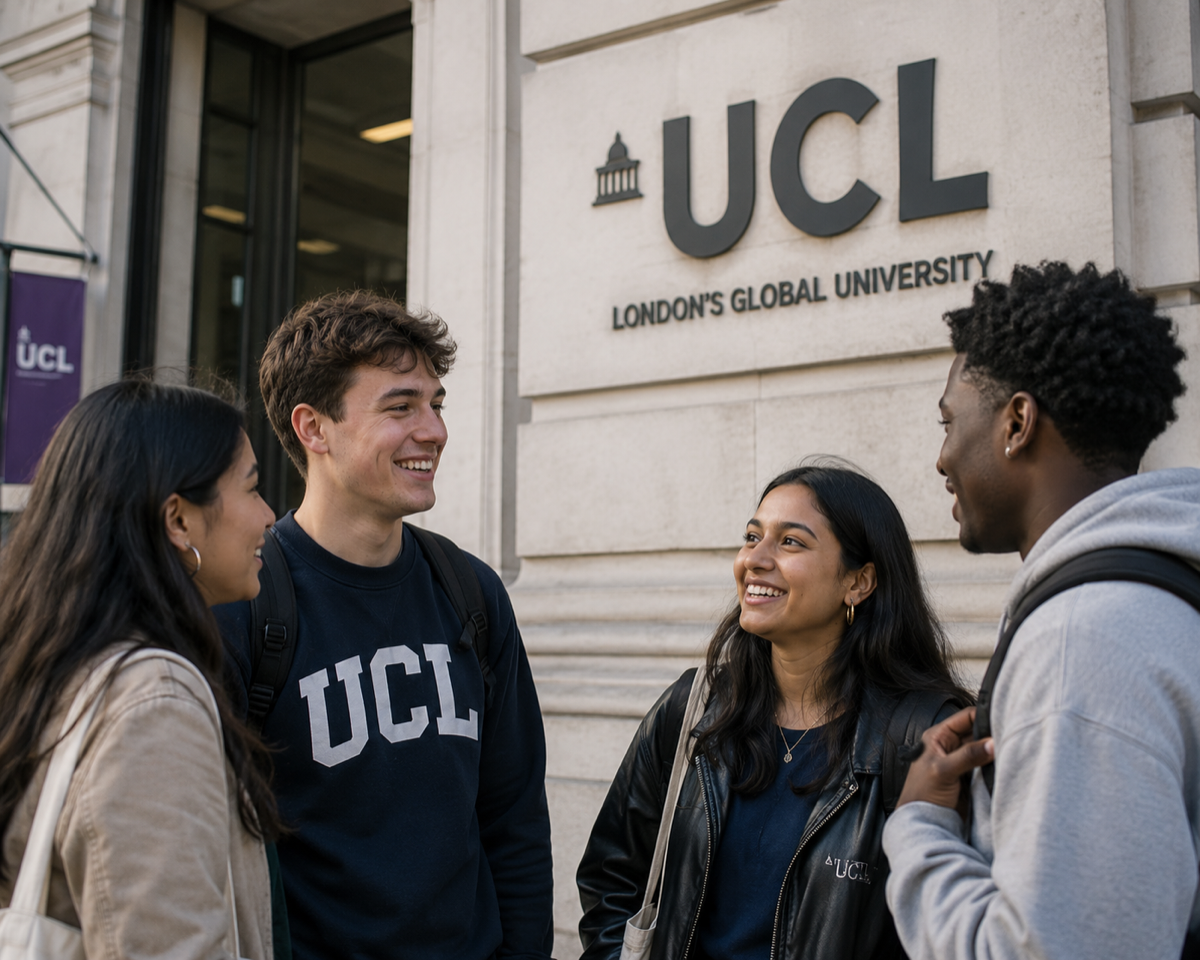
Italian and Russian is a pairing that spans the Mediterranean and the Eurasian landmass, bringing together two rich literary and cultural traditions that have both shaped and been shaped by their distinctive historical circumstances. Italian opens the world of Dante, Petrarch, Boccaccio, and Calvino, of the Renaissance and the modern republic, of one of the most culturally productive nations in European history. Russian opens Tolstoy, Dostoevsky, Chekhov, Bulgakov, and the turbulent political history of the largest country in the world. To study both is to engage with European and post-Soviet culture in unusual depth. At University College London, this four-year, full-time programme is delivered at one of the world's leading universities, with access to exceptional resources in both language teaching and literary and cultural scholarship. You will develop advanced competence in both Italian and Russian, learning to read, write, speak, and understand at a high level, while also engaging critically with literature, film, history, and contemporary culture in each language. UCL's location in London provides additional access to Italian and Russian cultural organisations, and the intellectual environment of the university encourages ambitious and independent thinking. A typical entry tariff of 152 UCAS points reflects the demanding nature of the programme. Combined languages degrees of this kind develop a genuinely rare skill set. You will think across linguistic and cultural boundaries as a matter of habit, developing the flexibility of mind that comes from holding multiple grammars, multiple literary canons, and multiple historical narratives simultaneously. Graduates enter careers in international business, the diplomatic service, translation and interpreting, journalism, education, publishing, the arts, and the law. Fluency in Italian and Russian together is unusual enough to be a genuine professional asset. Many graduates also pursue postgraduate study in Italian studies, Slavonic and East European studies, translation, or international relations.
Syllabus & Modules
Typical curriculumStudent Satisfaction
National Student Survey - 15 respondents (70% response rate)
Similarly Ranked Alternatives



What comes next? 🎓
Choosing the right university starts with choosing the right school. Explore transparent, data-driven school profiles powered by official DfE statistics.
Explore Schools on WhatSchool.ai →