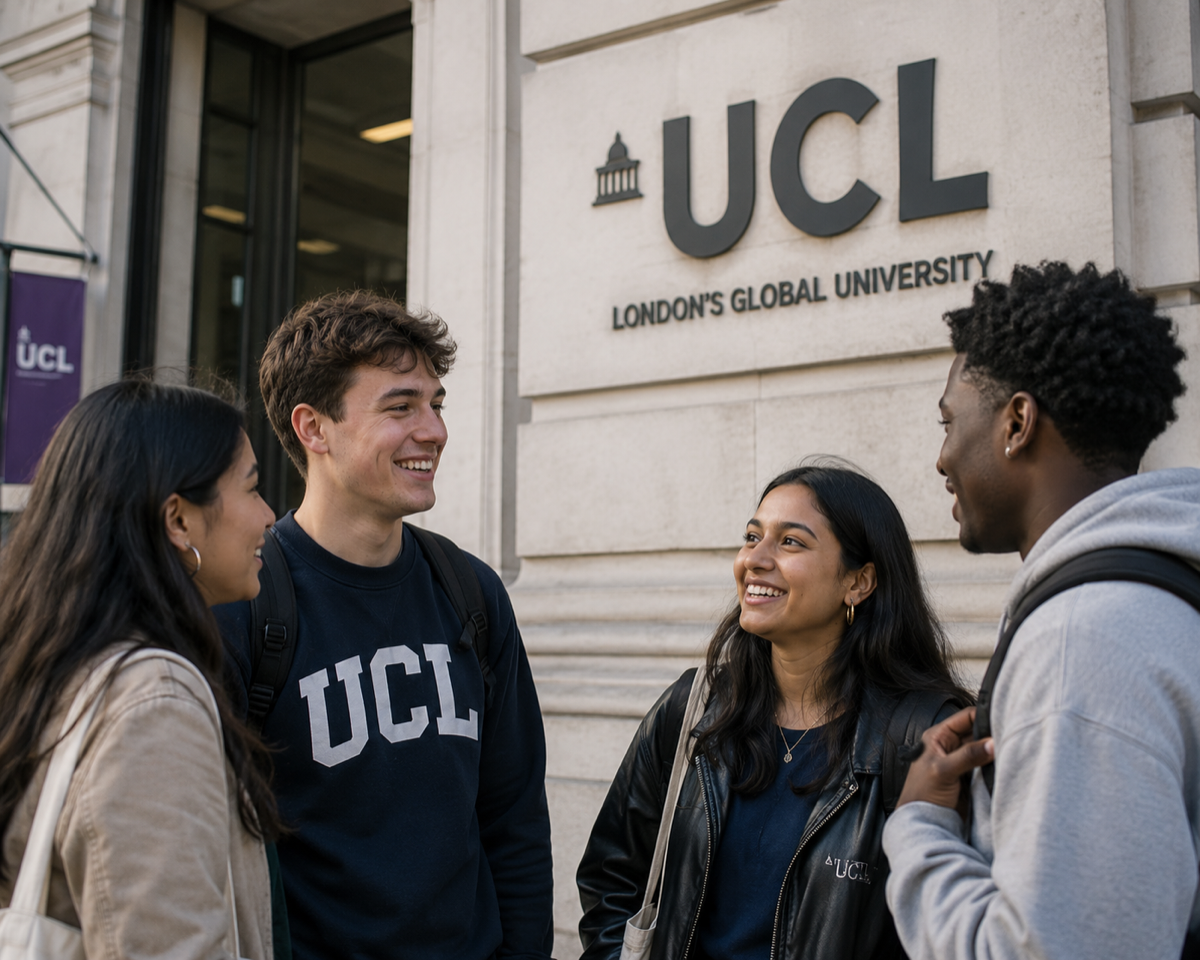
BA Italian and Ukrainian
About this course
Italian and Ukrainian is a rare and compelling combination, bringing together two major European languages from very different traditions. Italian is one of the great literary and cultural languages of Europe, the tongue of Dante, Petrarch, and Machiavelli, of opera and Renaissance art, and today one of the most important languages of commerce, fashion, and design in the European Union. Ukrainian is an East Slavic language with a rich literary and cultural tradition, a language that has come to embody questions of national identity, political sovereignty, and cultural survival in ways that give it distinctive urgency in the contemporary world. At University College London, this four-year full-time degree takes you from initial study through to advanced competence in both languages, developing the linguistic precision, cultural breadth, and analytical depth that UCL's modern languages programmes are known for. You will engage with Italian literature and culture across historical periods, from medieval and Renaissance texts to contemporary fiction and film, and develop an understanding of Ukrainian language, literature, history, and the political and cultural contexts that have shaped the Ukrainian nation from the medieval Kyivan Rus through Soviet rule to independent Ukraine. You will build genuine reading, writing, and oral communication ability in both languages, alongside critical engagement with cultural and historical texts in their original forms. Graduates with Italian and Ukrainian language skills are sought after in diplomatic, academic, and cultural contexts, and in organisations with European or Eastern European engagement. Careers include translation, interpreting, journalism, publishing, heritage organisations, international affairs, business with Italian or Ukrainian connections, and academic research. Many graduates continue to postgraduate study in Italian, Slavonic languages, Ukrainian studies, or related fields, where the combination of languages is a genuine scholarly distinction.
Syllabus & Modules
Typical curriculumStudent Satisfaction
National Student Survey - 15 respondents (70% response rate)
Similarly Ranked Alternatives



What comes next? 🎓
Choosing the right university starts with choosing the right school. Explore transparent, data-driven school profiles powered by official DfE statistics.
Explore Schools on WhatSchool.ai →