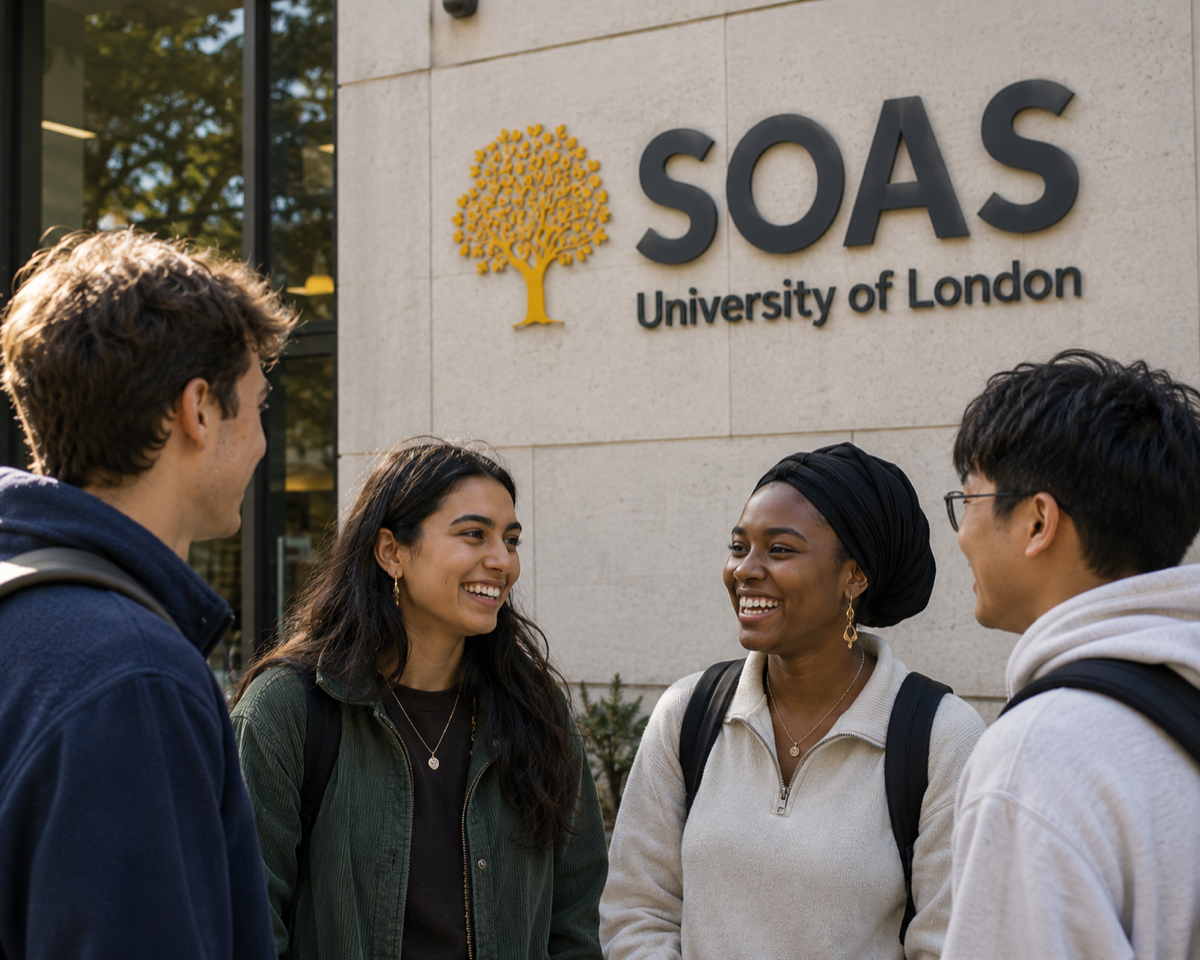
BA Law and Global Development
About this course
Law and global development is a combination that addresses some of the most important and contested questions in contemporary international life: how law shapes and is shaped by economic development, how legal institutions can support or hinder the wellbeing of people in the Global South, and how the legacy of colonialism continues to influence the legal frameworks through which international trade, investment, and aid are governed. Law provides the analytical and doctrinal tools to understand how legal systems work. Global development brings the economic, social, and political perspectives needed to evaluate what law does in the world and who it serves. At the School of Oriental and African Studies, this three-year full-time programme approaches law from a perspective that is rare in UK legal education, one that centres the experiences and perspectives of Africa, Asia, and the Middle East rather than treating them as peripheral to a western norm. SOAS's specialist expertise in development studies, international economics, and the politics of the Global South gives the programme a distinctive character. The degree includes a foundation year for those who need preparation before the main programme begins. The entry requirements for this combination are AAB. You will study core legal subjects alongside development economics, political economy, human rights, and the legal frameworks that govern international trade, investment, and aid. The combination develops the analytical rigour of legal training alongside a critical and empirical understanding of how global economic and political forces shape the conditions in which people live. Graduates go on to careers in international development organisations, human rights law, NGOs, international finance, the civil service, diplomacy, journalism, and academic research. Postgraduate study in law, development studies, or international relations is a natural next step.
Syllabus & Modules
Typical curriculumStudent Satisfaction
National Student Survey - 40 respondents (68% response rate)
Similarly Ranked Alternatives


What comes next? 🎓
Choosing the right university starts with choosing the right school. Explore transparent, data-driven school profiles powered by official DfE statistics.
Explore Schools on WhatSchool.ai →