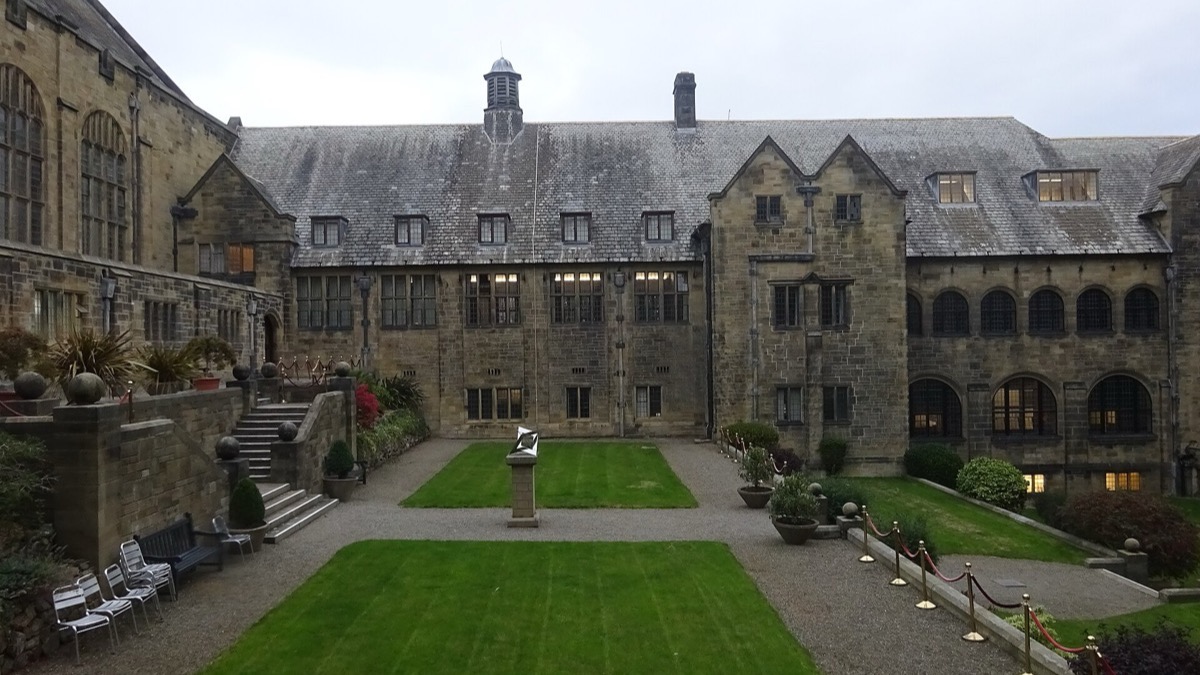
BA Linguistics And Modern Languages
About this course
Linguistics and modern languages is a combination that gives you both a scientific understanding of how language works and practical proficiency in one or more languages other than English. Linguistics is the systematic study of language as a human phenomenon, covering the structures of sound, word, and sentence, the ways language carries meaning, how language is acquired, how it varies across social groups and changes over time, and what the diversity of the world's languages reveals about the range of human cognition. Modern languages complements this with the development of communicative competence in a specific language and an understanding of the culture, literature, and society of the communities that speak it. At Bangor University, this four-year degree includes a foundation year, providing a supported introduction to higher education study and the disciplines before you progress to the main degree programme. The inclusion of a sandwich year in industry and work placement opportunities means that your degree combines academic linguistic and language study with genuine professional experience, allowing you to test your skills in real-world contexts and build the employment record that graduate employers value. Bangor's particular strength in Welsh and Celtic linguistics gives the programme a distinctive character, and the multilingual environment of North Wales provides an unusually rich context in which to study language as a living social phenomenon. Graduates of linguistics and modern languages programmes move into careers in translation and interpreting, language teaching, computational linguistics, speech and language therapy (with additional training), publishing, broadcasting, the civil service, and international business. The scientific training in linguistics opens routes into language technology, natural language processing, and the growing field of computational approaches to language, which is increasingly central to artificial intelligence. The modern language skills add an international dimension that broadens the range of employers and settings in which graduates can work. Postgraduate study in linguistics, translation studies, or a specialist language is a natural next step for those seeking research or advanced professional careers.
Syllabus & Modules
Typical curriculumStudent Satisfaction
National Student Survey - 10 respondents (57% response rate)
Similarly Ranked Alternatives



What comes next? 🎓
Choosing the right university starts with choosing the right school. Explore transparent, data-driven school profiles powered by official DfE statistics.
Explore Schools on WhatSchool.ai →