BA Media
About this course
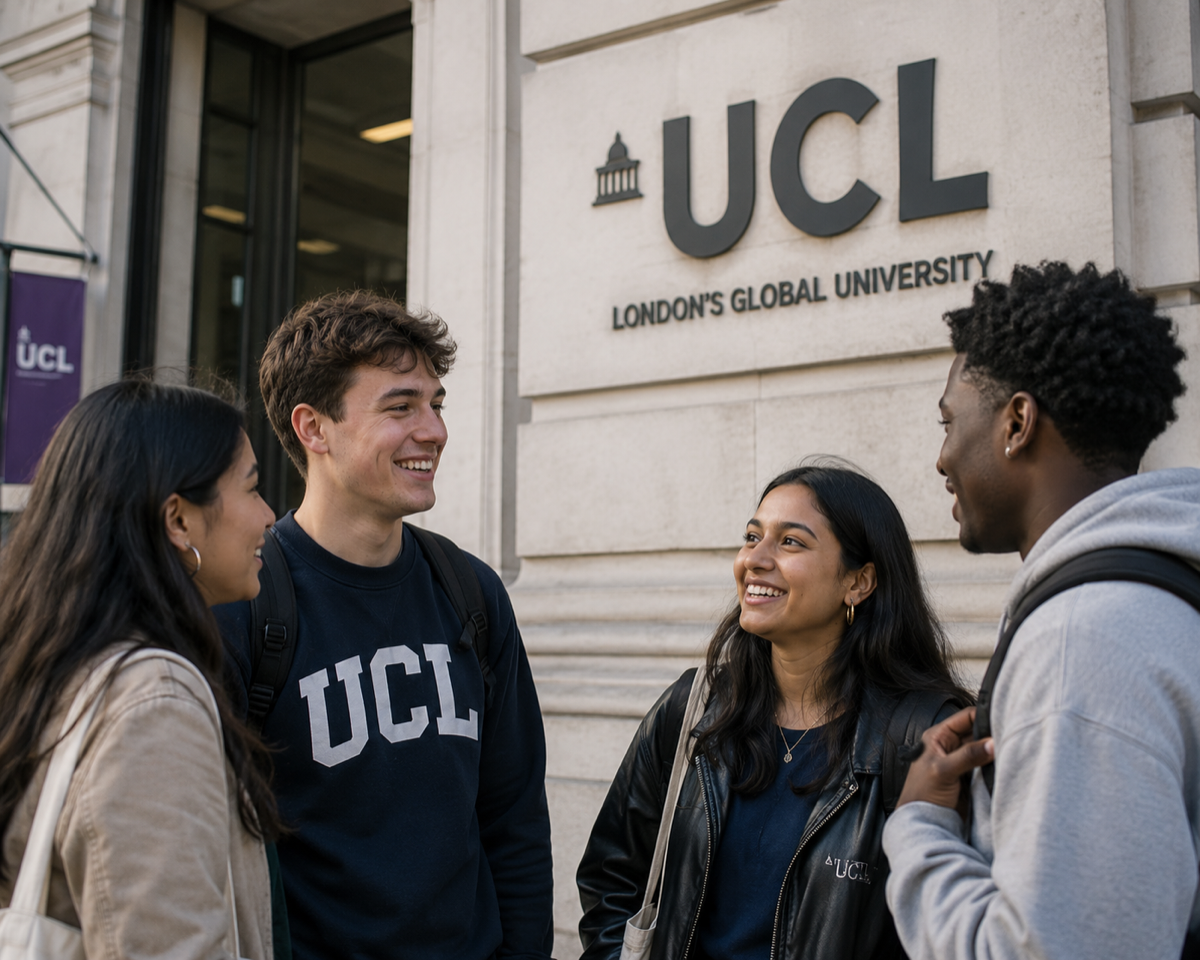
Media studies is the critical examination of the institutions, forms, technologies, and practices through which mass communication takes place. It asks how media systems are organised and funded, what kinds of content they produce and why, how audiences make sense of what they receive, and how media shapes and reflects the cultures in which it operates. It is a discipline that has had to evolve continuously as the media landscape has changed, from the dominance of broadcast television and national newspapers to the fragmentation and proliferation of digital platforms, social media, and algorithmically curated content. University College London's three-year full-time Media programme brings to this field the critical and theoretical rigour that UCL is known for. You will engage with media theory drawing on sociology, cultural studies, political economy, film theory, and communication studies, developing a sophisticated analytical vocabulary for examining how media works at institutional, textual, and audience levels. You will study the history of media, the economics of media industries, questions of representation and power, the regulation and ethics of journalism, and the implications of digital transformation for media production and consumption. UCL's London location gives you direct access to the UK's media industries, which are concentrated in the capital, and to the cultural institutions and public sphere that media helps to constitute. A typical entry tariff of 152 points reflects the programme's academic expectations and UCL's competitive admissions context. You will develop skills in critical analysis, research, and academic writing that transfer readily to careers in and around the media. Graduates pursue careers in journalism, broadcasting, digital media, public relations, communications, policy research, advertising, documentary production, and media regulation. Many also go on to postgraduate study in media, communication, journalism, or related fields. The analytical skills the programme develops are valued in any profession where understanding how communication shapes public opinion and behaviour matters.
Syllabus & Modules
Typical curriculumStudent Satisfaction
National Student Survey - 25 respondents (61% response rate)
What comes next? 🎓
Choosing the right university starts with choosing the right school. Explore transparent, data-driven school profiles powered by official DfE statistics.
Explore Schools on WhatSchool.ai →