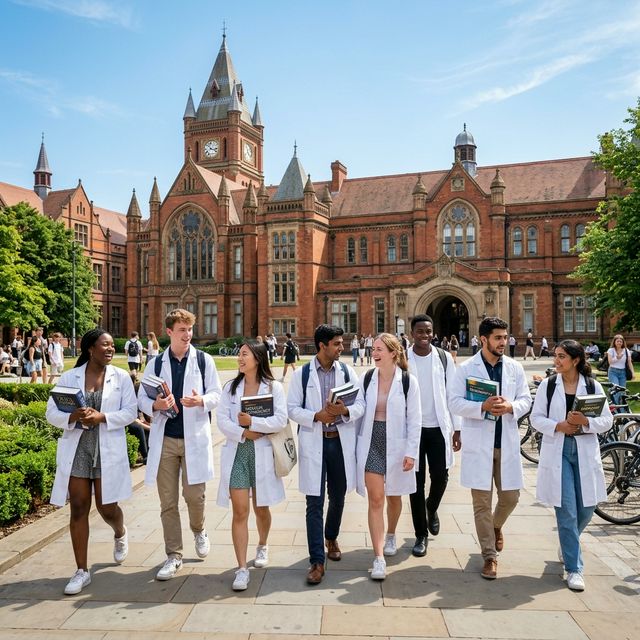
BSc Medical Physiology with Entrepreneurship
About this course
Medical physiology is the scientific study of how the human body works, examining the functions of its organs, systems and cells and the mechanisms through which they maintain health, respond to stress and fail in disease. It encompasses the cardiovascular, respiratory, renal, endocrine, nervous and musculoskeletal systems, and it sits at the foundation of clinical medicine, providing the explanatory framework without which diagnoses and treatments cannot be properly understood. Combining this discipline with entrepreneurship recognises that the future of healthcare depends not just on scientific knowledge but on the ability to translate that knowledge into products, services and organisations that improve patient outcomes. At the University of Manchester this four-year programme includes a foundation year, allowing students who have the potential to succeed in medical physiology but may not meet the standard entry requirements to enter the degree through a structured pathway. Across the full programme you will study physiology in depth, from cellular and molecular mechanisms to integrated system function, developing both theoretical understanding and the practical and analytical skills that physiological research requires. The entrepreneurship strand introduces you to innovation management, business development, intellectual property, healthcare markets and the processes through which scientific discoveries become commercial realities. Manchester's exceptional research environment and its connections with the life sciences and healthcare innovation ecosystem in the North West provide a distinctive context for this combination. Graduates go on to work in biomedical research, the pharmaceutical and medical device industries, healthcare management, clinical research organisations, health technology companies and the NHS. The entrepreneurship dimension opens additional pathways in start-up creation, venture capital and innovation consulting. Many graduates continue to postgraduate study in physiology, biomedical science, business administration or healthcare management. The degree is designed for people who want both scientific depth and the commercial tools to make a difference in healthcare.
Syllabus & Modules
Typical curriculumStudent Satisfaction
National Student Survey - 25 respondents (96% response rate)
Similarly Ranked Alternatives




What comes next? 🎓
Choosing the right university starts with choosing the right school. Explore transparent, data-driven school profiles powered by official DfE statistics.
Explore Schools on WhatSchool.ai →