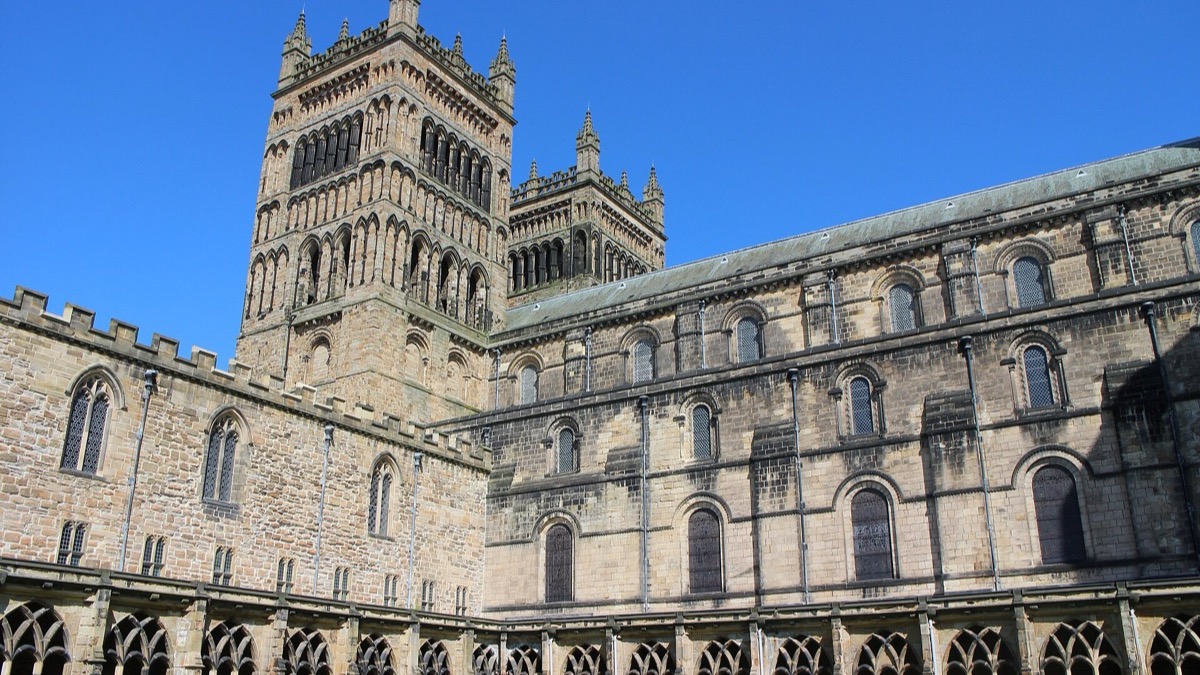
BA Modern Languages and Culture
About this course
Modern languages and culture offers something that the study of any single language cannot: the opportunity to understand how linguistic and cultural difference works across several traditions simultaneously, and to develop the comparative perspective that comes from being able to move between languages and their associated literatures, histories, and ways of thinking about the world. At the University of Durham this four-year full-time programme allows you to combine languages from a rich range of options, studying them alongside the cultural and intellectual traditions they carry. You will develop high-level proficiency in your chosen languages while engaging seriously with literature, film, philosophy, history, and contemporary culture in those linguistic contexts. The programme trains you to read texts closely in the original, to interpret cultural production critically, and to construct arguments that draw on evidence from across languages and periods. Durham's strengths in modern languages sit within a research-intensive university that takes language study seriously both as linguistic practice and as cultural analysis. You will encounter a scholarly community engaged with real debates in the field, and the tutorial and seminar model means close academic supervision and regular feedback on your development as a writer and thinker. The four-year structure gives you time to develop genuine depth and breadth in your chosen languages, and the cultural component of the degree is as substantive as the linguistic. This combination is exactly what many employers in international business, diplomacy, journalism, and the cultural sector are looking for. Graduates go on to careers in diplomacy, international business, translation and interpreting, journalism, publishing, academia, education, the civil service, and arts organisations. Many continue to postgraduate study in modern languages, comparative literature, area studies, or related disciplines, and the combination of linguistic fluency and cultural analytical skills is a strong foundation for many professional paths.
Syllabus & Modules
Typical curriculumStudent Satisfaction
National Student Survey - 110 respondents (66% response rate)
Similarly Ranked Alternatives



What comes next? 🎓
Choosing the right university starts with choosing the right school. Explore transparent, data-driven school profiles powered by official DfE statistics.
Explore Schools on WhatSchool.ai →