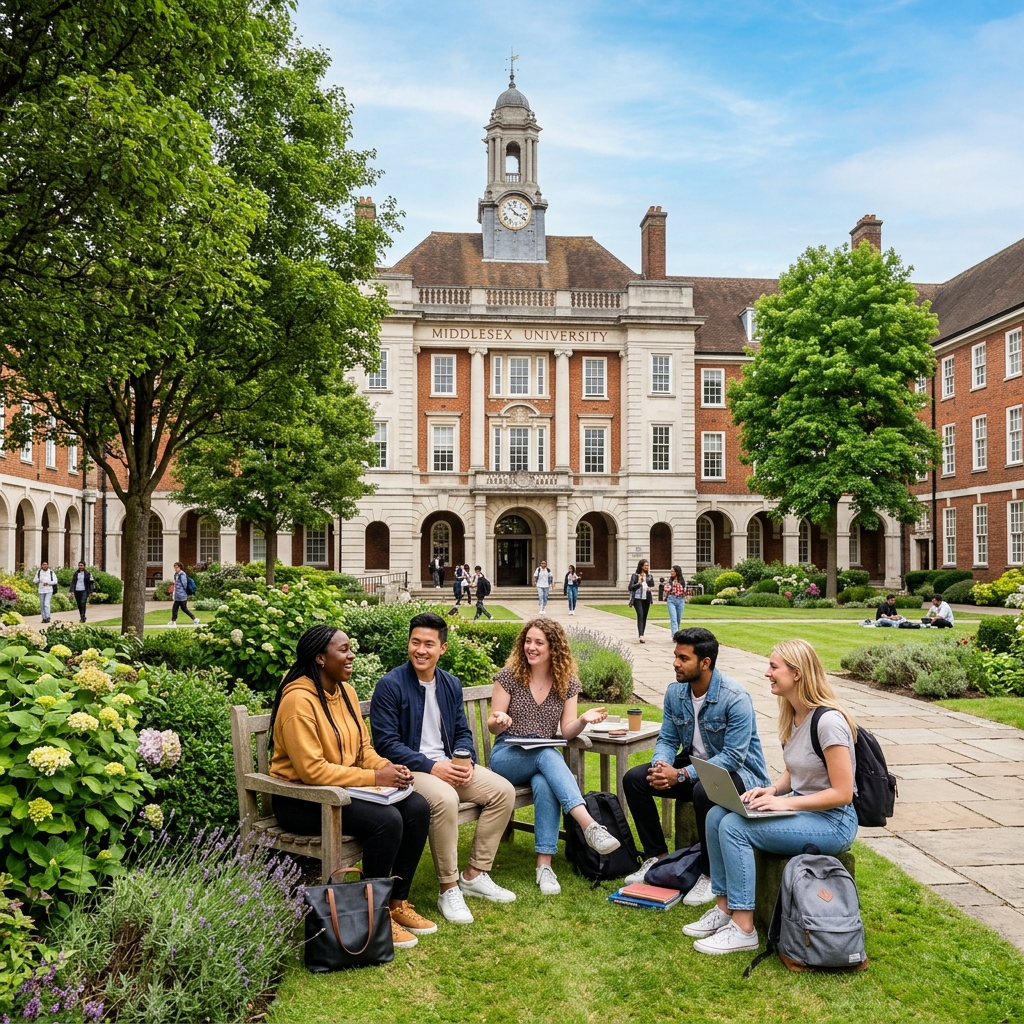
BSc Neuroscience
About this course
Neuroscience is the study of the brain and nervous system, encompassing everything from the molecular mechanisms by which neurons communicate to the neural circuits that underlie perception, memory, emotion, movement and consciousness. It is one of the most rapidly advancing fields in science, driven by new imaging technologies, genetic tools and computational methods that are revealing the structure and function of the nervous system in unprecedented detail. At Middlesex University, this part-time programme includes a foundation year and incorporates both sandwich and work placement opportunities, making it an accessible and practically grounded route into a demanding discipline. You will study neuroanatomy, cell biology, molecular neuroscience, neuropharmacology and the behavioural and clinical dimensions of brain function, working in laboratory settings that develop practical scientific skills alongside theoretical understanding. The programme draws on Middlesex's strengths in bioanalytical science, and the clinical neuroscience component connects your biological learning to the understanding of neurological and psychiatric conditions. The foundation year provides the mathematical and scientific preparation needed before engaging with the full neuroscience curriculum, and the placement gives you experience in a professional research or healthcare setting. The part-time route allows you to combine study with work or other commitments. Graduates pursue careers in biomedical research, the pharmaceutical and neurotechnology industries, clinical research organisations, healthcare and public health. Roles include research assistant, clinical trials associate, biomedical scientist, healthcare practitioner in neurological services and science communicator. The field is expanding rapidly, driven by growing interest in treatments for neurological and psychiatric conditions and by the development of brain-inspired computing technologies. Postgraduate study in neuroscience, pharmacology or clinical psychology is a natural next step for many graduates.
Syllabus & Modules
Typical curriculumStudent Satisfaction
National Student Survey - 15 respondents (74% response rate)
What comes next? 🎓
Choosing the right university starts with choosing the right school. Explore transparent, data-driven school profiles powered by official DfE statistics.
Explore Schools on WhatSchool.ai →