BSc Physics with Philosophy with Science Foundation Year
About this course
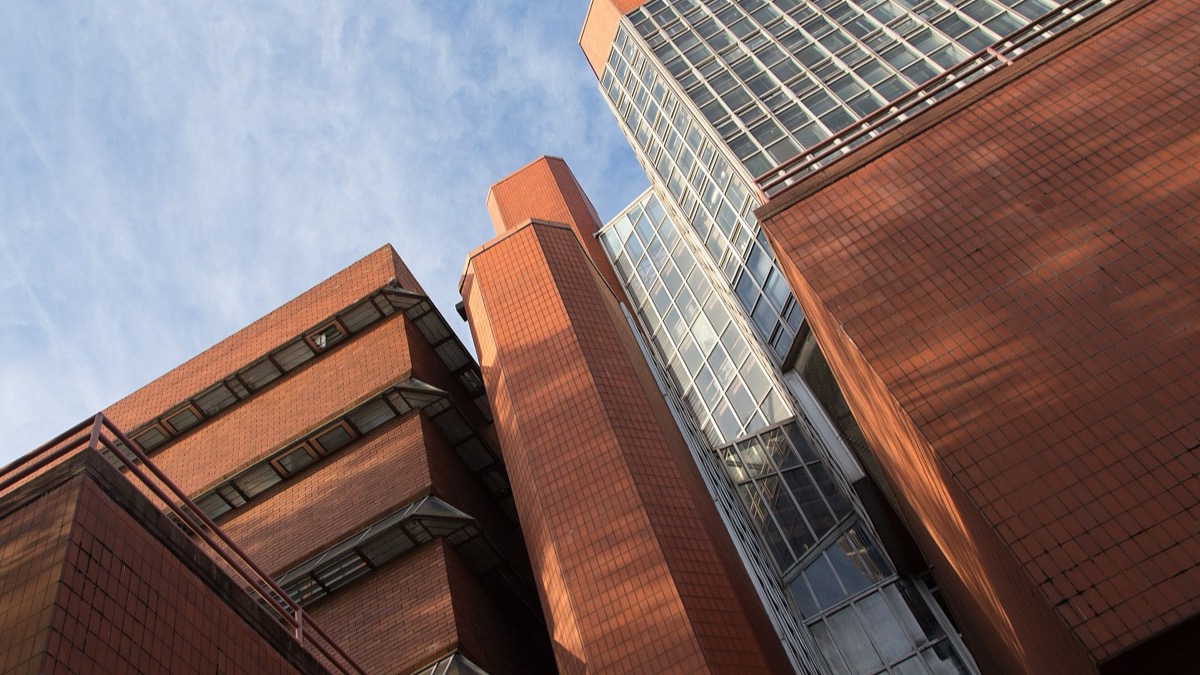
Physics and philosophy might seem an unlikely pairing, but they share a deep concern with the most fundamental questions we can ask about reality. Physics investigates the universe through observation, experiment, and mathematical modelling, uncovering the laws that govern matter, energy, space, and time. Philosophy brings a different kind of rigour, examining the assumptions that underlie scientific practice, the nature of knowledge and explanation, and the conceptual puzzles that arise at the edges of physical theory. Questions about determinism, causation, the nature of time, and the interpretation of quantum mechanics are places where the two disciplines naturally meet and genuinely illuminate each other. At the University of Lincoln, this four-year full-time programme begins with a science foundation year, which gives you a solid grounding in the mathematical and scientific concepts that underpin the physics component of the degree. The School of Engineering and Physical Sciences is housed in purpose-built facilities in the Isaac Newton Building, providing a well-equipped environment for laboratory and computational work. You will study the core areas of physics including mechanics, electromagnetism, thermodynamics, and quantum physics, while alongside this you engage with philosophical traditions from logic and epistemology to the philosophy of science and metaphysics. The programme includes a placement year, which gives you professional experience in a relevant field before you complete your studies. Entry typically requires around 104 tariff points. Graduates of this combined programme go on to a notably broad range of careers. Physics opens doors to roles in scientific research, engineering, computing, data science, finance, and the energy sector. The philosophy component adds skills in argument, conceptual analysis, and ethical reasoning that are valued in law, policy, education, and the public sector. Postgraduate study in physics, philosophy of science, or at the intersection of the two disciplines is a natural route for those who wish to develop their thinking further.
Syllabus & Modules
Typical curriculumStudent Satisfaction
National Student Survey - 15 respondents (80% response rate)
Similarly Ranked Alternatives


What comes next? 🎓
Choosing the right university starts with choosing the right school. Explore transparent, data-driven school profiles powered by official DfE statistics.
Explore Schools on WhatSchool.ai →