MA Politics/Scottish Literature
About this course
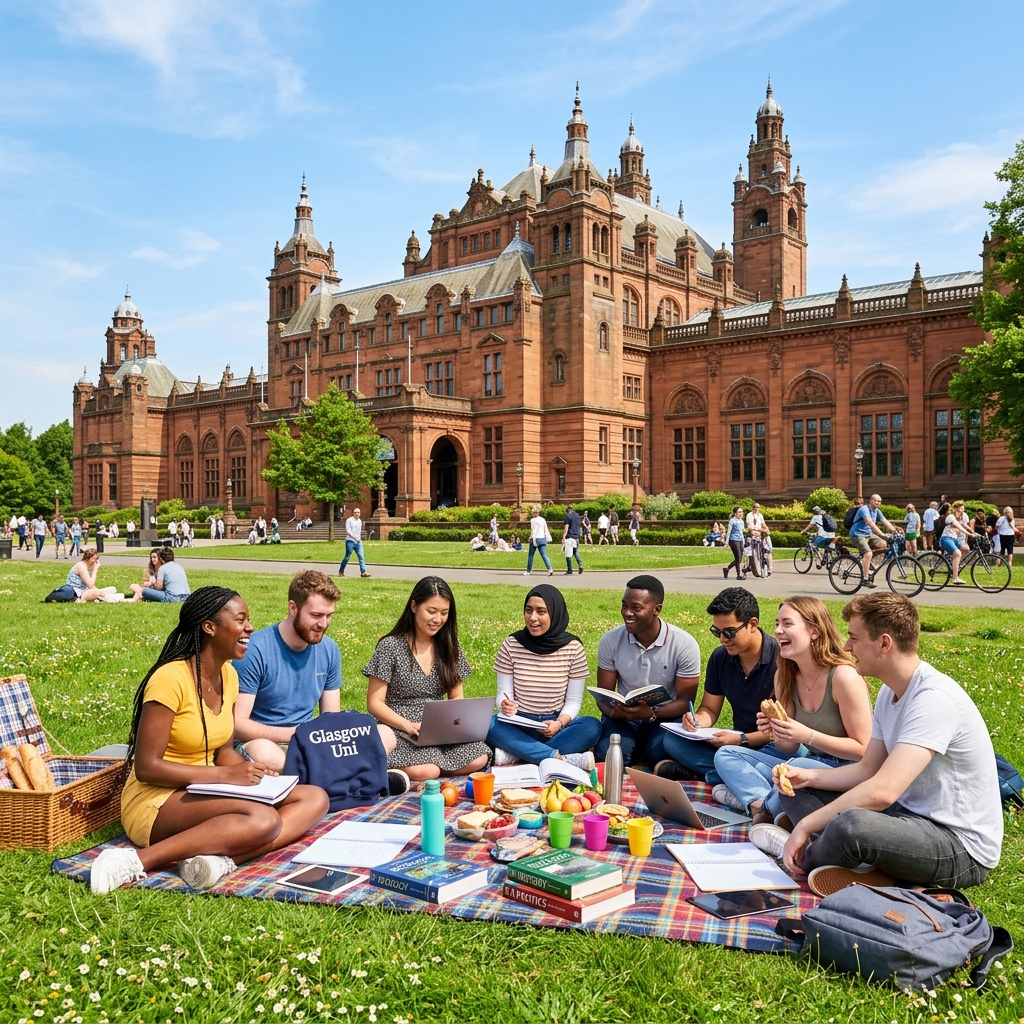
Politics and Scottish literature is a combination that connects the study of how power is organised and exercised with the literary tradition through which Scottish culture has expressed, contested and imagined itself. Politics provides the analytical tools to understand government, ideology, political behaviour and the institutions through which societies make collective decisions. Scottish literature offers something rare: access to a rich and distinct national tradition encompassing poetry, fiction, drama and essay across Scots, Gaelic and English, produced by writers who have engaged intensely with questions of identity, independence, class, land and community. At the University of Glasgow, this four-year full-time programme includes a year abroad and is taught at the only academic unit in the UK exclusively dedicated to the teaching and research of Scottish literature, home to the Centre for Robert Burns Studies. You will study the full range of Scottish literary output from the medieval period to the present alongside the political science of Scottish and comparative politics, constitutional change, nationalism and the institutions of Scottish and UK government. The connections between politics and literature in Scotland are particularly rich, given the ongoing debates about independence, national identity and the political uses of culture. You will develop skills in close reading, literary analysis, political reasoning, research and essay writing across both disciplines. The year abroad provides the opportunity to study literature and politics in a different institutional and national context, which is valuable for comparative understanding. Graduates go on to careers in education, journalism, publishing, broadcasting, the cultural sector, the civil service, politics, policy and research. The combination of literary sensitivity and political understanding is valuable in many fields where communication, critical analysis and an engagement with Scottish culture and governance intersect. Many go on to postgraduate study in Scottish literature, political science, history or cultural policy.
Syllabus & Modules
Typical curriculumStudent Satisfaction
National Student Survey - 200 respondents (66% response rate)
Similarly Ranked Alternatives

What comes next? 🎓
Choosing the right university starts with choosing the right school. Explore transparent, data-driven school profiles powered by official DfE statistics.
Explore Schools on WhatSchool.ai →