MA Portuguese/Scottish Literature
About this course
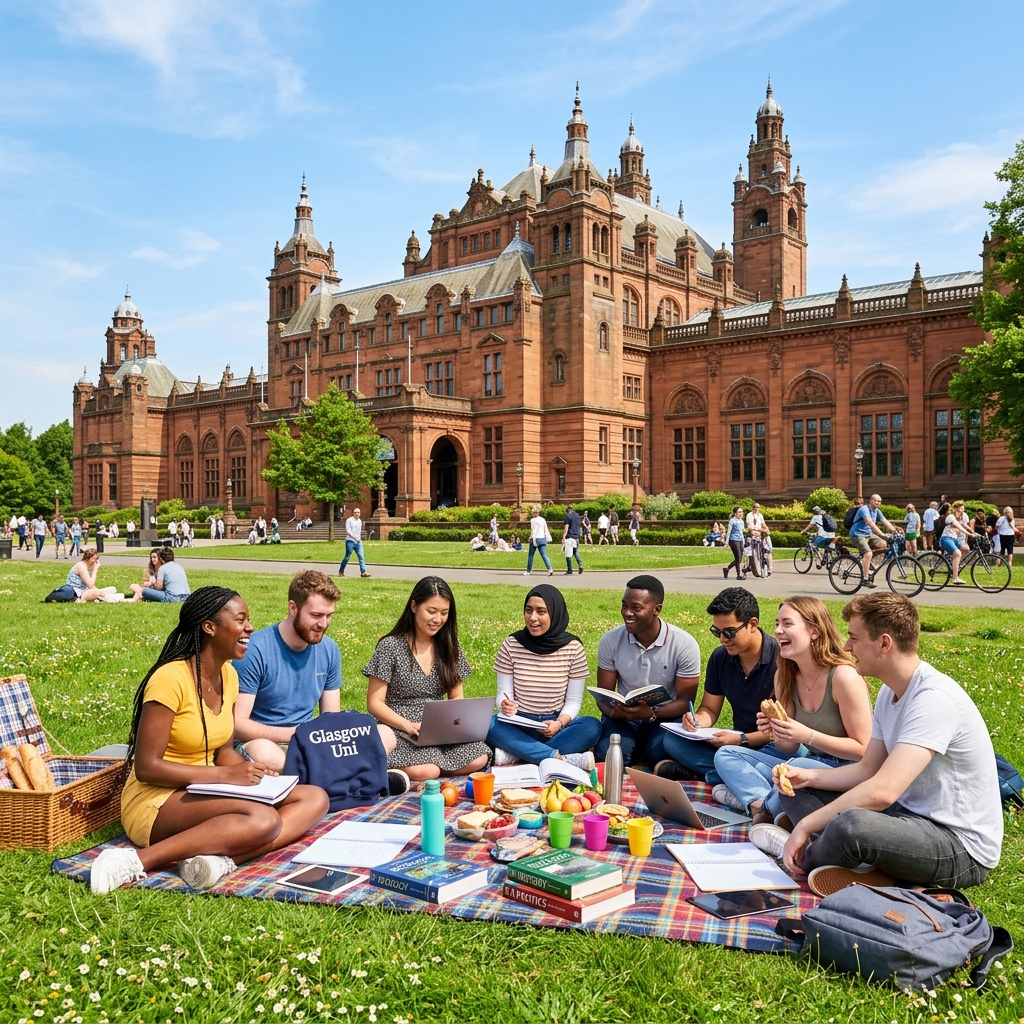
Portuguese and Scottish Literature is a degree that places two rich but often underexplored literary traditions in conversation with each other. Portuguese literature spans centuries of poetry, prose, and drama shaped by Iberian history, Atlantic exploration, and a distinctive melancholic sensibility known as saudade, while Scottish literature encompasses a proud tradition of vernacular writing, lyric poetry, and novels that wrestle with questions of identity, landscape, and nationhood. Together, these traditions offer a genuinely comparative perspective on how language and culture shape one another across very different historical contexts. At the University of Glasgow, you will develop deep reading and critical skills in both literary traditions, engaging with texts in their original languages and in translation. You will explore major writers from each tradition, examining how historical, political, and cultural forces influenced literary form and content. The programme draws on Glasgow's exceptional strength in Scottish literature: the university hosts the only academic unit in the UK exclusively dedicated to the teaching and research of Scottish literature, and is home to the Centre for Robert Burns Studies, which is producing a major new scholarly edition of Burns's works. This institutional depth means you will engage with Scottish texts at the cutting edge of current research. You will also develop the language skills needed to read Portuguese literature in the original, giving you access to a world literary tradition of remarkable breadth and reach. The degree runs over five years and includes a placement year, giving you the opportunity to gain professional experience in a relevant field alongside your academic studies. This structured time in a workplace environment allows you to apply the analytical, communication, and research skills you develop through literary study in a real-world context, and to build connections across the creative, cultural, and heritage sectors. Graduates from this kind of combined humanities degree move into a wide range of careers, including publishing, journalism, education, translation, cultural heritage management, and the civil service. The language skills you acquire open doors to international careers and organisations operating across Lusophone countries. Many graduates also continue to postgraduate research, contributing to the growing scholarship on both traditions.
Syllabus & Modules
Typical curriculumStudent Satisfaction
National Student Survey - 185 respondents (73% response rate)
Similarly Ranked Alternatives

What comes next? 🎓
Choosing the right university starts with choosing the right school. Explore transparent, data-driven school profiles powered by official DfE statistics.
Explore Schools on WhatSchool.ai →