High Drop-out Rate Alert
20% of students drop out or transfer from this specific course. Consider asking why on an open day.
BEd Primary Education with QTS (KS1/KS2, ages 5-11)
About this course
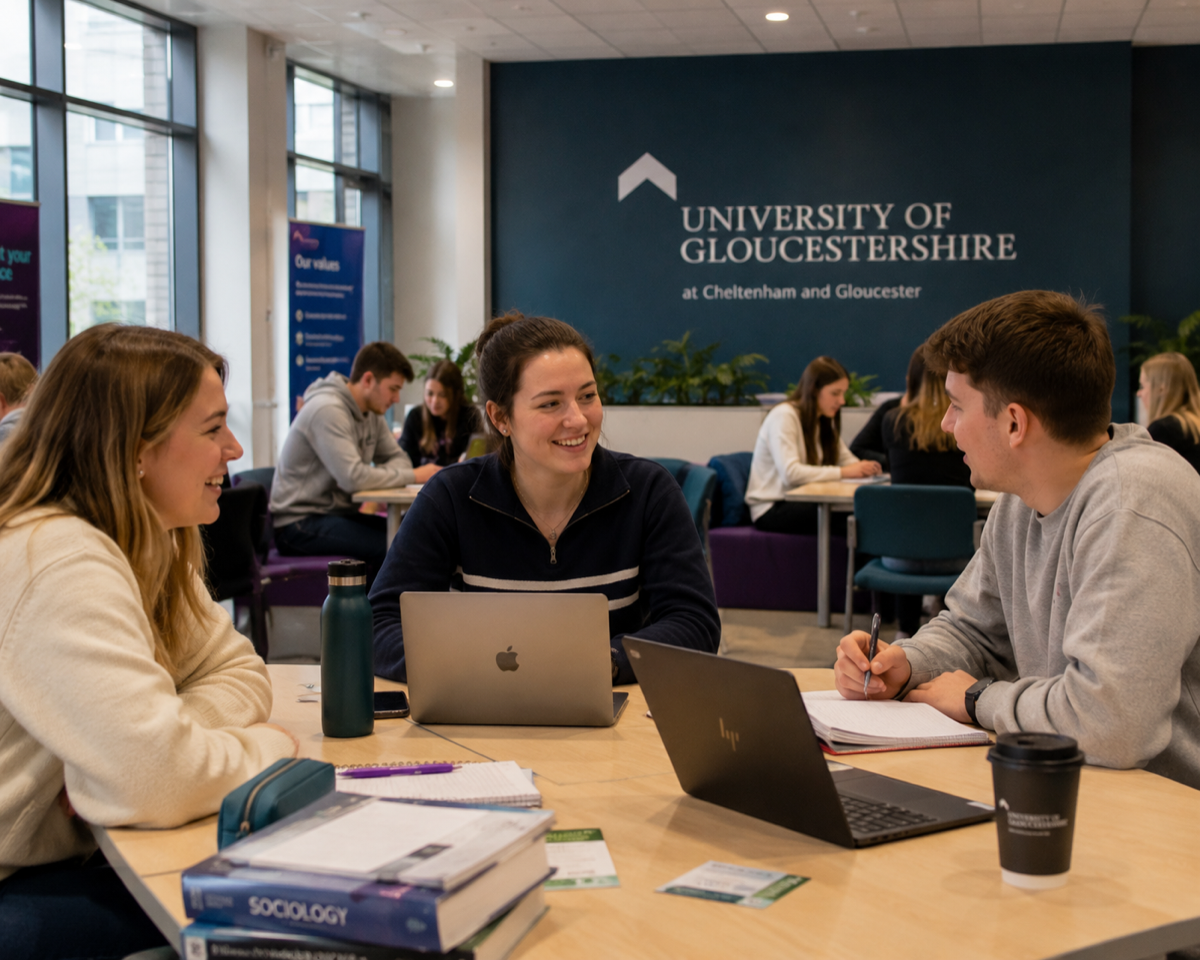
Primary education with qualified teacher status is a professional degree that prepares you to teach children in the five-to-eleven age range, developing the subject knowledge, pedagogical skills, and understanding of child development that effective primary teaching requires. Primary school is where children develop foundational literacy and numeracy, form their attitudes to learning, and encounter the full range of curriculum subjects for the first time. The teachers who work with children at this stage play a profound role in shaping educational outcomes and in supporting social and emotional development. At the University of Gloucestershire, this three-year, full-time degree combines academic study with substantial school-based practice. You will spend approximately eight weeks each year on school experience placements in partnership schools, giving you direct classroom experience from the outset of your studies. This integrated approach means you develop your teaching practice alongside your academic understanding, and you graduate with both a degree and qualified teacher status, enabling you to apply for teaching posts in primary schools in England. Through the academic components, you will study curriculum subjects, including English, mathematics, and science, alongside child development, educational psychology, and pedagogical approaches. The typical entry tariff of 136 points reflects the expectation that students entering a QTS programme bring solid academic preparation. The primary destination for graduates of this programme is employment as a primary school teacher. UK schools are in consistent need of qualified primary teachers, and the combination of a degree and QTS means you graduate ready to enter the profession. Career progression within primary education can lead to subject leadership, special educational needs coordination, assistant headship, and headship. Some graduates also move into educational support roles, early years settings, or further study in education at postgraduate level, for those interested in educational research, leadership, or specialist practice.
Syllabus & Modules
Typical curriculumStudent Satisfaction
National Student Survey - 20 respondents (75% response rate)
Similarly Ranked Alternatives



What comes next? 🎓
Choosing the right university starts with choosing the right school. Explore transparent, data-driven school profiles powered by official DfE statistics.
Explore Schools on WhatSchool.ai →