BA Primary Teaching (QTS)
About this course
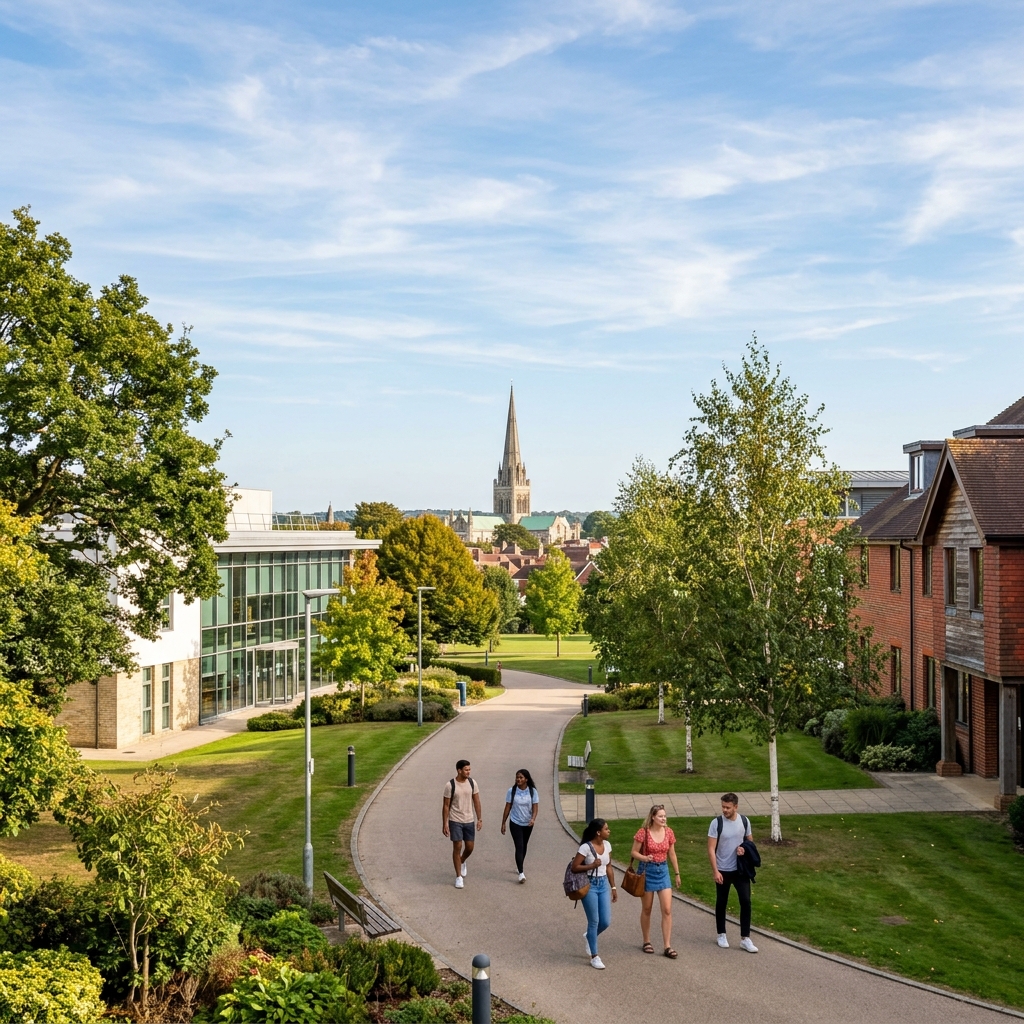
Primary teaching shapes how children develop as learners during some of the most formative years of their education. Teaching the 5 to 11 age range means working across the full primary curriculum, supporting children as they develop literacy, numeracy, scientific curiosity, creative expression, and social skills. It demands a broad intellectual range alongside the ability to understand how children learn, to design engaging learning experiences, and to build relationships that help every child in a class flourish. This three-year full-time programme at the University of Chichester leads to Qualified Teacher Status alongside a BA (Hons) degree, meaning that you qualify as a teacher at the end of your undergraduate study without needing a separate postgraduate training year. You will study the primary curriculum across all its subject areas, develop your understanding of child development, inclusion, and educational psychology, and build the pedagogical skills that effective primary teaching requires. Substantial school placements are central to the programme, placing you in real classroom settings throughout your training and ensuring that your academic learning is grounded in direct practice from early in your degree. With a typical entry tariff of 152 points, the programme is designed for students who are genuinely committed to working with children and to the vocation of teaching. Graduates of this programme qualify to teach in state and independent primary schools across England and, with relevant additional processes, across the rest of the UK and internationally. Newly qualified teachers enter the profession with both a degree and QTS, giving them immediate access to the job market. Primary schools employ teachers across all year groups from Reception to Year 6, with increasing specialisation as teachers develop experience. With time and further development, primary teachers move into subject leadership, special educational needs coordination, pastoral leadership, and school leadership roles including deputy and headship. Some graduates also move into education-related roles in publishing, educational technology, community education, and teacher training itself.
Syllabus & Modules
Typical curriculumStudent Satisfaction
National Student Survey - 45 respondents (79% response rate)
Similarly Ranked Alternatives



What comes next? 🎓
Choosing the right university starts with choosing the right school. Explore transparent, data-driven school profiles powered by official DfE statistics.
Explore Schools on WhatSchool.ai →