High Drop-out Rate Alert
17% of students drop out or transfer from this specific course. Consider asking why on an open day.
BSc Product Design
About this course
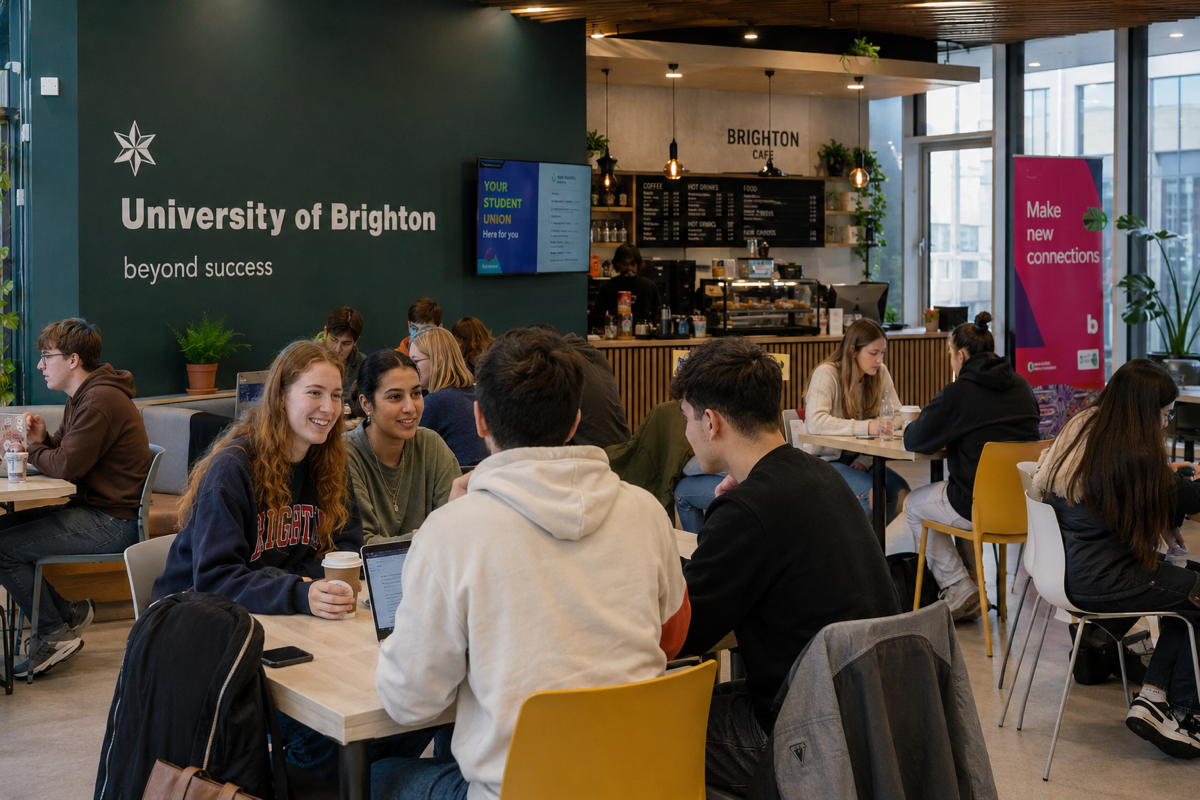
Product design connects analytical thinking with creative making, and it sits at the intersection of engineering, aesthetics, and human behaviour. Designing a product well means understanding how people will use it, what materials and processes will make it possible to manufacture, how it will perform over time, and what its environmental footprint will be. It requires you to move between abstract problem-solving and physical realisation, from sketching and modelling to prototyping and testing, with an eye always on the person who will ultimately live with the result. At the University of Brighton, this three-year, full-time programme includes a foundation year, a sandwich placement year, and work placement experience, giving it a strong practical structure alongside academic content. The foundation year builds the creative and technical foundations you need before entering the main degree, including drawing, model-making, materials knowledge, and design thinking. From the first year of the degree, you will work on projects that develop your ability to research a design problem, generate and test ideas, produce detailed designs for manufacture, and communicate your thinking to others. The curriculum covers human factors and ergonomics, sustainable design, digital design tools, manufacturing processes, and the business context in which design operates. The sandwich year and work placement give you direct professional experience in design practice, which is one of the most effective ways to develop the confidence and judgement that employers value in graduate designers. Brighton's location in a creative and economically diverse city also means good connections to design studios and the creative industries. Graduates work in product and industrial design practices, consumer goods companies, medical device manufacturers, transport design, furniture and interiors, and sustainability consultancy. Some go on to postgraduate study in design, design management, or engineering. Others move into entrepreneurship, user experience design, or innovation consulting.
Syllabus & Modules
Typical curriculumStudent Satisfaction
National Student Survey - 250 respondents (80% response rate)
Similarly Ranked Alternatives
What comes next? 🎓
Choosing the right university starts with choosing the right school. Explore transparent, data-driven school profiles powered by official DfE statistics.
Explore Schools on WhatSchool.ai →