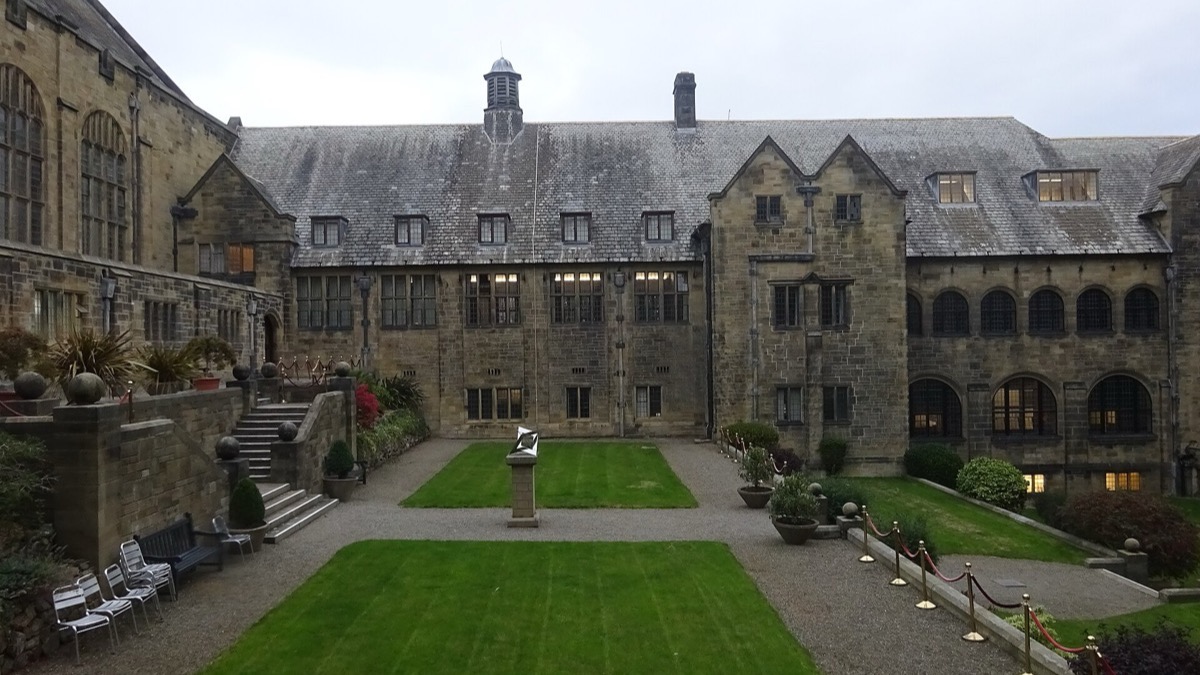
BSc Psychology with Forensic Psychology
About this course
Psychology with forensic psychology is a degree that combines a full scientific education in psychology with a specialist strand focused on the psychological dimensions of crime, the criminal justice system, offender behaviour and rehabilitation. Forensic psychology applies psychological knowledge to legal and criminal contexts, addressing questions about why individuals offend, how offenders can be supported to change, how psychological assessment is used in legal settings, and how the justice system can be made more effective and humane. At Bangor University this programme is rooted in a department with particular research strengths in psychology, including cognitive and neuropsychological research. This programme, which includes a foundation year and a sandwich year, develops your psychological knowledge across the major areas of the discipline, including social, developmental, cognitive and biological psychology, alongside the specialist forensic content. You will study psychological theories of crime and offending, risk assessment, psychological assessment in legal contexts, rehabilitation approaches and the evidence base for what works in reducing reoffending. Work placements, a year abroad and a sandwich year are all built into the programme, providing substantial professional experience and international perspective alongside academic study. The foundation year provides a supported entry into degree-level psychology for those who benefit from additional preparation. Graduates of BPS-accredited psychology programmes hold the Graduate Basis for Chartership, which is the starting point for professional training in forensic, clinical and other applied branches of psychology. Many graduates go on to postgraduate professional training in forensic or clinical psychology, while others move into roles in the criminal justice system, including probation, prison psychology, youth offending services and victim support. Research, policy analysis and roles in organisations working on justice reform are further paths. The combination of psychological rigour and forensic specialisation gives graduates a distinctive and relevant profile for work in criminal justice and mental health contexts.
Syllabus & Modules
Typical curriculumStudent Satisfaction
National Student Survey - 15 respondents (67% response rate)
Similarly Ranked Alternatives



What comes next? 🎓
Choosing the right university starts with choosing the right school. Explore transparent, data-driven school profiles powered by official DfE statistics.
Explore Schools on WhatSchool.ai →