MA Psychology/Scottish History
About this course
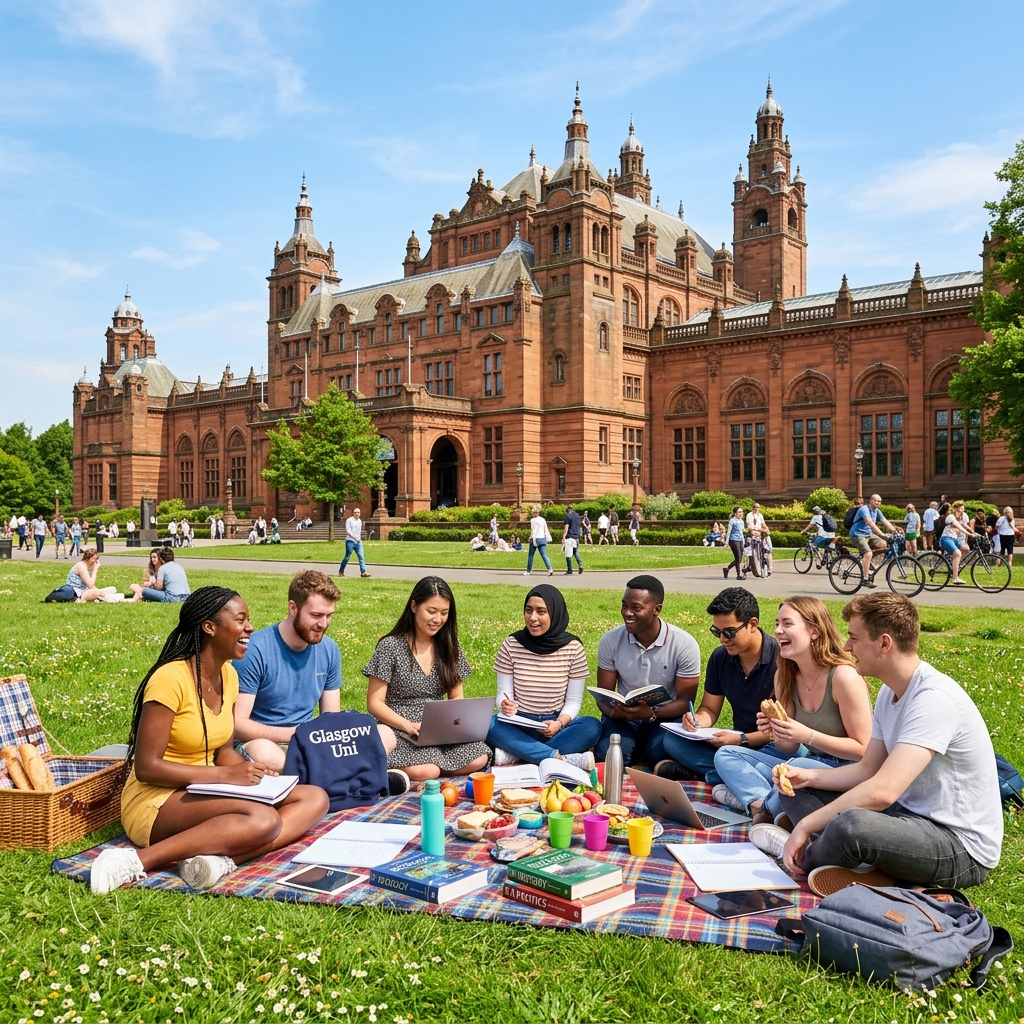
Psychology and Scottish history is a genuinely unusual combination, pairing the scientific study of the mind and behaviour with the deeply contextualised study of a nation's past. Psychology is the systematic investigation of how people think, act, react and interact, drawing on experimental methods, cognitive science, developmental psychology and social psychology to build an understanding of human behaviour and mental processes. It also addresses how that understanding can be applied to help individuals and to tackle wider societal issues. Scottish history, meanwhile, explores the political, cultural, religious and social development of Scotland from the medieval period through to the modern era, engaging with questions of identity, power and change that have both local depth and broader significance. At the University of Glasgow, this four-year full-time programme includes a year abroad and carries a typical entry tariff of 216 UCAS points. You will develop rigorous scientific skills through the psychology component, including research design, statistical analysis and the evaluation of evidence, while also developing the close reading, archival research and interpretive skills central to historical study. The programme reflects Glasgow's strength in both disciplines. The combination opens a range of career paths. Psychology graduates who complete a British Psychological Society-accredited programme build the foundation for routes into clinical, educational, forensic or occupational psychology through postgraduate training. The historical and analytical training also prepares graduates for careers in education, heritage, public policy, social research, counselling and a range of public sector and third-sector roles. Many graduates pursue postgraduate study in psychology or history, and some combine both strands in research focused on areas such as the history of psychiatry, mental health policy or oral history. The dual set of analytical skills that the combination develops makes for a graduate profile that employers across many sectors find genuinely distinctive.
Syllabus & Modules
Typical curriculumStudent Satisfaction
National Student Survey - 135 respondents (76% response rate)
Similarly Ranked Alternatives
What comes next? 🎓
Choosing the right university starts with choosing the right school. Explore transparent, data-driven school profiles powered by official DfE statistics.
Explore Schools on WhatSchool.ai →