
High Drop-out Rate Alert
25% of students drop out or transfer from this specific course. Consider asking why on an open day.
BSc Software Engineering
About this course
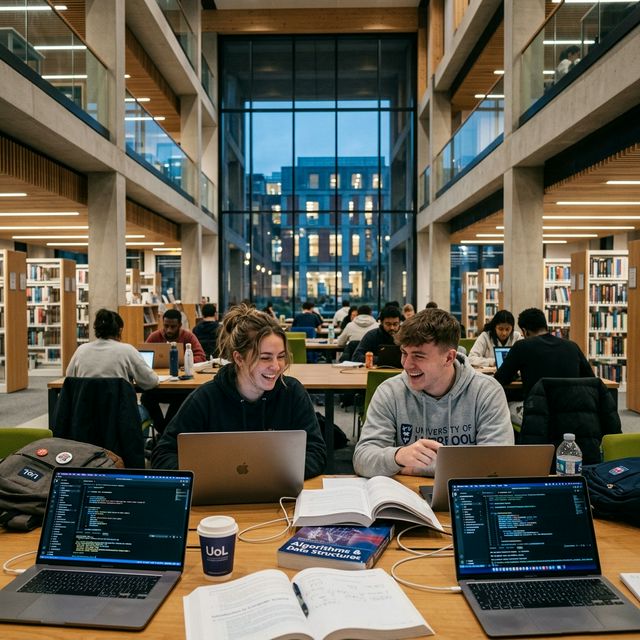
Software engineering is the discipline of designing, building and maintaining the complex systems that underpin modern life. Unlike computer science, which is primarily concerned with computation as a theoretical discipline, software engineering focuses on the professional practice of producing software: the processes, methods, tools and ways of working that allow teams to create systems that are reliable, maintainable, secure and fit for purpose at scale. It combines formal understanding of programming and systems with the practical judgment that only comes from working on real problems in realistic conditions. At the University of Salford, this three-year full-time degree gives you a strong grounding in the core principles of software development, including algorithms and data structures, systems design, software testing, version control, agile methods and software architecture. You will work extensively with contemporary languages, tools and development environments, building the practical fluency that employers need from day one of a graduate role. The programme includes a sandwich year and work placement opportunities, giving you the chance to spend a substantial period working in industry as part of your studies. This is one of the most valuable aspects of the degree: engineering is learned partly by doing, and working inside a real software team teaches you things about professional practice that no classroom can fully replicate. Typical entry is around 120 UCAS tariff points. Graduates from software engineering programmes are in consistently high demand. Roles span software development, systems architecture, test engineering, DevOps, cloud engineering, cybersecurity and technical project management across virtually every industry sector. Many graduates move into technology companies, financial services, healthcare, media and public sector digital services. The combination of technical depth, professional experience from the placement year and an understanding of engineering processes as well as code makes software engineering graduates particularly ready for the workplace. Further study includes conversion masters, specialist postgraduate degrees and research routes in computer science or related fields.
Syllabus & Modules
Typical curriculumStudent Satisfaction
National Student Survey - 30 respondents (77% response rate)
Similarly Ranked Alternatives
What comes next? 🎓
Choosing the right university starts with choosing the right school. Explore transparent, data-driven school profiles powered by official DfE statistics.
Explore Schools on WhatSchool.ai →